Archive | Recipes RSS feed for this section

Inspired Spiral: Swiss Roll

6 Sep

It will come as no shock to anyone that I am a fan of the Great British Bake Off. Almost every episode, I am inspired by at least one of the challenges or history lessons presented. Recently, I’ve been watching old episodes and gathering creativity from them. In one of the episodes I came across, the contestants made Swiss Rolls, often referred to in the States as Jelly Rolls. These consist of sponge cake topped with a cream filling which is then rolled up into a beautiful spiral.

The challenge has its perils. If the sponge is not rolled at the right time, it can crack or break. If the filling is too soft, it will squeeze out the sides, if the sponge is too warm when the filling is added it can melt, and if the cake is not rolled tightly enough from the start, it will simply fall apart when cut.

By now you might be thinking, “NOPE,” or “Why would anyone want to do this?” Well for starters, sheer curiosity, and secondly the internet is FULL of people sharing techniques to avoid these pitfalls. By the time I was finished with my Swiss Roll, I didn’t feel stressed and I had a delicious and oh so light cake to share with Joe. Now, I’m not under a time crunch or fearing pressure from distinguished judges, and neither are you, so remember this is all just fun at the end of the day.

Let’s roll!

Strawberry Swiss Roll

Cake:

  • 4 eggs
  • 1 egg yolk
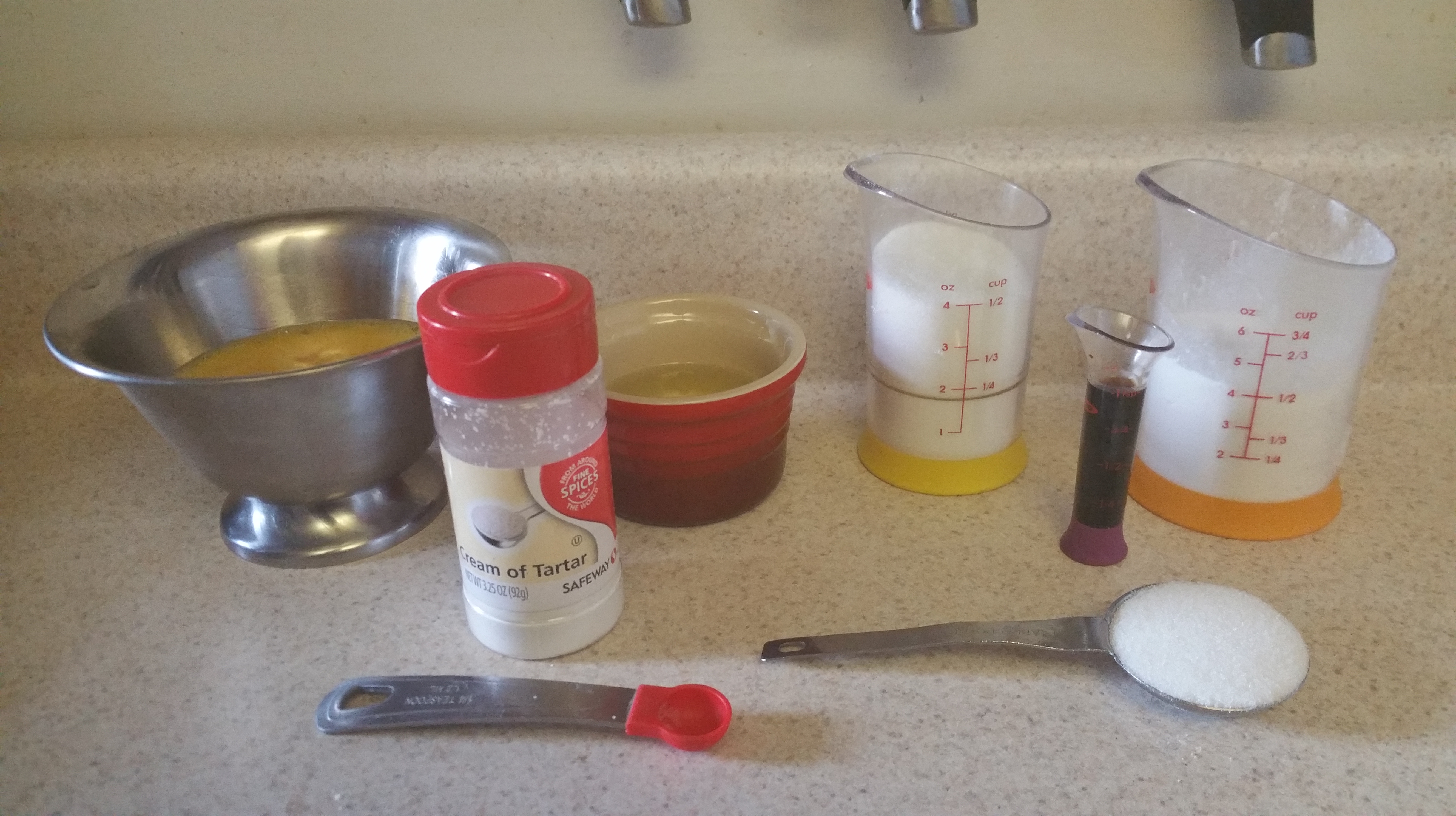
  • 1/3 cup cake flour
  • 3 tbsp. cornstarch
  • ½ cup + 1 tbsp. sugar, divided
  • 1 tsp. vanilla extract
  • 1/4 teaspoon cream of tartar
  • Powdered sugar (for rolling)

Strawberry Cream Filling:

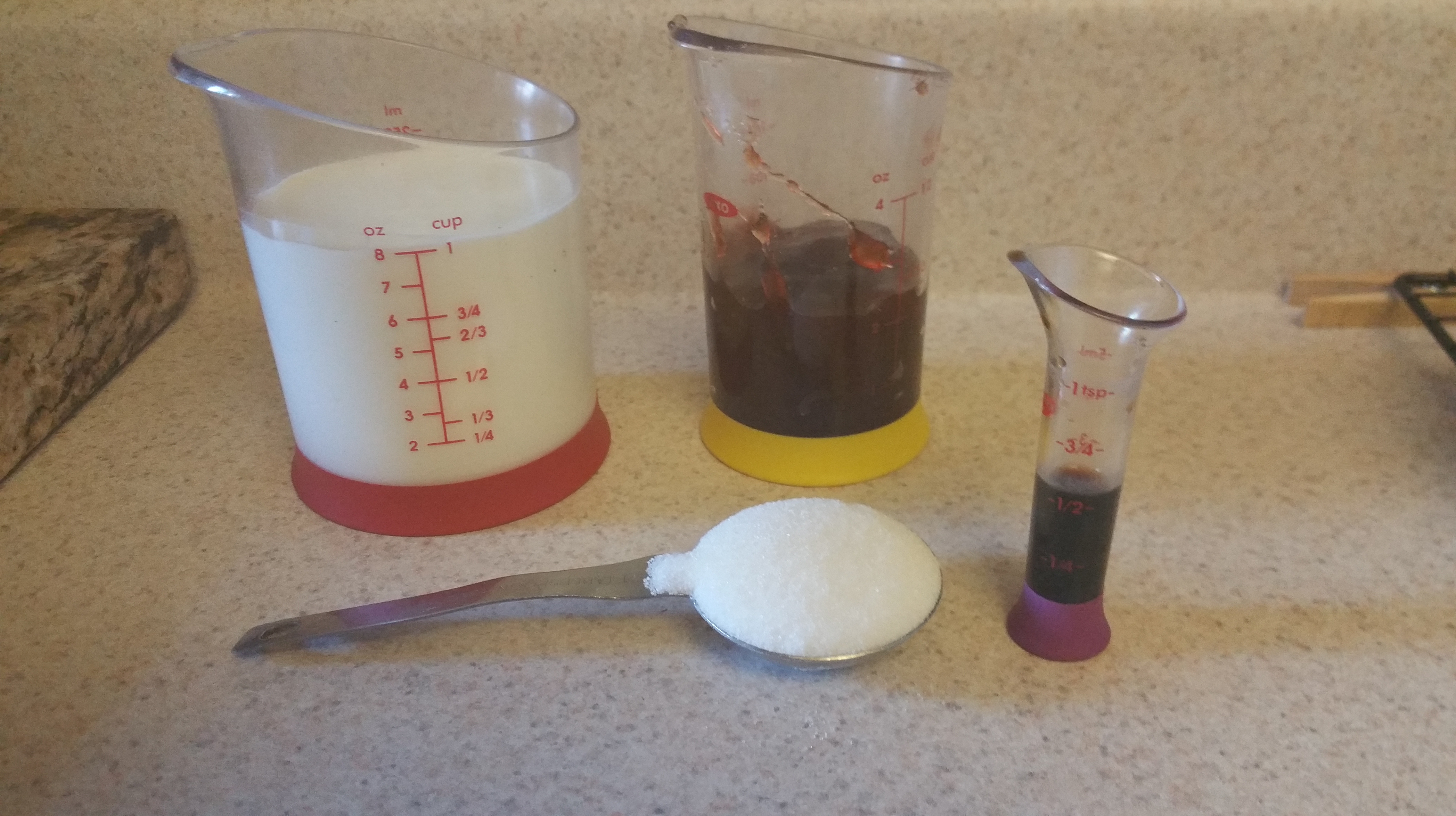
  • 1 cup heavy cream
  • ½ tsp. vanilla extract
  • 1 tbsp. sugar
  • 1/3 cup strawberry preserves

Butter, flour, and line with parchment a standard half sheet pan (12×17 in.), then butter and flour the parchment paper.

Preheat the oven to 450 degrees F.

Sift together the flour and cornstarch and set aside.

Separate two of the eggs. Set the whites aside, and to the yolks add the two remaining whole eggs and one egg yolk.

Place the egg yolk and whole egg mixture in the bowl of a stand mixer along with ½ cup of the sugar. Beat this mixture on high speed until it is pale yellow and thick. This will take a good five minutes. Add the vanilla extract and beat well. Move this mixture to another bowl and clean and dry the stand mixer bowl.

Sift half of the flour mixture over the egg and sugar mixture and fold in gently, then do this with the second half of the flour mixture. Set this aside.
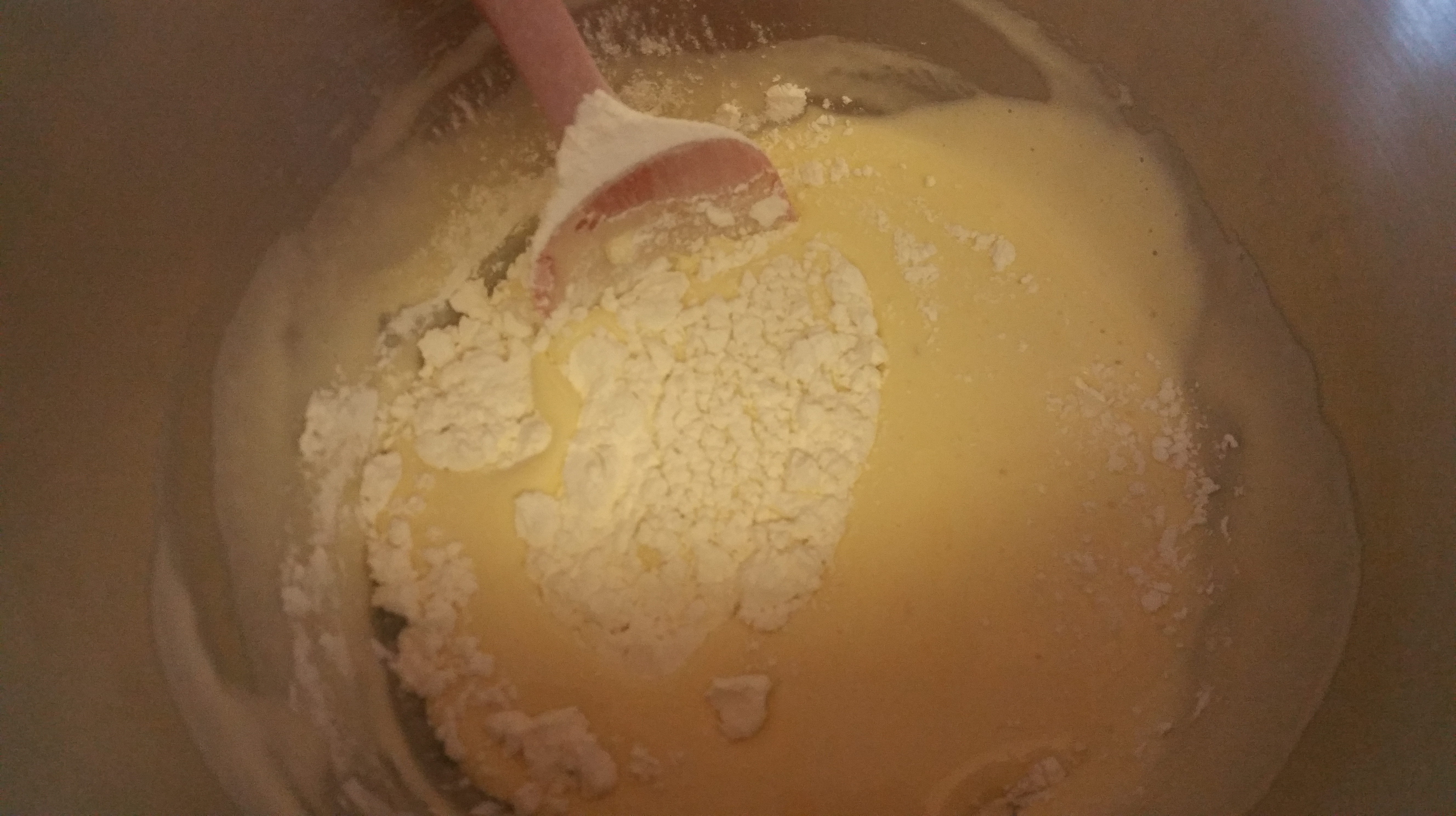
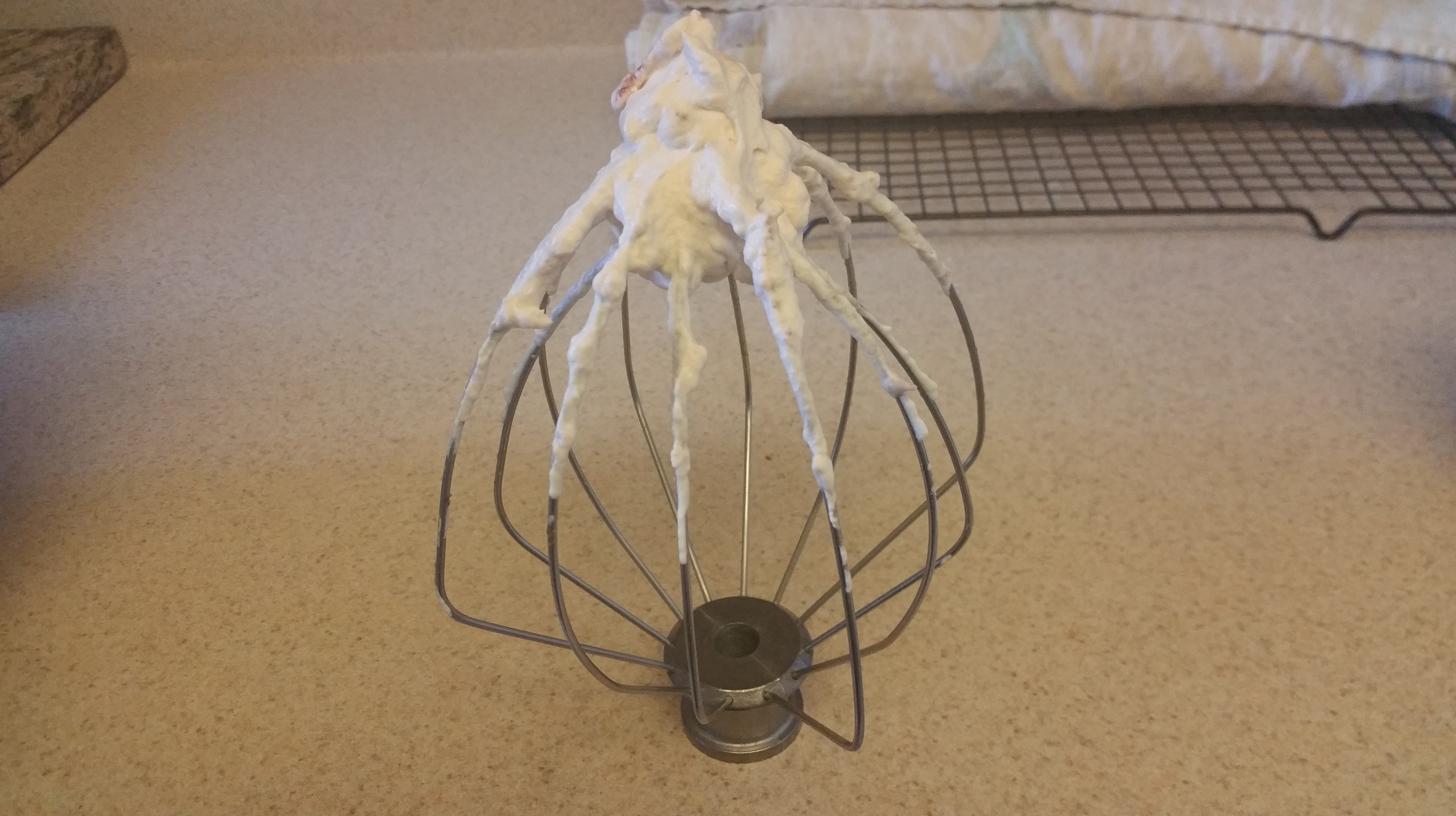
Add the egg whites and cream of tartar to the clean stand mixer bowl and secure a whisk attachment. Beat on high speed until the egg whites are very foamy and then slowly add the remaining 1 tbsp. sugar. Continue to beat on high speed until stiff peaks form.

Fold a small portion of the whipped egg whites into the batter to lighten it, and then gently fold in the rest.

Pour the batter onto the prepared sheet pan and use an offset palette knife to spread it to the edges in an even layer.

Bake the cake for about 7 minutes, or until it springs back when touched and is golden brown.

While the cake is baking, lay a clean towel at least the size of the sheet pan out on the counter.

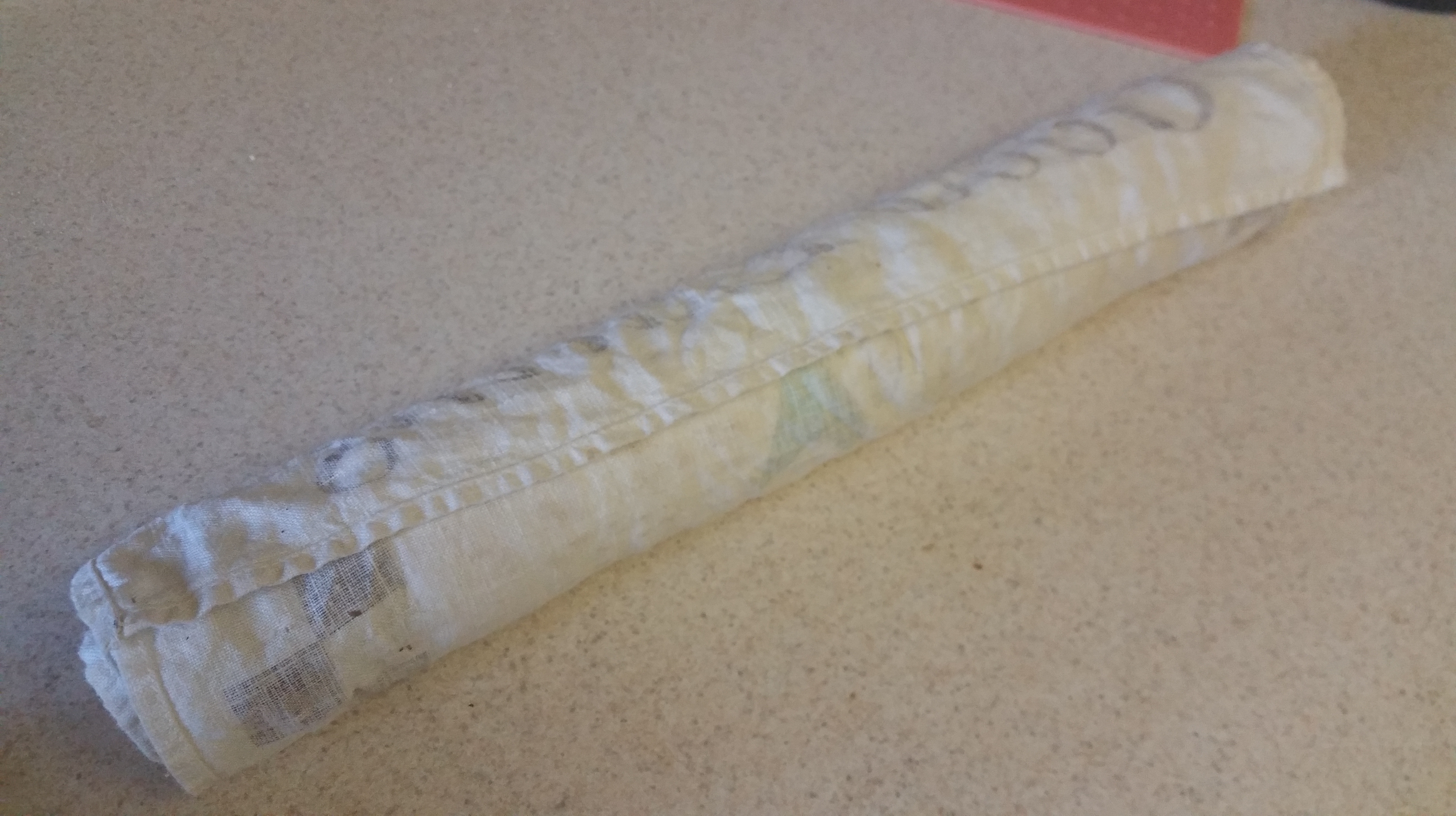
As soon as you take the cake out of the oven, dust the top lightly with powdered sugar and invert it onto the clean towel. Remove the parchment paper lining from the cake, dust the bottom (now top) with powdered sugar, and gently roll the cake up in the towel. Place this on a wire rack and let it cool for at least an hour.
Clean the stand mixer bowl and whisk attachment, and place them in the refrigerator to chill for 15 minutes. If you have enough space in your freezer, you can use that too.

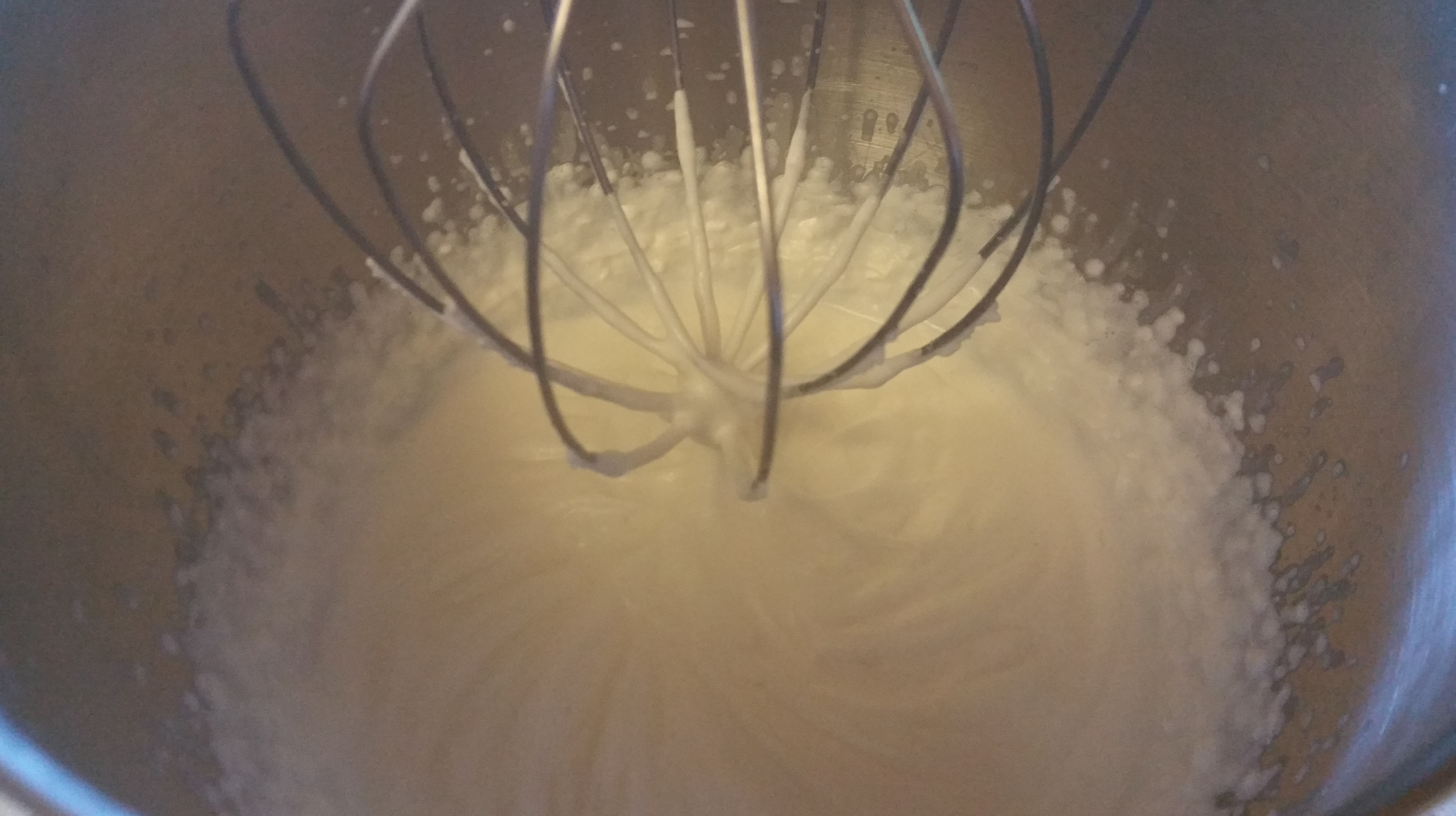
While the cake is cooling, make the whipped cream filling. Place the heavy cream, vanilla extract, and sugar in the chilled bowl. Secure the whisk attachment and beat on high speed until soft peaks form. Add the strawberry preserves and beat until stiff peaks form. Chill this in the refrigerator while you wait for the cake to cool.
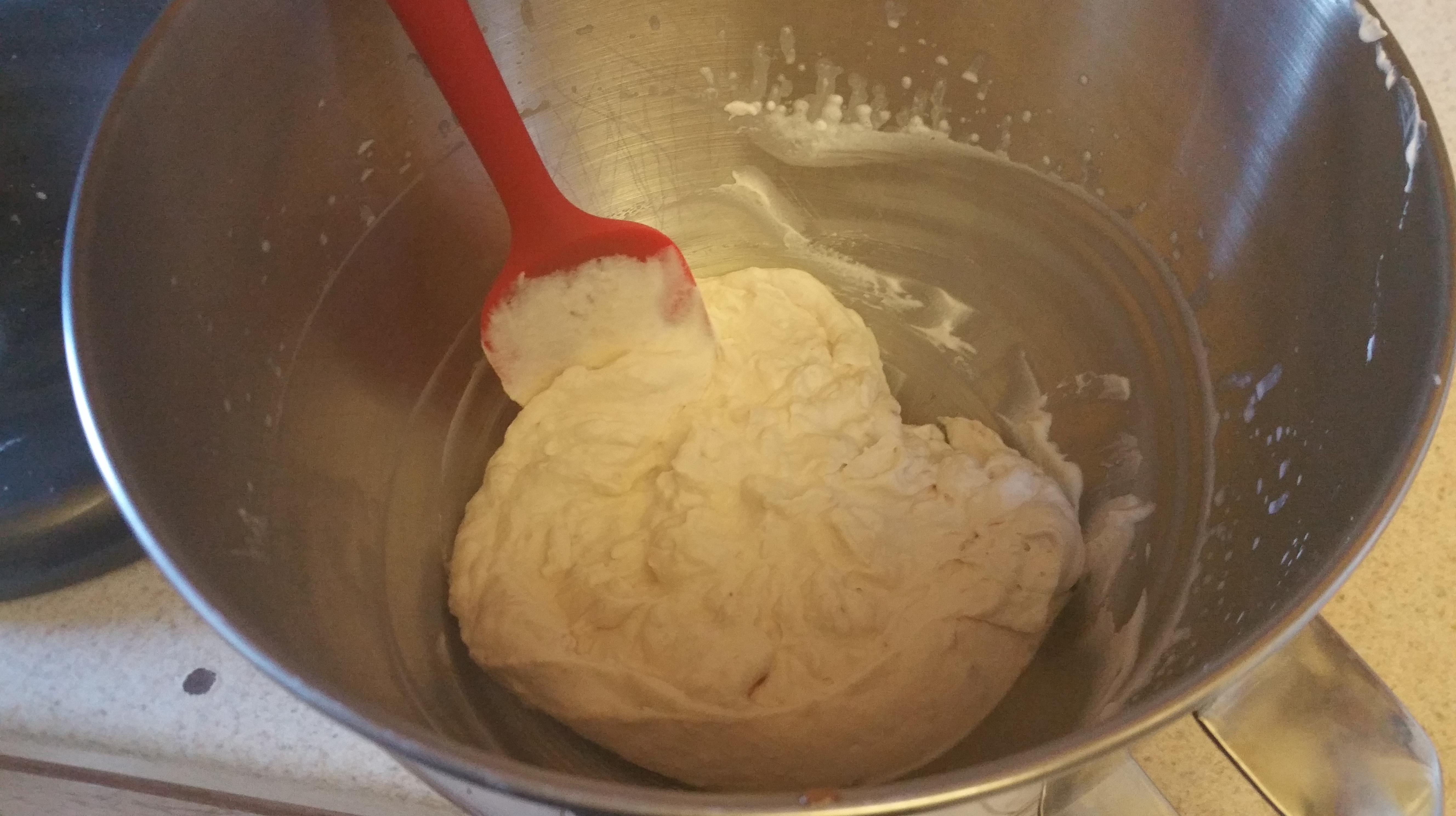
To assemble, unroll the cake gently and spread an even layer of the strawberry whipped cream on top.

Then slowly re-roll the cake, pulling in toward you as you go to tighten the spiral.

Place the cake on a platter, cover with plastic wrap, and chill in the refrigerator for 2 hours minimum.

I like to cut this cake into 12 servings. Use a serrated knife and slow, even strokes as you go. Don’t press straight down or you’ll squish your spiral. Lay the cut pieces on a platter, garnish with powdered sugar and fresh strawberries, and serve!
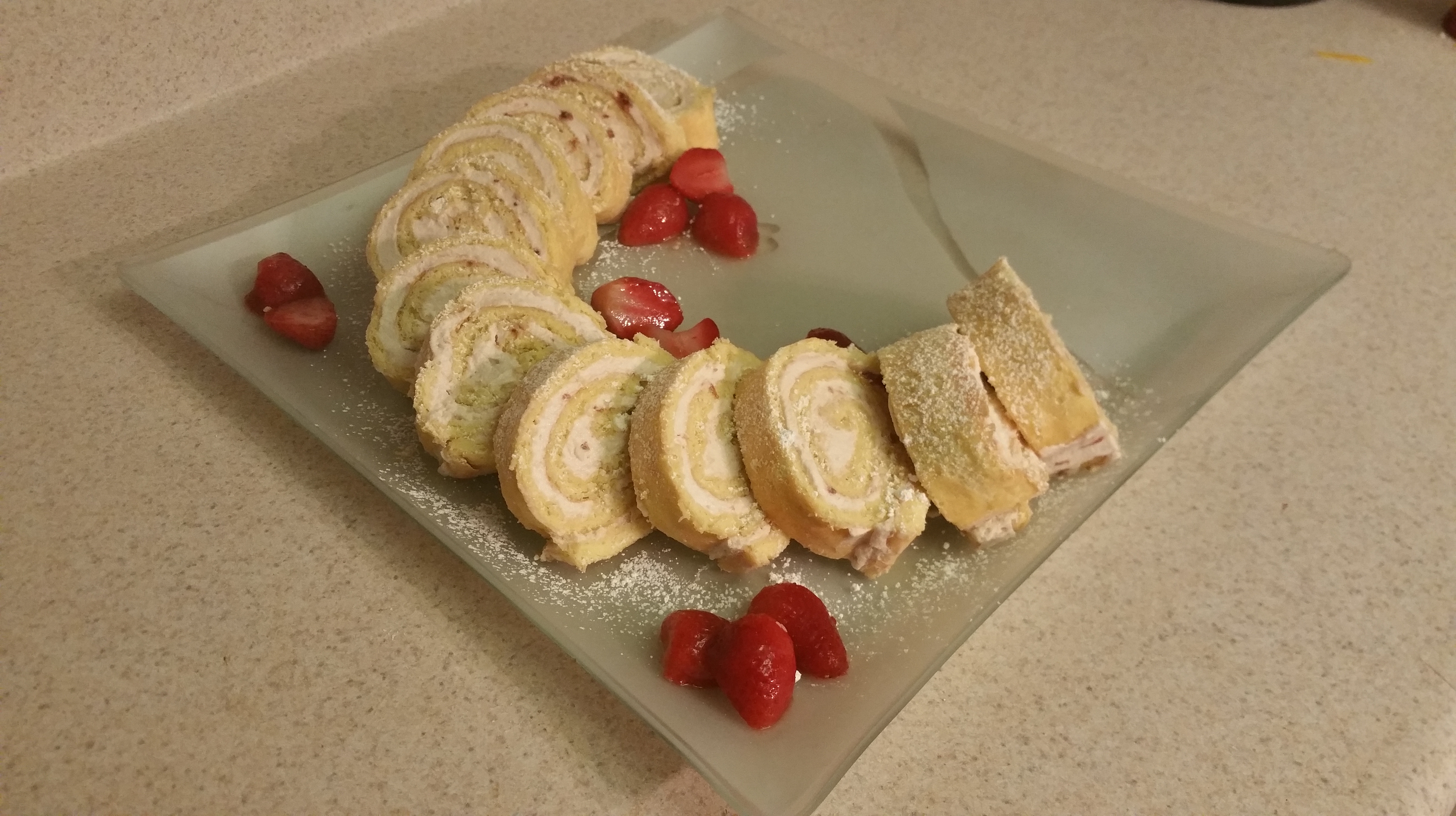
Honestly, as long as you take your time, it’s really not that hard to do. Beating the yolks and some of the whites separately is what gives this particular sponge the elasticity to roll without cracking or breaking. It is a low-stress sponge, I like to say. And the flavor can totally be of your own design! If strawberry’s not your game, use 1/3 cup of whatever flavor of preserves suits you. You can add some lemon zest to the batter or filling, try a different extract (oooooh almond would be good), paint the inside with flavored simple syrup before the second roll, or even give it a little powdered sugar/milk glaze after rolling. This one is a nice blank slate ripe for creativity.
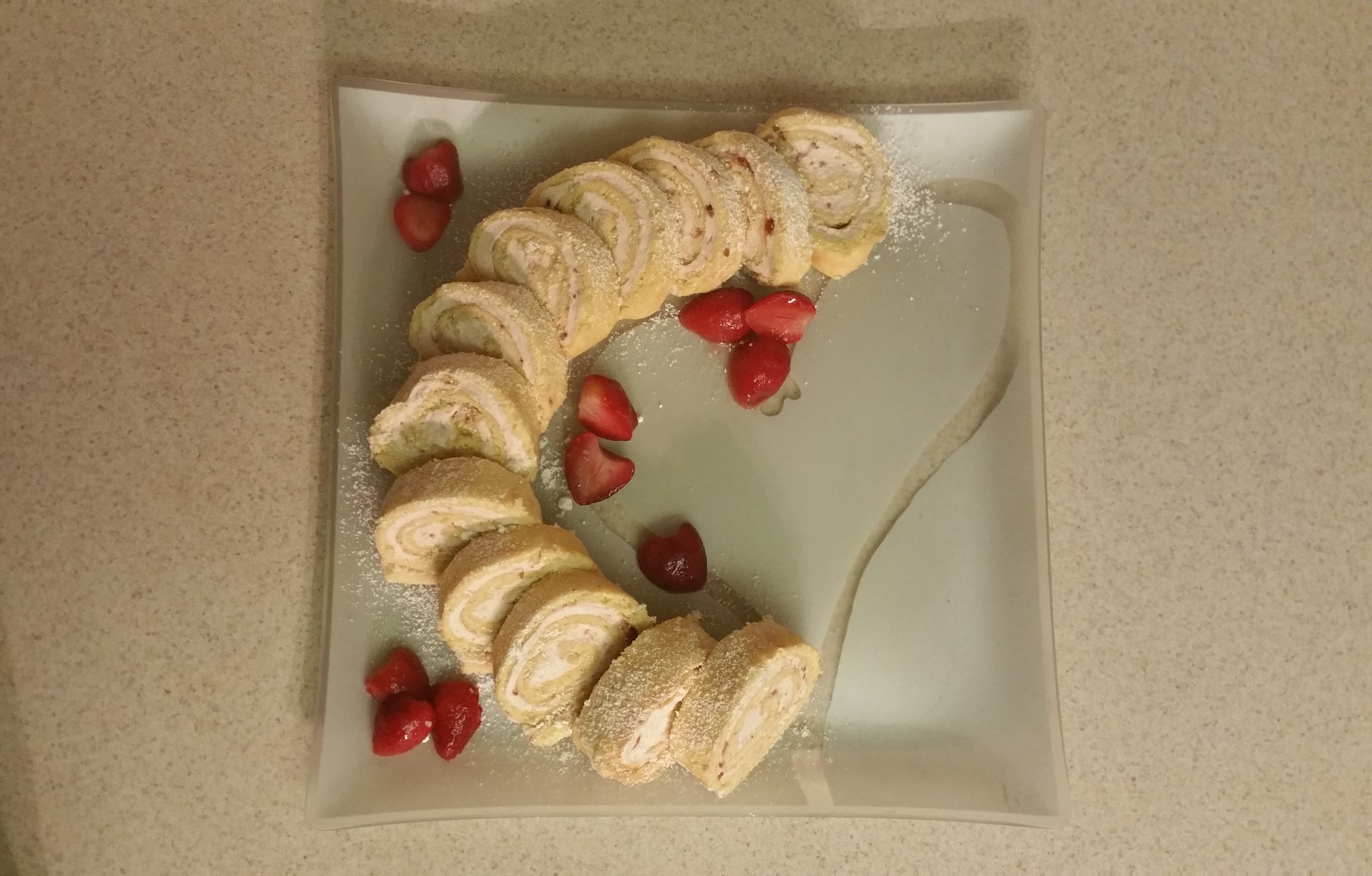
So, there are some things on TV that you should absolutely try at home without fear, and this is one of them: A perfect little pinwheel to share with friends. What could be better?

Ciao for now,

Neen

Birthday Bakes: Carrot Cake

2 Sep

I love carrots. They’re like the candy of the vegetable world, really. There’s always a bag of them in my refrigerator and I eat them with such consistency that Joe doesn’t even ask me to put them on the shopping list anymore. Much like coffee, he just assumes I’m running low and buys more.

If I’m waiting for something to bake or cook in the kitchen, I’m usually also leaning against the counter dipping carrot pieces in hummus or peanut butter. So it’s kind of weird (now that I think of it) that I’ve never once blogged about carrot cake. Probably because I’m the only one in this household that likes it and I just can’t eat a whole cake by myself.

So when I got the opportunity to make one for a friend’s son’s birthday recently, I HAD to jump at the chance. The natural sweetness of carrots blended into and a soft, tender cake full of warm spices is absolutely a treat. Wrap that up in some rich, decadent cream cheese frosting and we are definitely talking celebration-worthy. And plus, no one can say you didn’t eat your vegetables, right? Let’s make some cake!

T’s Carrot Cake

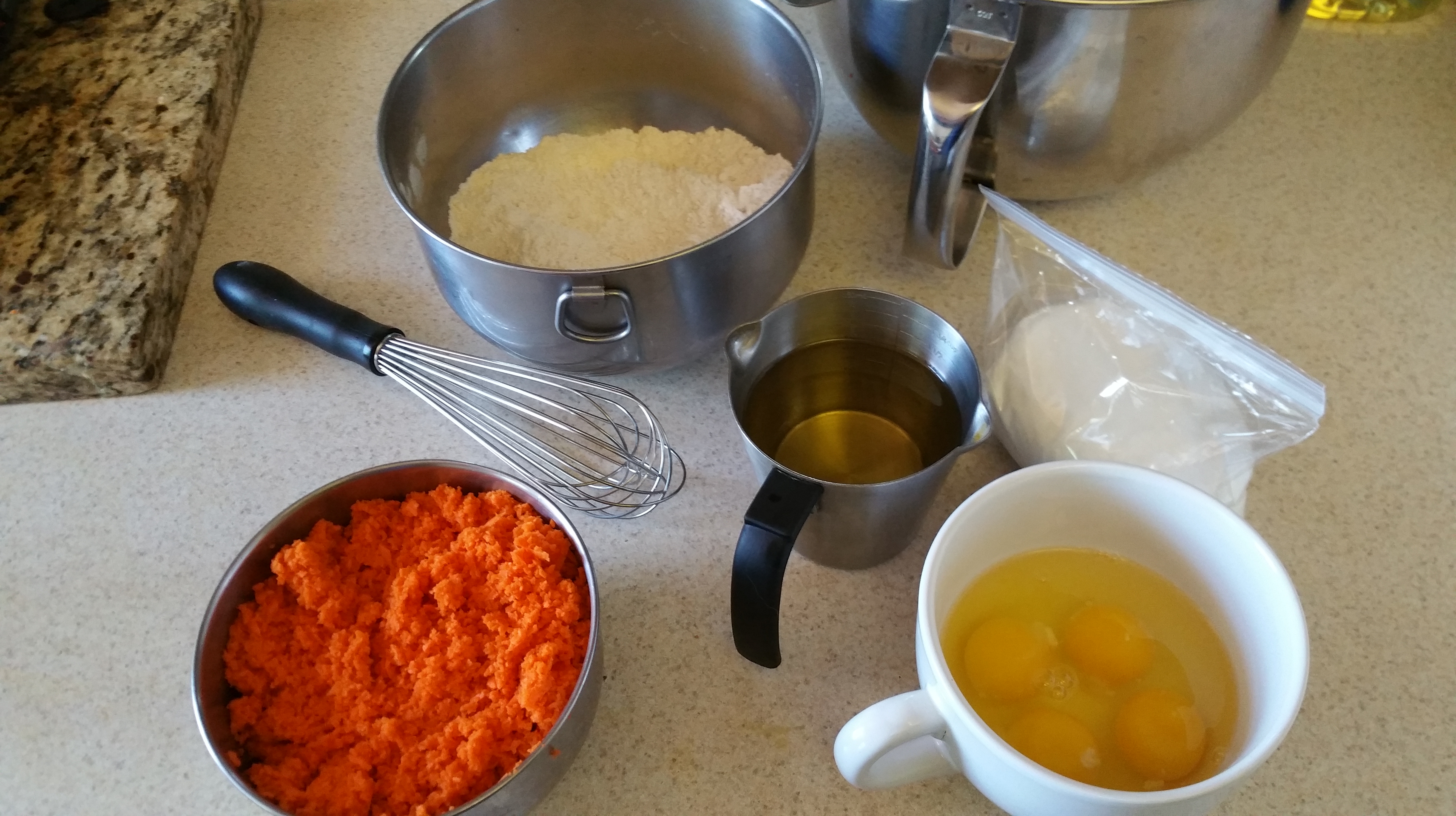
  • 2 cups all-purpose flour
  • 2 tsp. baking soda
  • 1 tsp. kosher salt
  • 2 tsp. ground cinnamon
  • 1 tsp. ground ginger
  • 1/2 tsp. fresh ground nutmeg
  • 2 cups granulated sugar
  • 1 1/4 cups canola oil
  • 4 large eggs, room temperature
  • 3 cups peeled and grated carrots

Cream Cheese Frosting

  • 16 oz. cream cheese, softened
  • 4 oz. butter, room temperature
  • 2 cups powdered sugar
  • 1 tsp. vanilla extract
  • 1 tsp. finely grated lemon zest
  • Pinch of salt

Candy Decorations

  • 6 oz. green candy melts
  • 6 oz. orange candy melts
  • Orange and green sprinkles


Preheat the oven to 350 degrees F.

Butter, flour, and parchment-line two 9 in. round cake pans and set aside.

Whisk together the flour, baking soda, salt, cinnamon, nutmeg, and ginger in medium bowl.

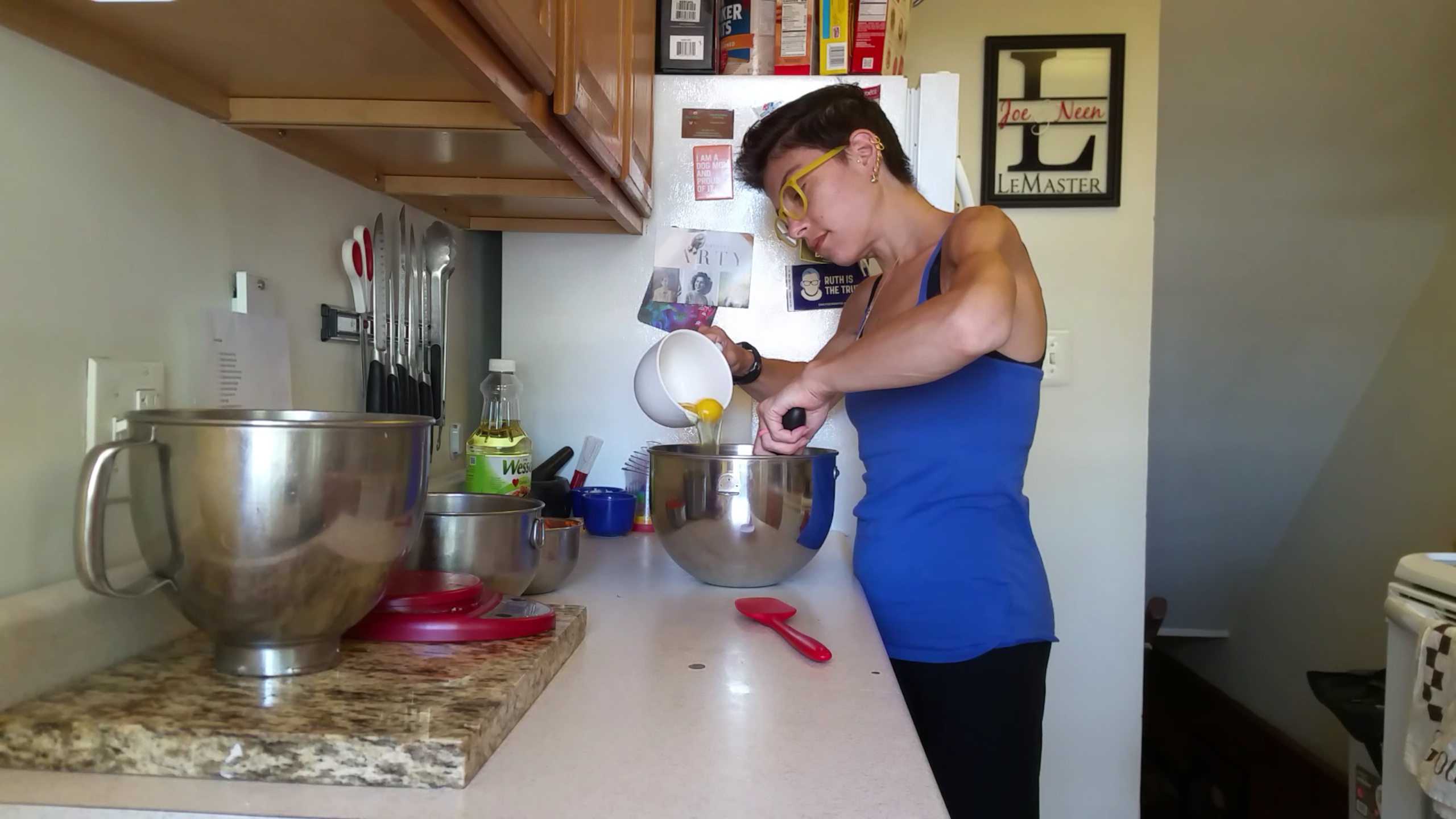
Whisk the sugar and oil in large bowl until well blended, and then add the eggs one at a time, beating between additions.

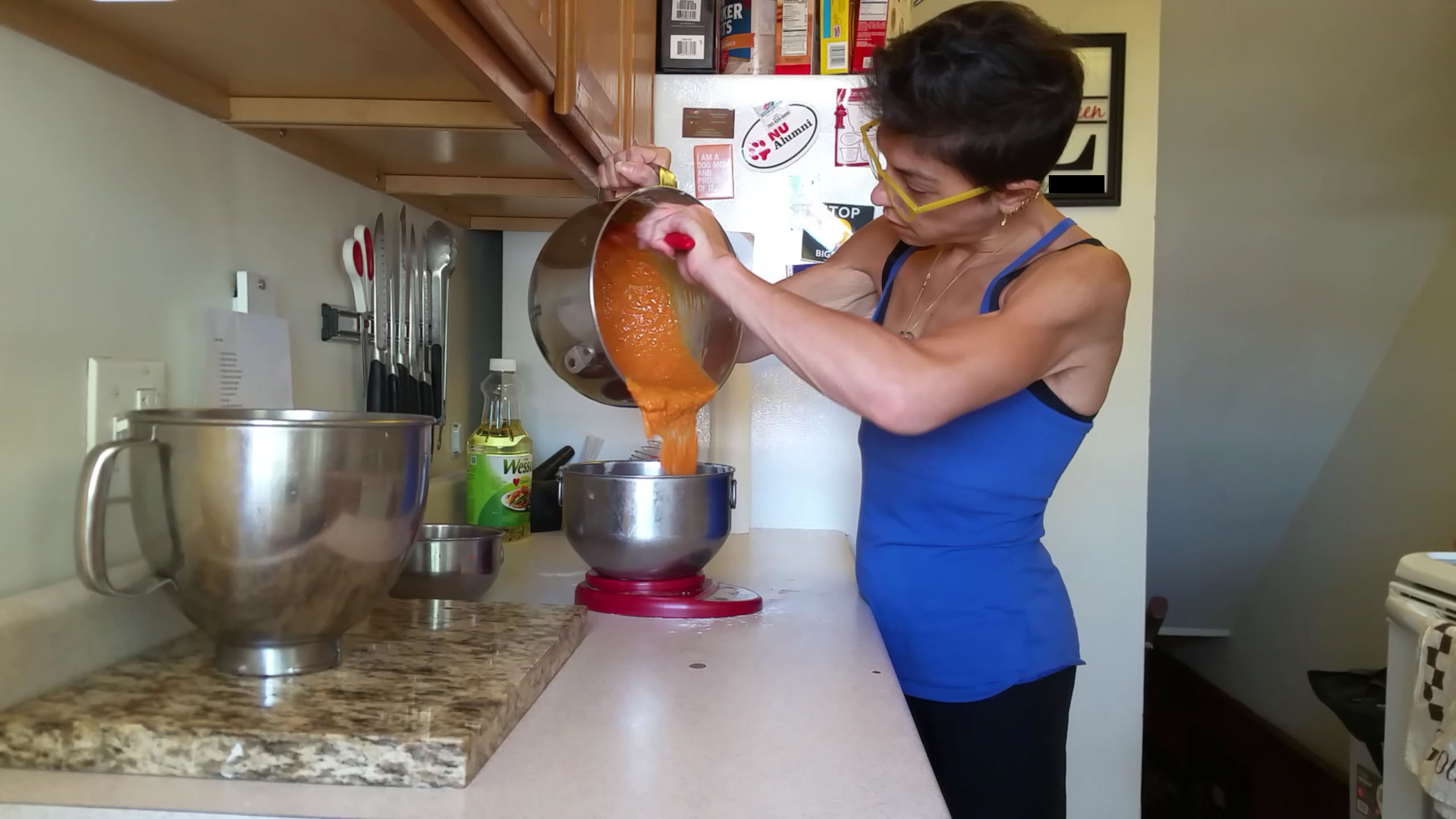
Add the flour mixture to the wet ingredients and stir until well-blended.

Stir in the grated carrots.

Divide the batter evenly between the prepared pans. I prefer to do this by weight rather than volume because it results in more even layers.

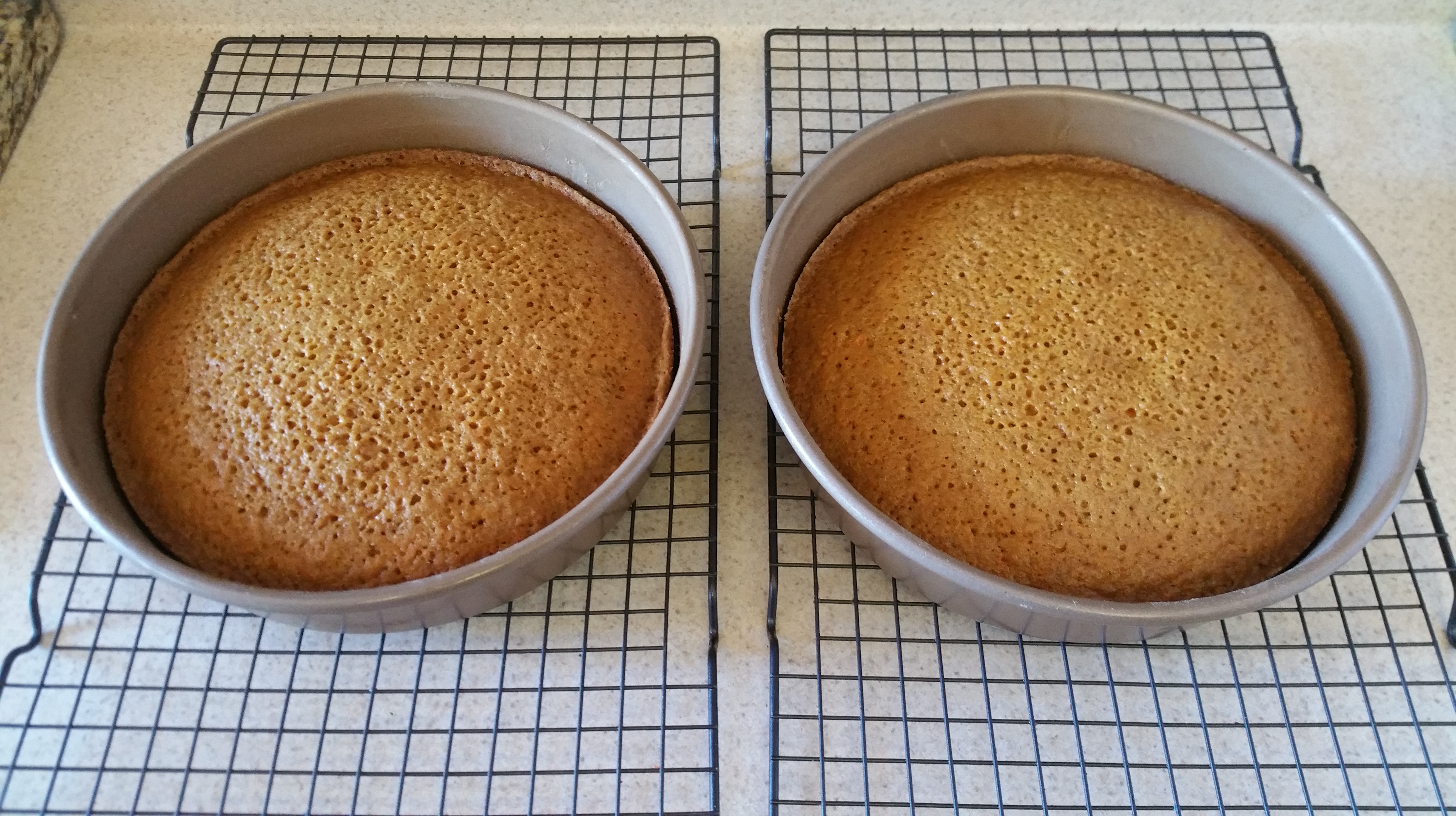
Bake the cake layers for about 40 minutes each, or until a tester inserted into center comes out clean. Allow them to cool in the pans for 15 minutes and then invert onto wire racks, peel away the parchment paper, re-invert and allow them to cool completely. The re-inverting is important because the tops of the cakes will be a little bit sticky, so you want the bottom-side on the cooling rack.

To make the frosting, beat the cream cheese and butter together on low speed until smooth. Gradually add the powdered sugar and beat on medium speed until fully incorporated and creamy.

Add the vanilla extract and lemon zest and beat until combined.

Taste the frosting and then decide whether or not to add the pinch of salt. Cream cheese brands can really vary salt content-wise, so you may or may not need it depending on your preference.

Now onto the fun stuff! I always think it’s easier to trim and frost a chilled cake, so I usually wrap and refrigerate layers for a few hours or overnight. Carrot cake has enough oil in it plus added moisture from the grated carrots that it won’t dry out at all as long as you wrap it up well.

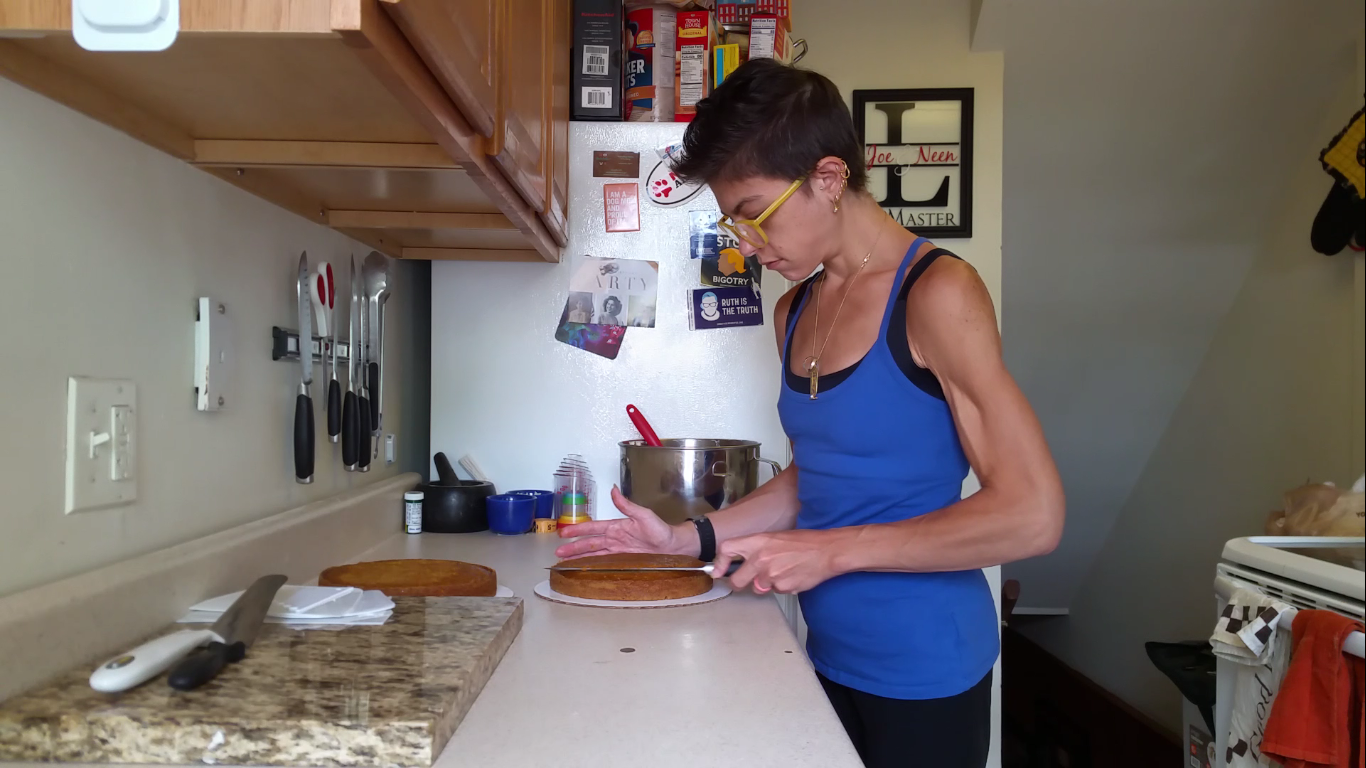
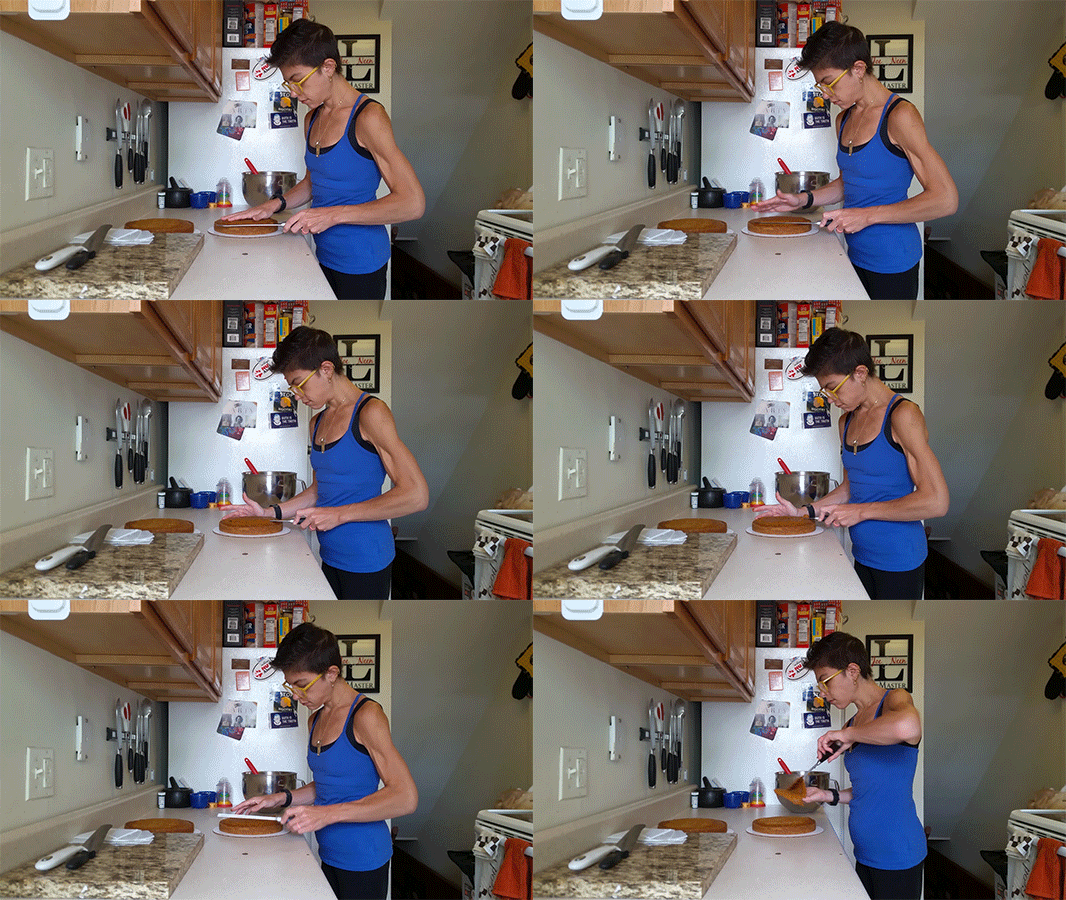
Take a look at your cake layers. If they’re even and flat, leave them alone. If you have any doming, it’s a good idea to trim them with a serrated knife.

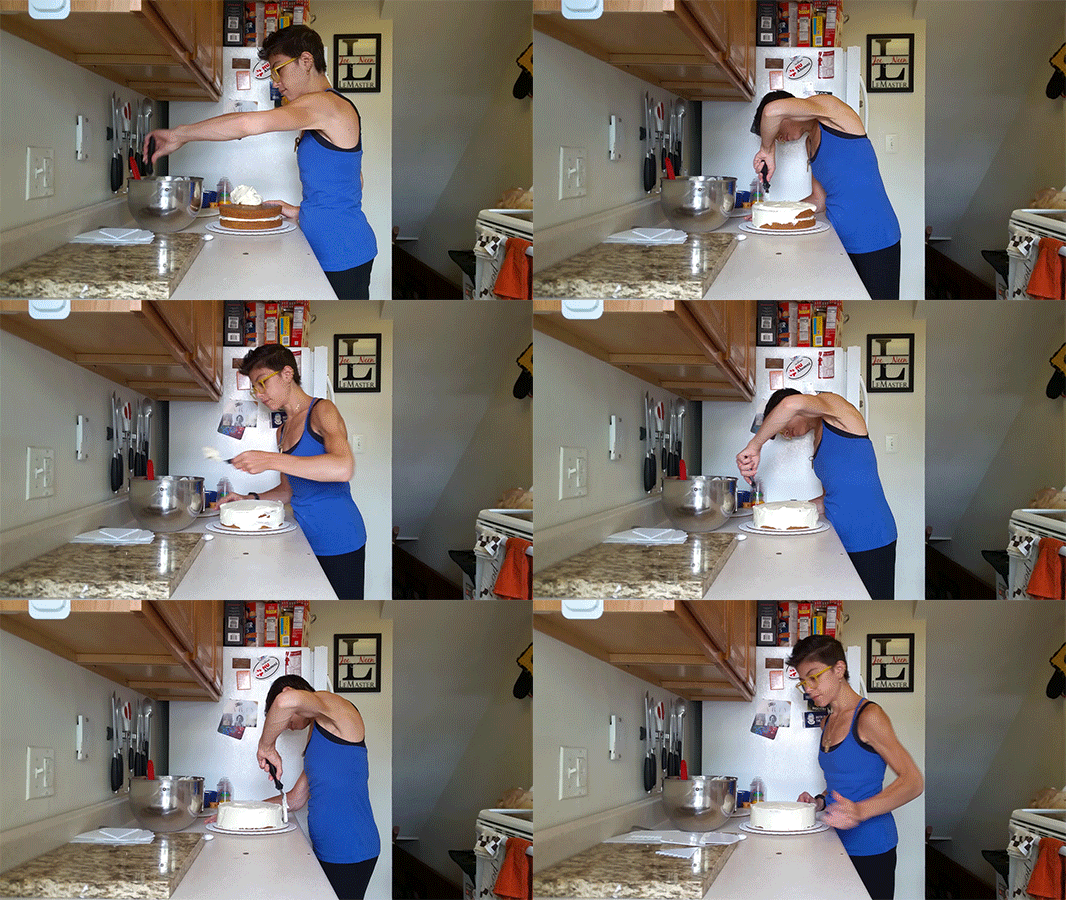
Put one layer on a cake board. If you have one, set that on a turntable. Place a layer of frosting on top of the cake layer (about ¾-1 cup of frosting) and then stack the second layer on top.

Then place a large dollop of frosting on top and frost the top and sides of the cake using a spatula or offset palette knife.

I have these cake scrapers to smooth the sides, but you can just as easily use the flat side of a knife, bowl scraper, bench scraper, or a plain old flat spatula.

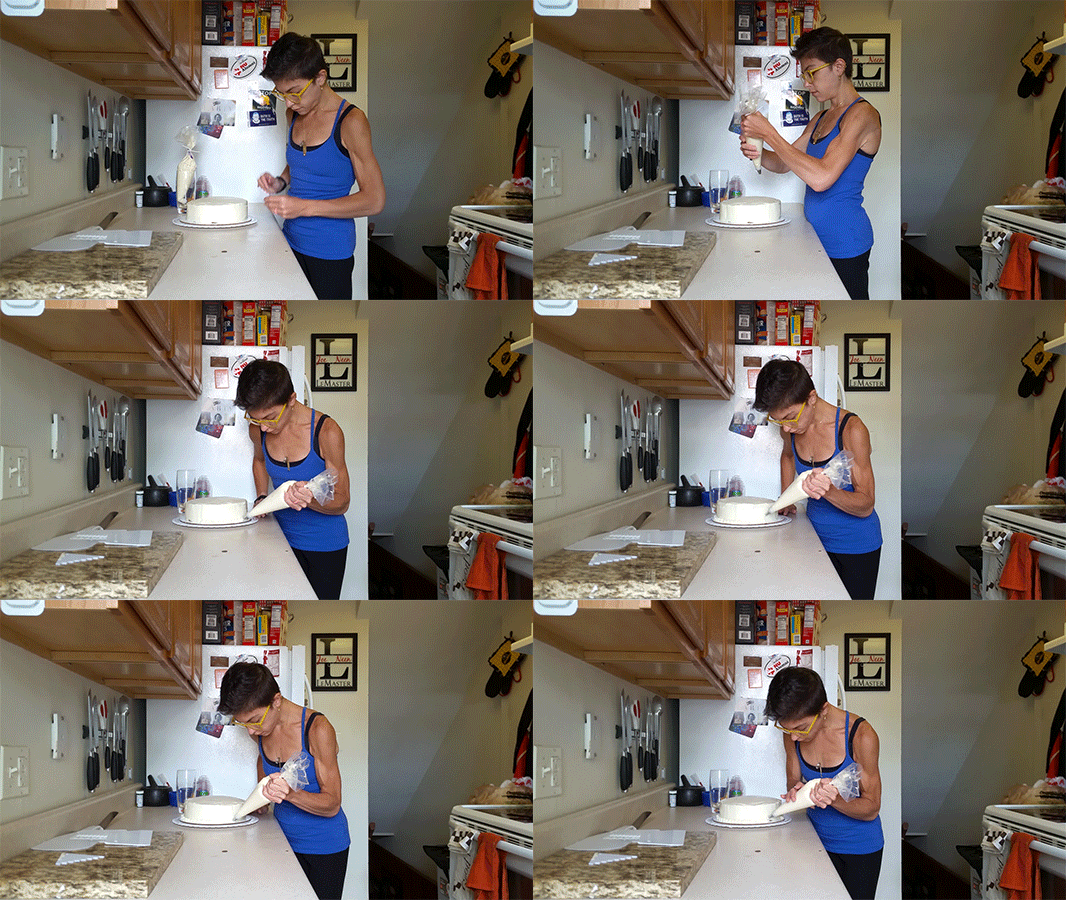
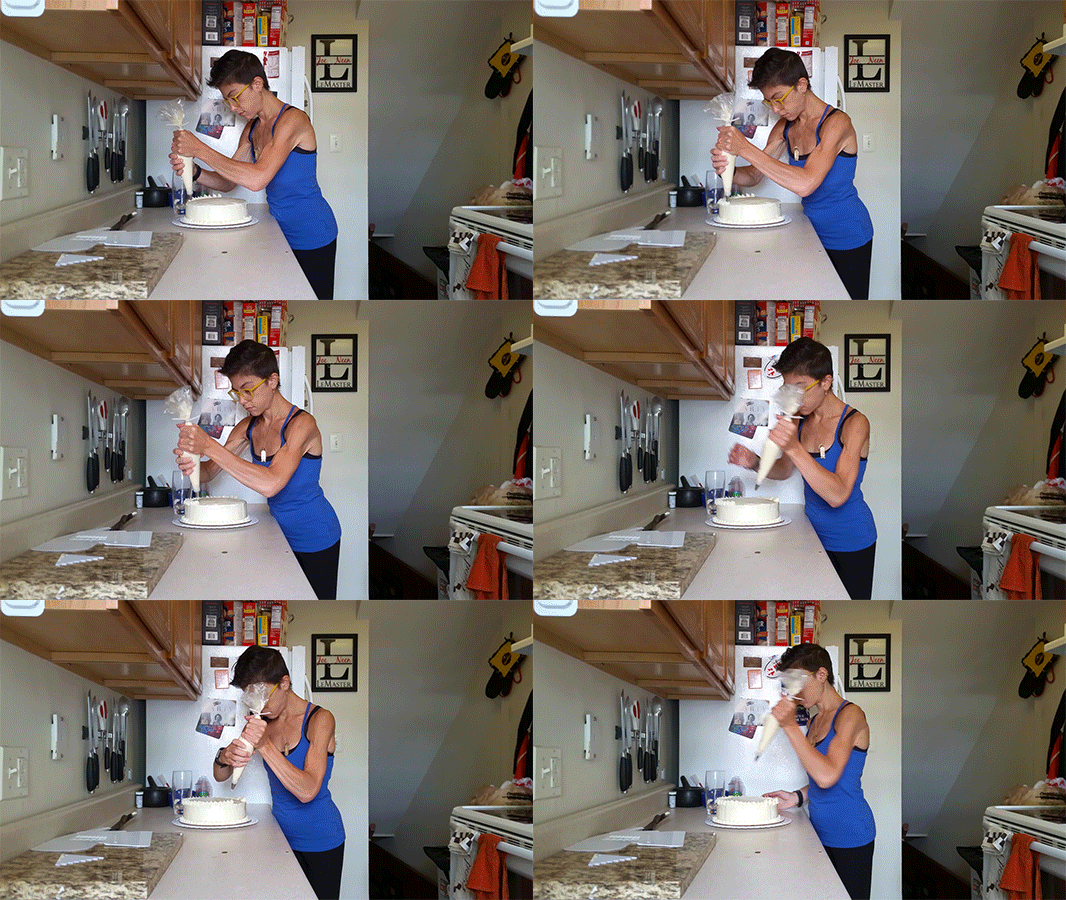
Once you have a nice even coat, put the rest of the frosting into a piping bag for decoration. You can also use a gallon sized plastic freezer bag with the corner cut off for this.

Don’t be intimidated! Keep it simple with small swirls of frosting around the top and bottom or go nuts with patterns. At this point, it’s going to be delicious no matter what. Play around a little. You can always scrape a decoration off and throw that frosting back in the piping bag. If your hands are warm and the frosting gets a little soft, refrigerate the piping bag briefly and return to work when it has cooled.

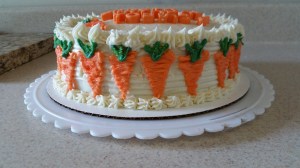
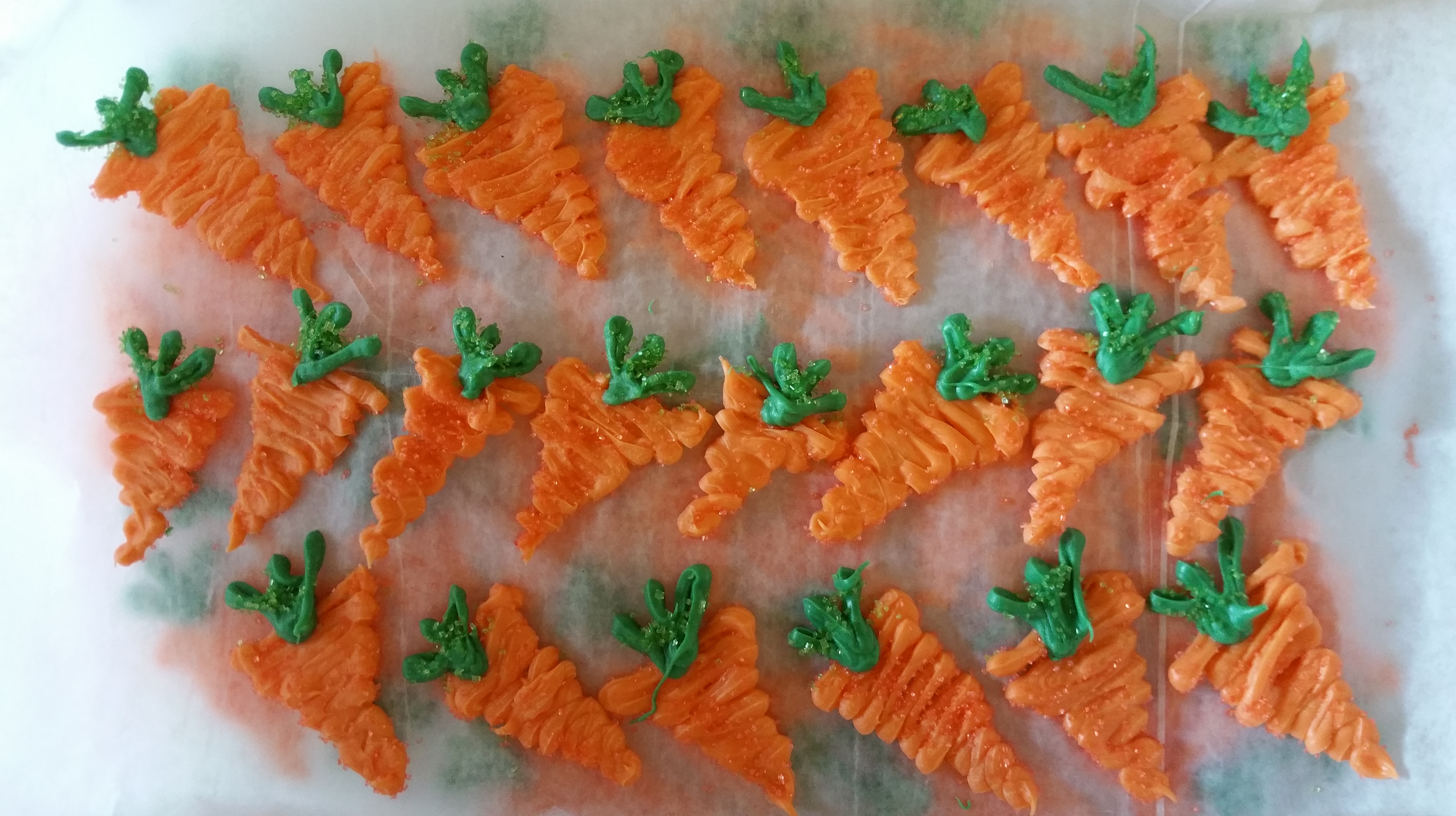
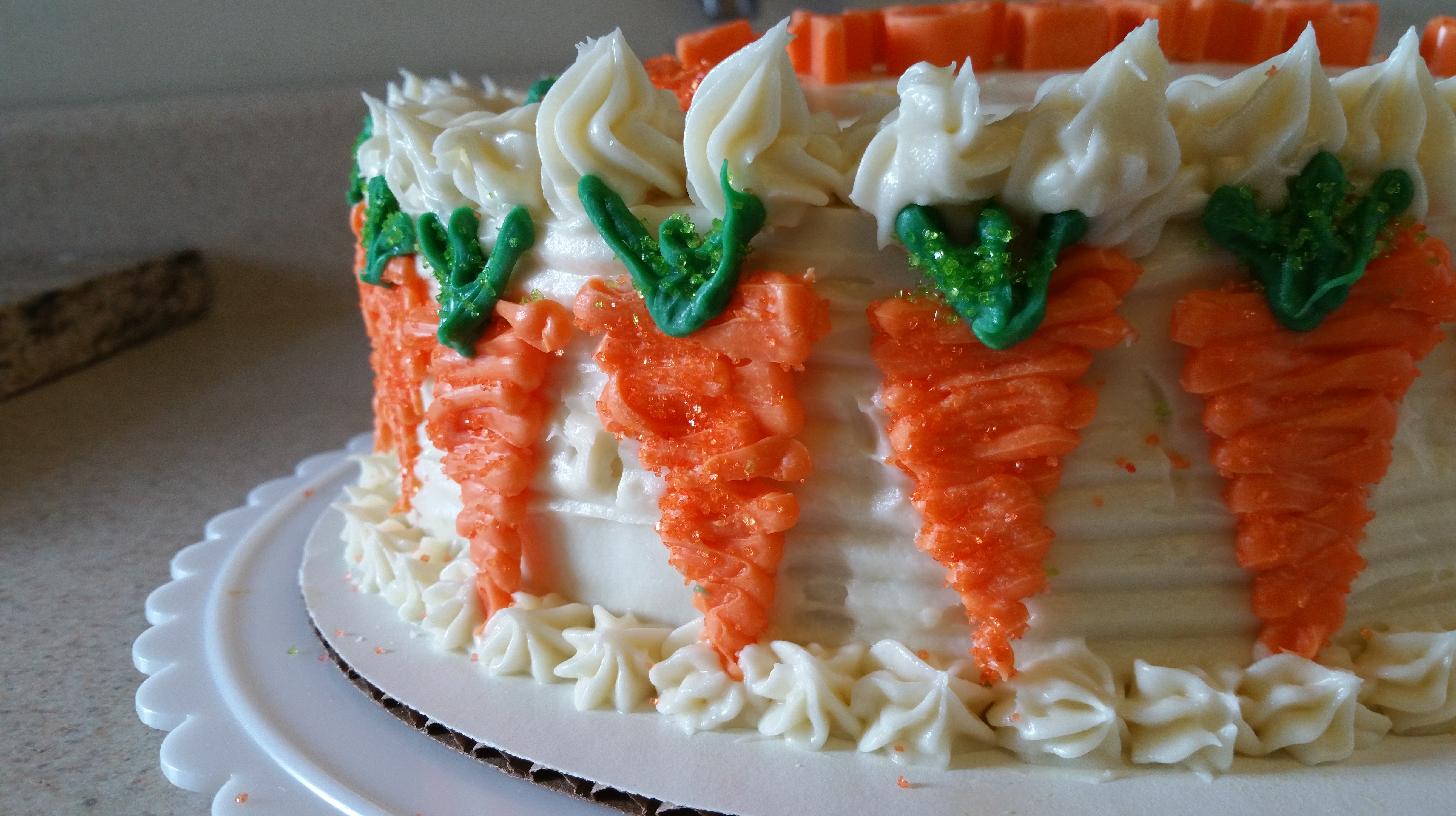
You can also decorate in a way that allows you to practice as much as you want by using some candy melts, which are just colored vanilla candy you can buy at most craft stores and also online. I melted about 6 oz. of green and 6 oz. orange melts and drew these little carrots on some parchment paper, then sprinkled them with colored sugar.

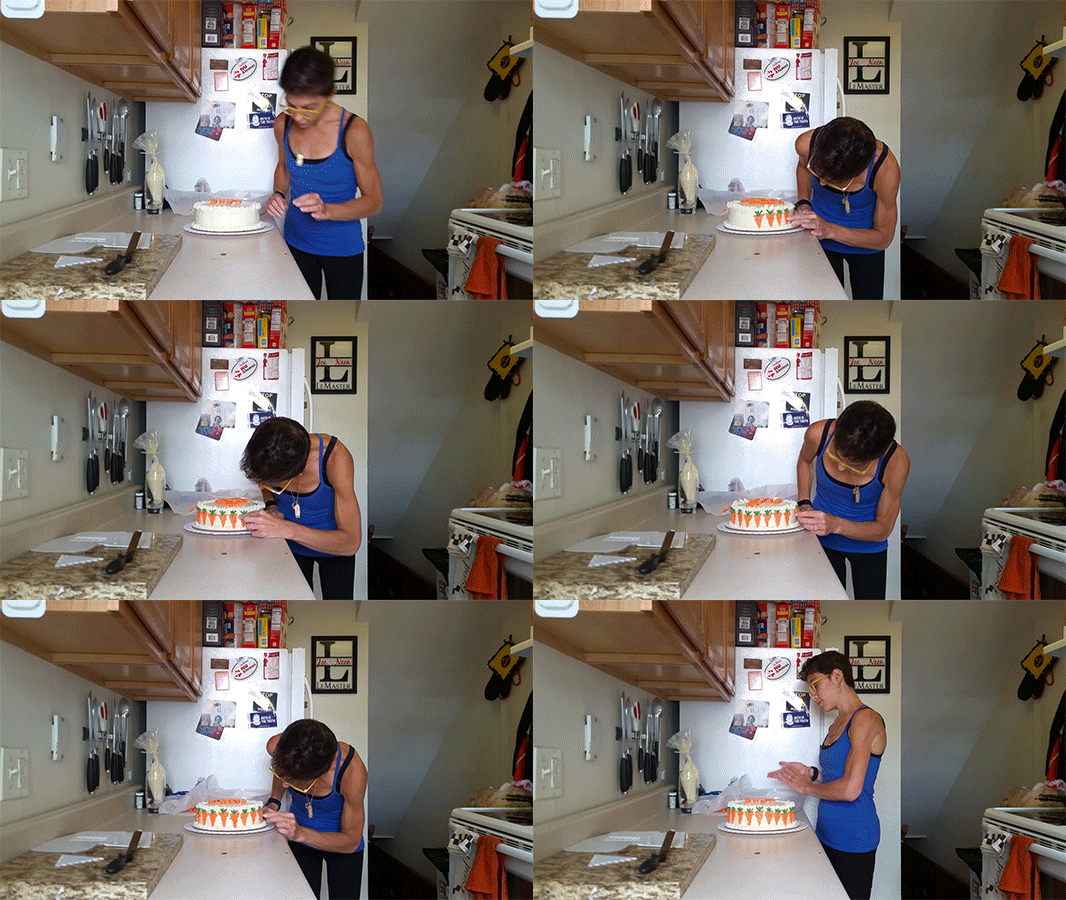
They set up quickly and stick easily to frosting, so it’s a relaxed way to do more intricate decorations. I also used candy for the lettering on this cake by pouring the melted candy into letter-shaped silicone molds.

Once you’ve decorated your cake, put it in the refrigerator to let all of the frosting and decorations firm up. You can leave it uncovered if you are serving it that day, or box it up if you need to store overnight.


This cake is warm, spicy, and sweet. The smooth, luxurious cream cheese frosting compliments the spices, especially the ginger (in my opinion) without being overwhelmingly heavy. The little candy decorations give a nice vanilla crunch that adds a lovely bit of texture to the whole dessert.

To see the smile on Tobias’ face as his mom opened the cake box was the ultimate reward. There is nothing better than helping to make someone’s special day even sweeter.

Happy cake baking!

Ciao for now,

Neen
Excellent Experiments: Cinnamon Twist Bread

1 Sep

I have had the experience on a few occasions of starting a recipe assuming I had certain ingredients on hand, only to realize partway through that I was actually missing something. Yes, yes, I know this breaks the cardinal rule of “mise en place,” but we all err sometimes. There are also occasions when I know I don’t have the right things on hand and don’t care, because I’m simply going to try something and see what happens.

I found a recipe for a cinnamon twist bread ages ago. I remember that I loved the concept of it, but it called for several ingredients (and a cooking vessel, as I recall) that were either hard to find or that I didn’t want to buy because I couldn’t think of how else I would use them. I wrote off the recipe and moved on to something else. I never like it when things go to waste, so it’s always my preference to use ingredients that can be located in an average grocery store and have multiple uses. For whatever reason, I thought back to that pretty-looking loaf this morning. I decided to take what I know about bread and recreate the idea with ingredients and tools that an average home cook would have available. I was worried that it would turn out strange, but if you never try, you never know. And many times it’s worth trusting your instincts.

Cinnamon Twist Bread

Bread dough:

  • 3 cups bread flour
  • 3 oz. (6 tbsp.) unsalted butter, room temperature
  • 1/4 cup instant mashed potato flakes
  • 1/4 cup nonfat dry milk
  • 3 tbsp. sugar
  • 2 1/4 tsp. instant yeast
  • 1 1/4 tsp. salt
  • 1 cup lukewarm water (105-110 degrees F)

Filling:

  • 1/2 cup sugar
  • 2 tsp. cinnamon

Topping:

  • 1 tbsp. granulated sugar


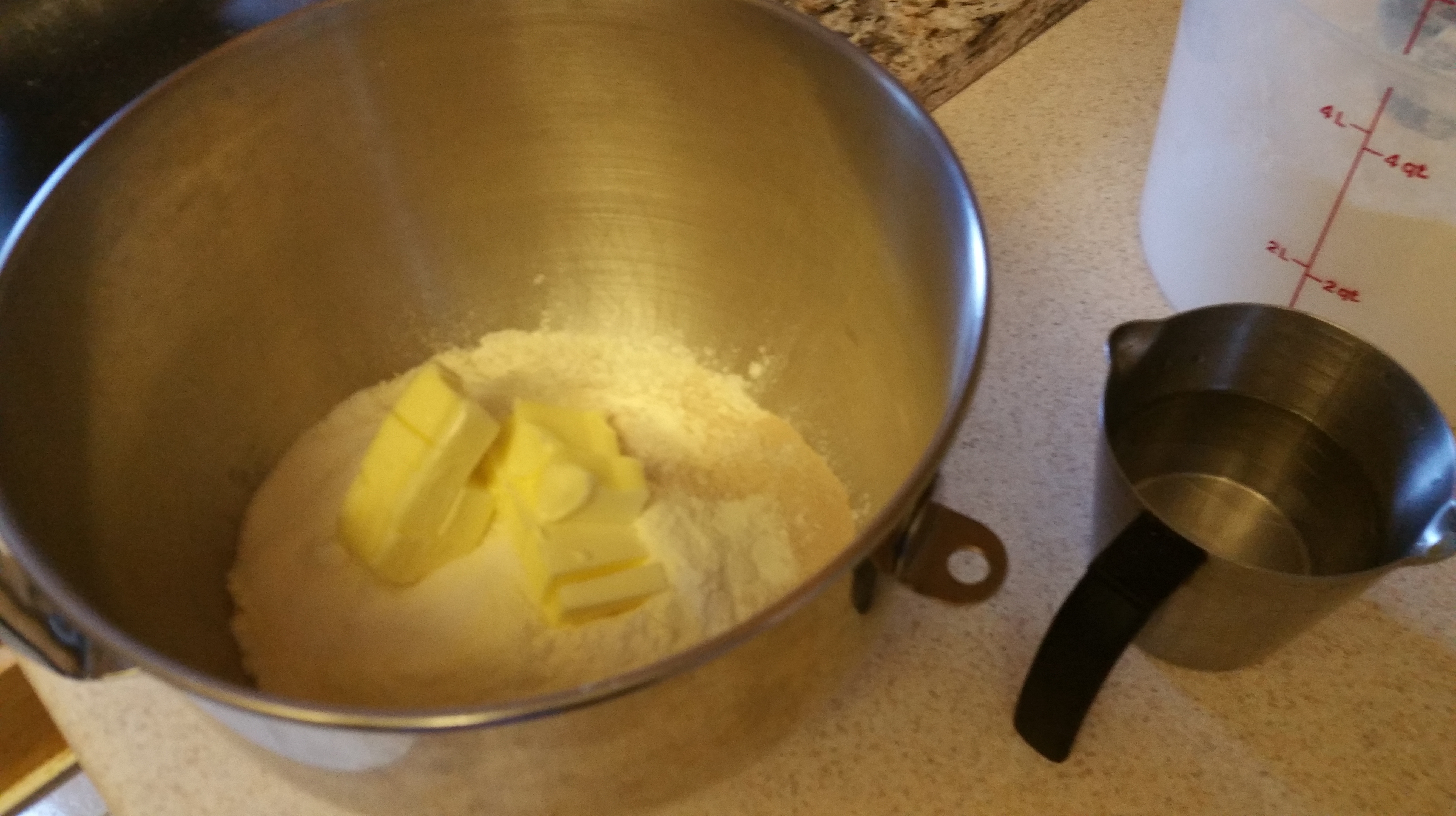
To make the bread dough, combine all of the ingredients in either a stand mixer or by hand and then knead until the dough is soft, smooth, and elastic.

Roll the dough into a ball, placed it in an oiled bowl, and toss to coat with oil.

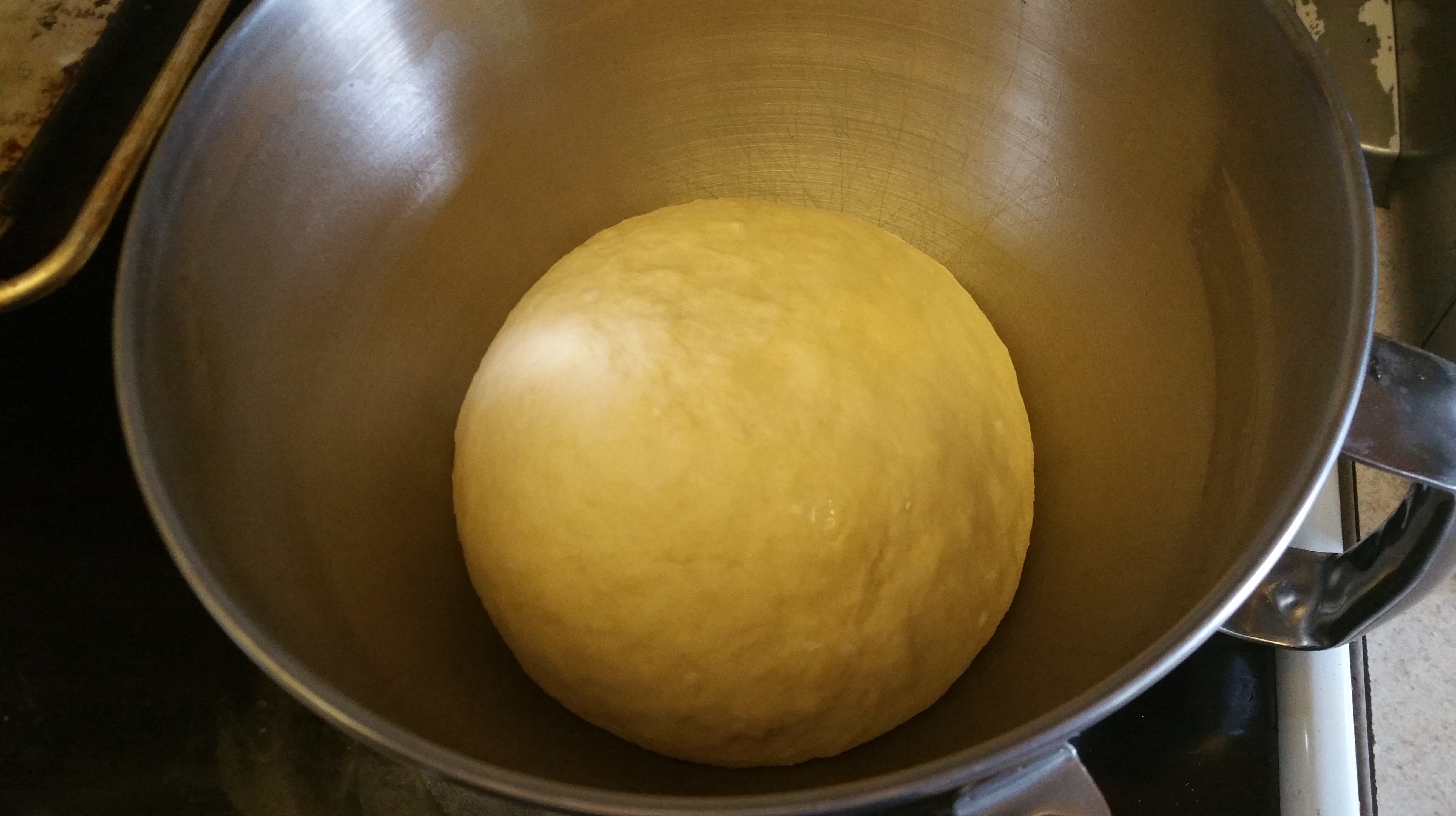
Cover the bowl and allow the dough to rise until it has doubled in size. This can take anywhere from an hour to 90 minutes, depending on the temperature and humidity of your kitchen.

Once the dough has risen, turn it out onto a lightly greased surface and roll it into a 24 x 10 in. rectangle.

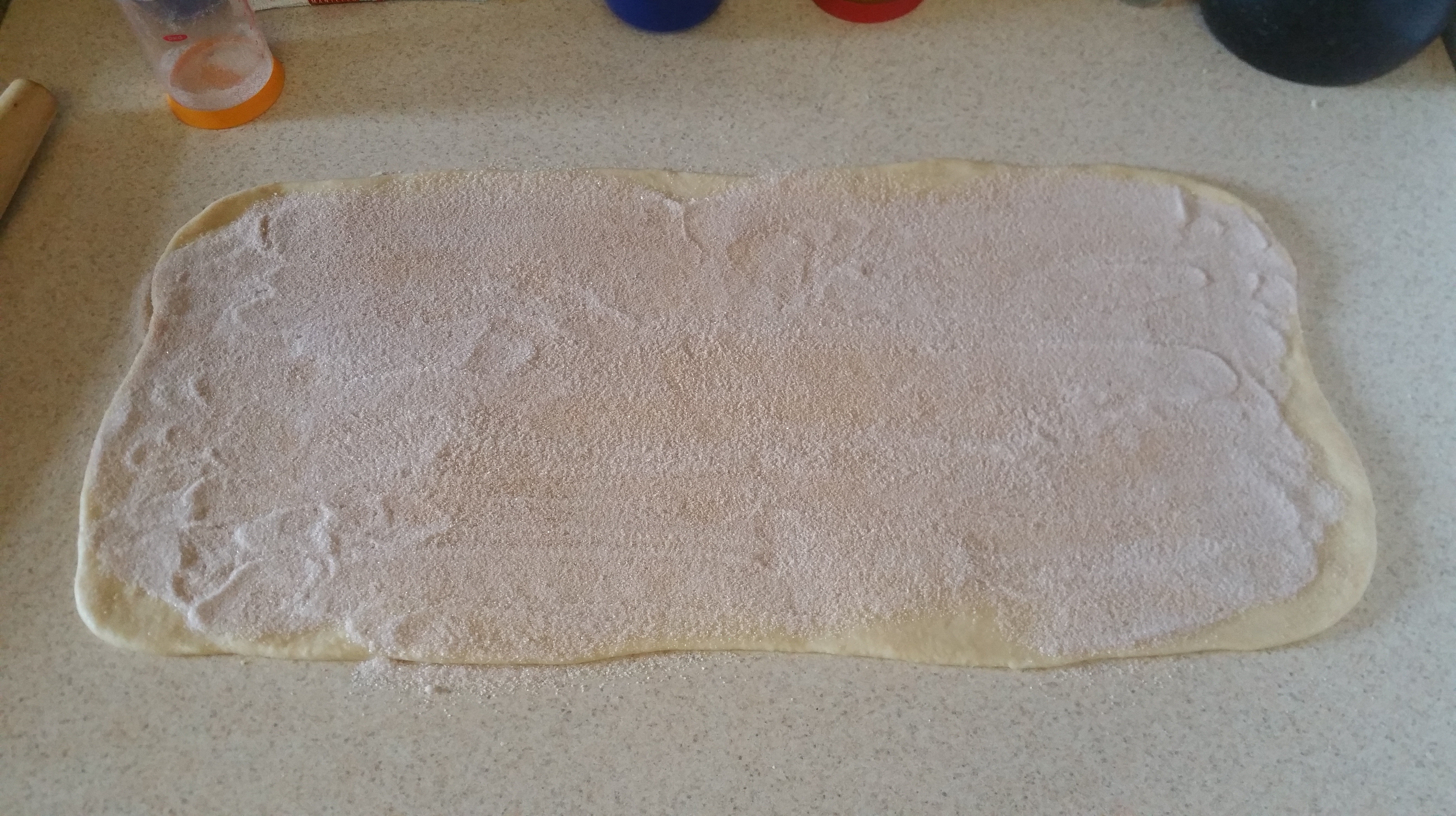
Combine the cinnamon and sugar and then sprinkle the dough with the mixture.

Roll the dough up lengthwise into a log and pinch the seam closed. Place the seam side facing down.

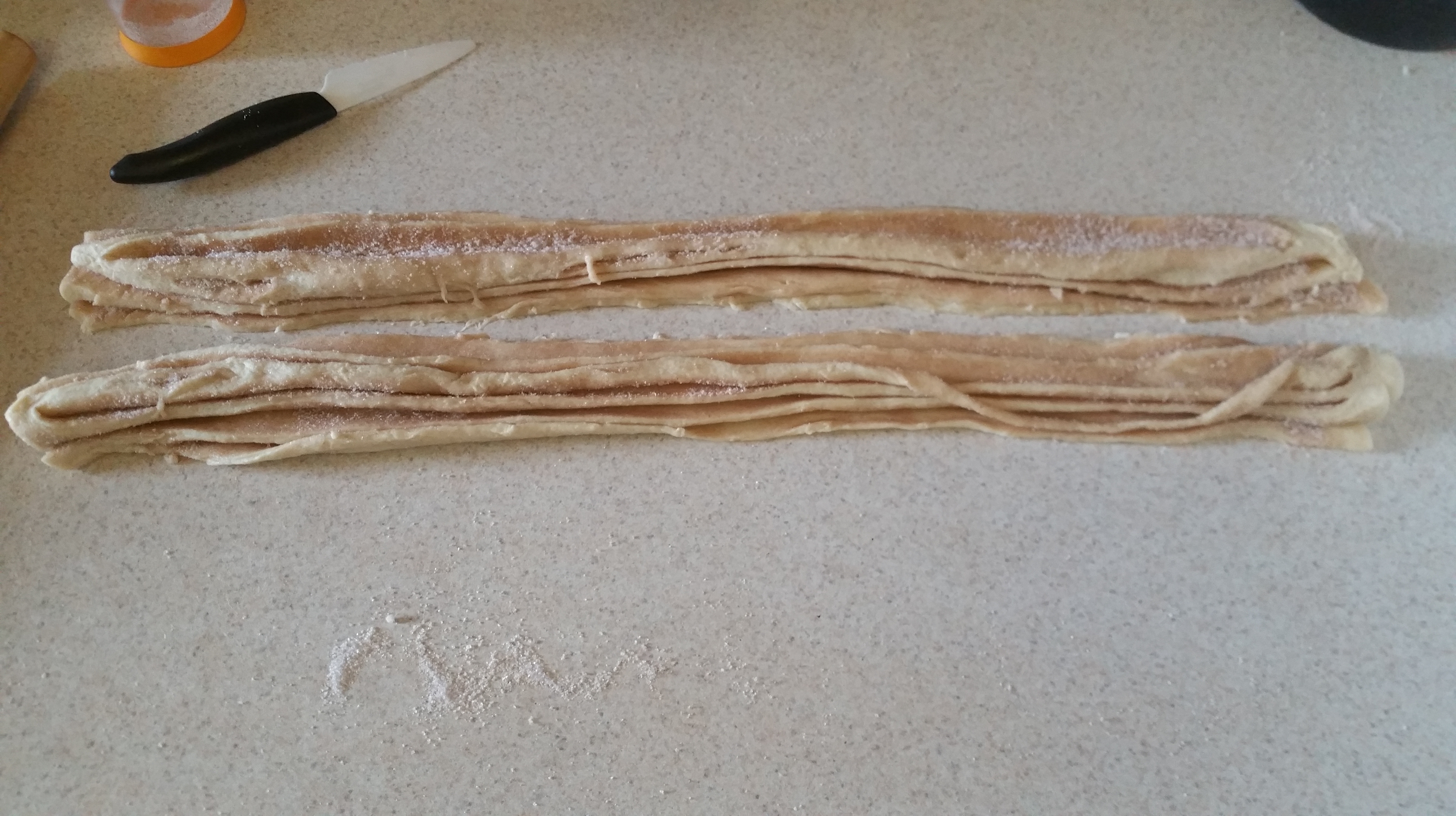
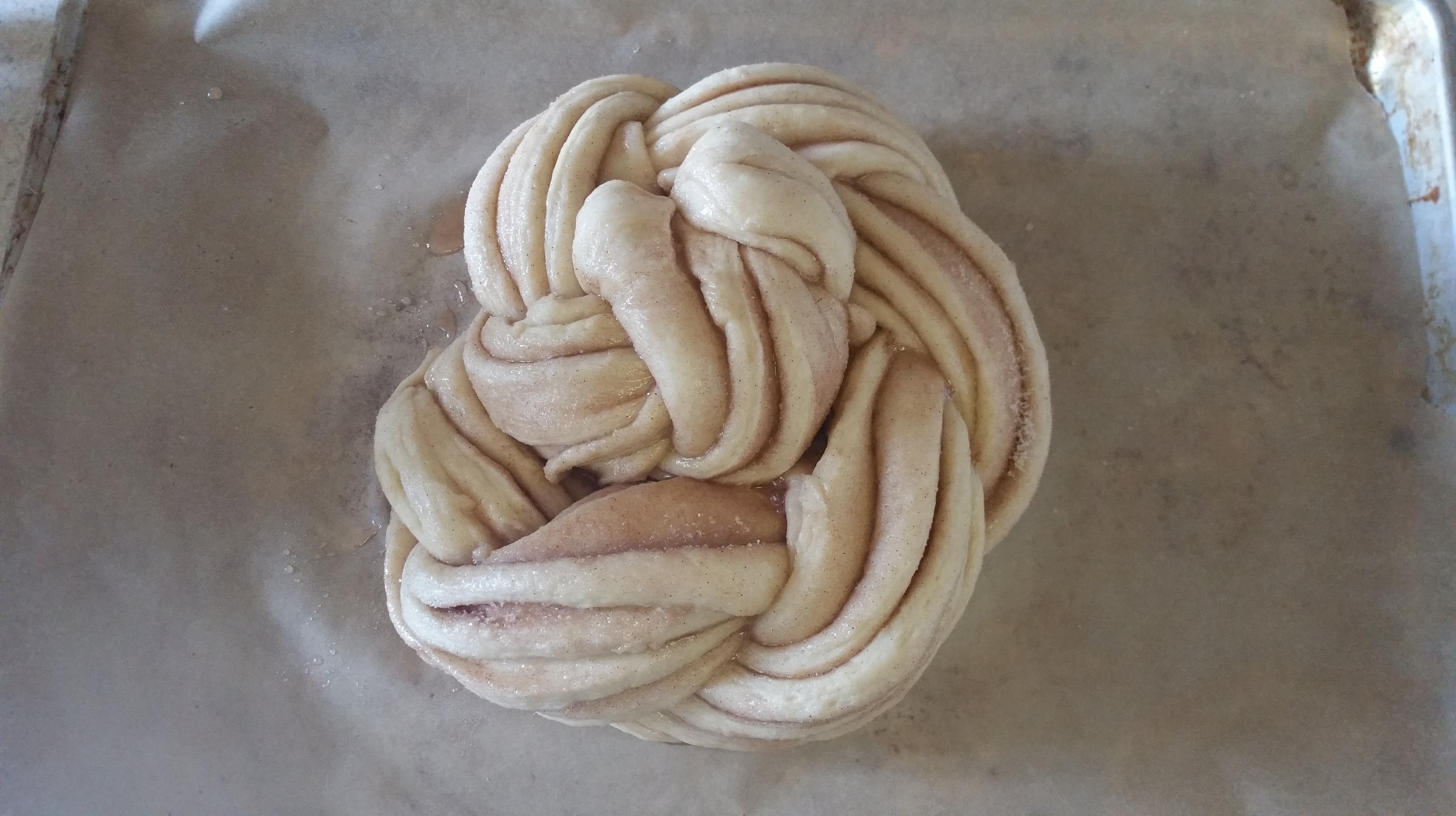
Using a sharp knife, cut the log in half lengthwise and leave the cut sides facing up. You may have to do a little pinching to make the ropes easier to handle. As you can see, there might be an errant rope or two. Just do your best! It won’t matter in a moment.

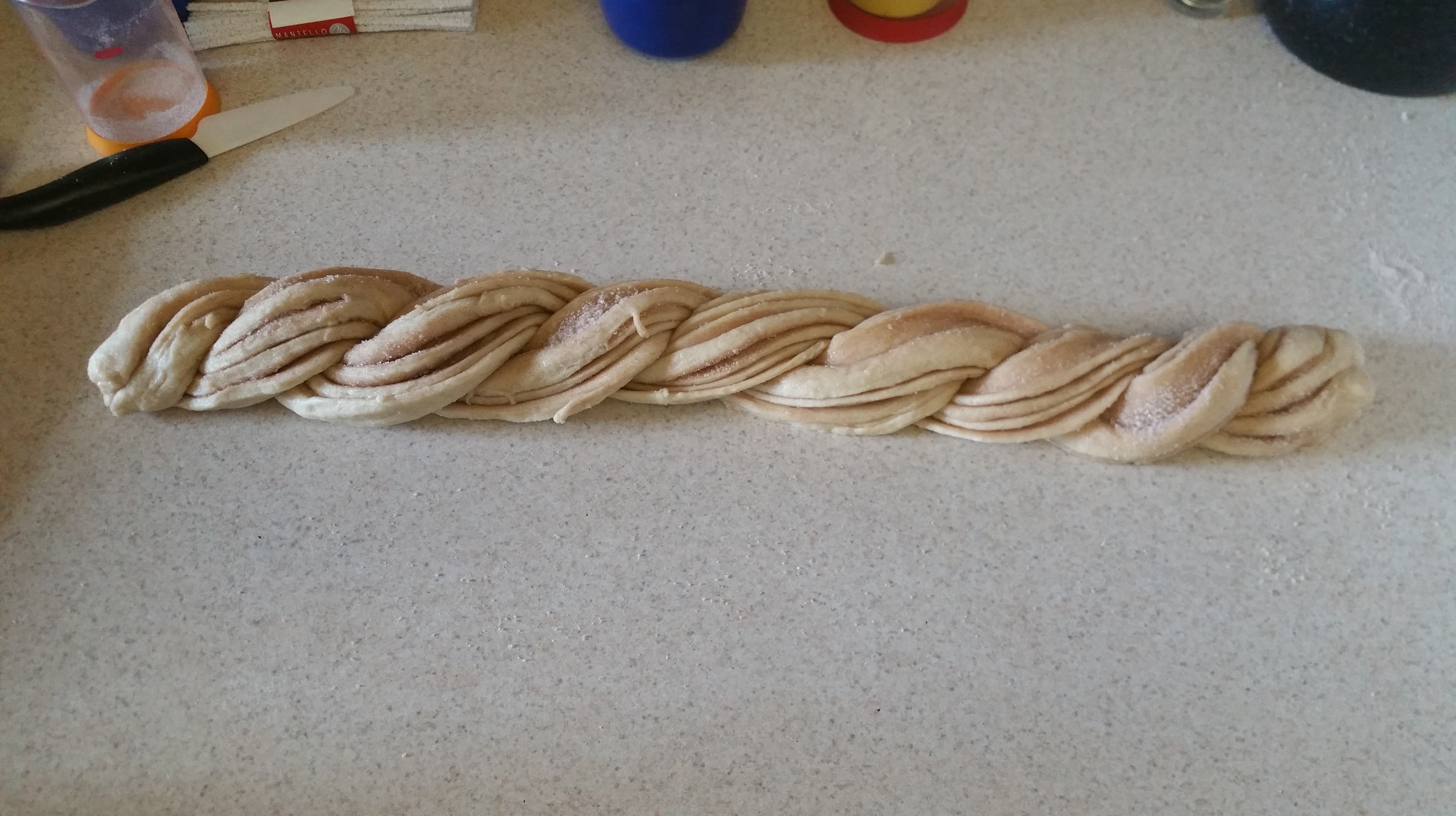
Cross the ropes in the middle and then twist tightly, keeping the cut sides facing up as best you can. Pinch the ends of the ropes.

Form the twisted rope into a coil and tuck the end underneath. Then transfer the bread to a parchment-lined baking sheet.

Cover the bread with a clean towel or lightly with oiled plastic wrap and allow it to rise for 45 minutes to an hour, or until it is noticeably puffy.

While the bread is rising, preheat the oven to 400 degrees F.

Once the bread has risen, remove the towel or plastic wrap, sprinkle with 1 tbsp. sugar, place it in the oven, and bake for 30-35 minutes, or until deep golden brown. Check the bread half-way through baking. If it is browning quickly, tent the loaf with a piece of aluminum foil to prevent over-browning. The internal temperature of the finished loaf should be 190-200 degrees F if you have a thermometer handy.

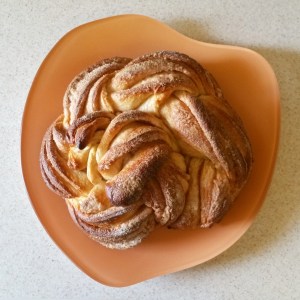
The bread has a soft, pillowy interior with a crisp crunch on the outside from the sugar on top. It’s not too sweet either, just enough to compliment the spicy notes from the cinnamon. It’s a wonderful accompaniment to a cup of coffee or tea.

Sometimes you don’t need a recipe to tell you what to do. Go your own way from time to time and see what happens. Even if the experiment fails spectacularly, it’s giving you information to learn from, and that’s the only way to get good at anything: Learn, learn, learn and grow, grow, grow.

Ciao for now,

Neen
The Perfect Prize: Pan Pizza

28 Aug

It doesn’t take knowing me very long to realize that I’m kind of a nerd, a title I wear with pride. Let’s be real, I went to graduate school for library and information science, so reading and research are my jam. I’d say that a lot of this stems from having parents who read to me and who encouraged me to read from a young age.

One of the perks of being a kid who already LOVED to read was Book It!, a program that Pizza Hut has been running since 1984 to promote literacy. When I was a kid, you’d receive a badge and for every book you read, you’d get a sticker to put on it. Once it was full, you could present the completed badge at a Pizza Hut and get a free personal pan pizza. And man, was that an awesome reward in my mind. I loved those little pan pizzas. They were thick, super cheesy, and had awesome crispy edges from the cast iron pans they were baked in. I remember my cousins and I nearly emptying the shakers of parmesan cheese onto our pizzas and gleefully devouring them as we contemplated how to convince our parents to give us more quarters for the arcade machines in the front of the restaurant.

Adult-me still loves books (especially cookbooks!) and definitely still loves pizza. But I have my own beloved cast iron pan now, and my love of reading and research have most certainly led me to learn how to make that cheesy, chewy, crispy delight right in my own kitchen. And with a husband who has an extensive collection of video games, I don’t even need quarters to play games while I wait for my pizza.

Want to make one? Here’s how!

Pan Pizza

Dough:

  • 1 ¾ – 2 cups bread flour
  • ¾ cup warm (110-115 degrees F) water, divided
  • 2 ¼ tsp. active dry yeast
  • 2 tsp. olive oil
  • 1 tsp. kosher salt

Sauce:

  • One 15 oz. can tomato sauce
  • 1-2 cloves garlic, minced
  • 3 tsp. dried herbs (I like a mix of parsley, oregano, and basil)

Toppings:

  • 9 oz. shredded mozzarella cheese
  • Whatever you like on your pizza!

Pan:

  • 2 tbsp. olive oil
  • 8-10 in. cast iron skillet

Begin by making the pizza dough.

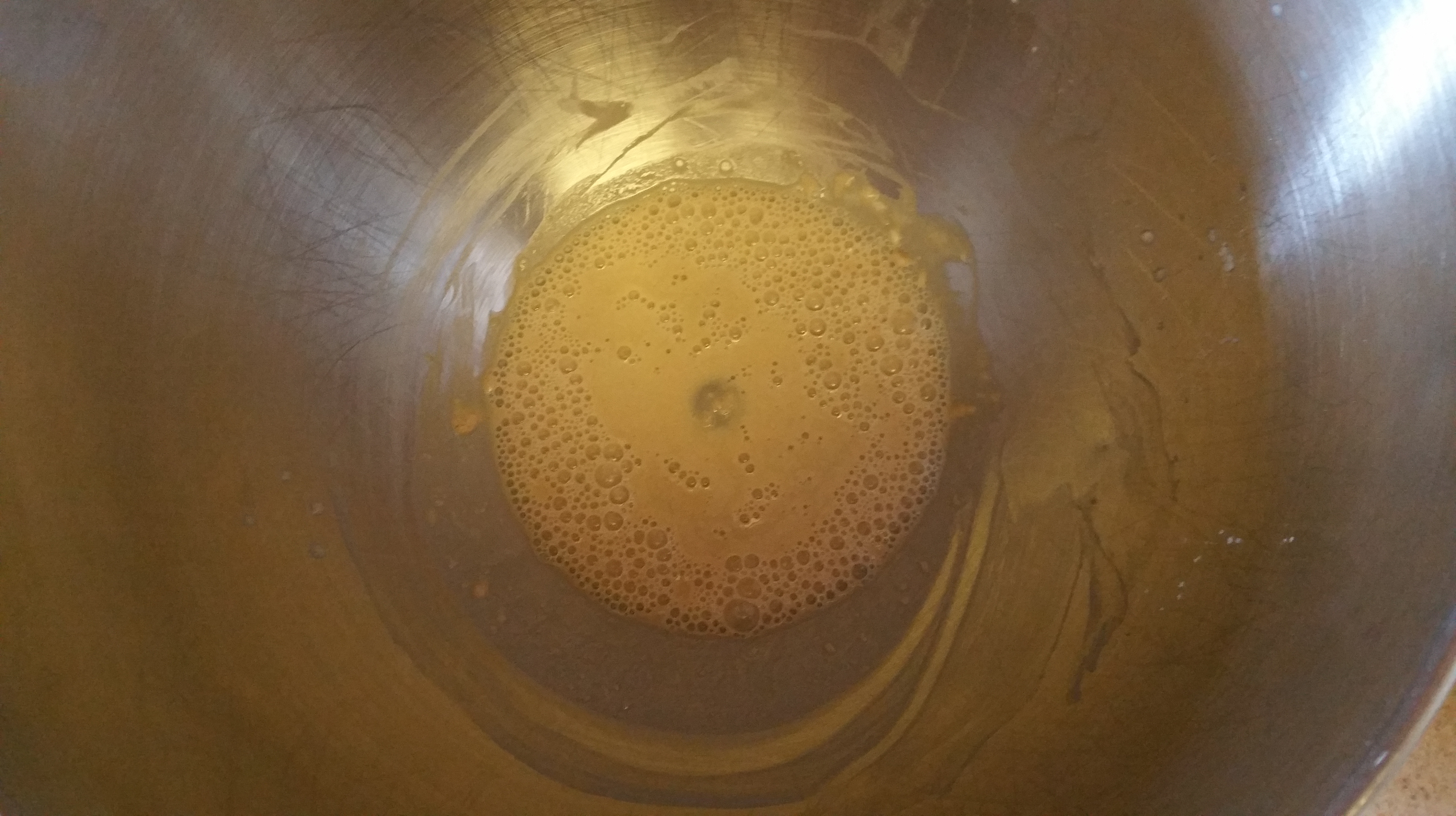
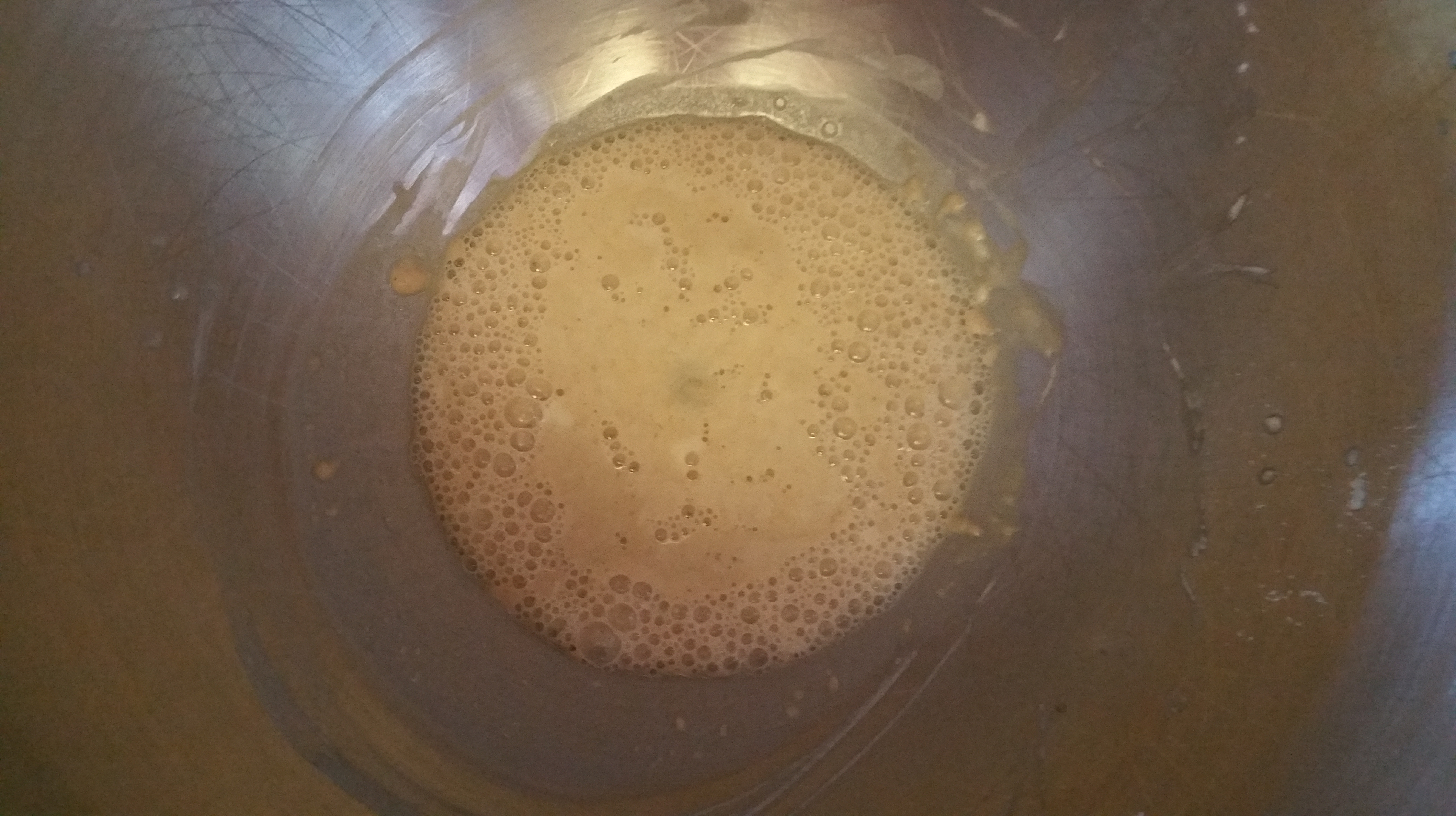
Combine 1 tbsp. of the flour, ¼ cup of the water, and the yeast in the bowl of a stand mixer and let sit for about 5 minutes, or until foamy.

Add the remaining 1/2 cup water, 2 tsp. olive oil, and salt and stir to combine.

Slowly add the flour ½ cup at a time until the dough pulls away from the side of the bowl.

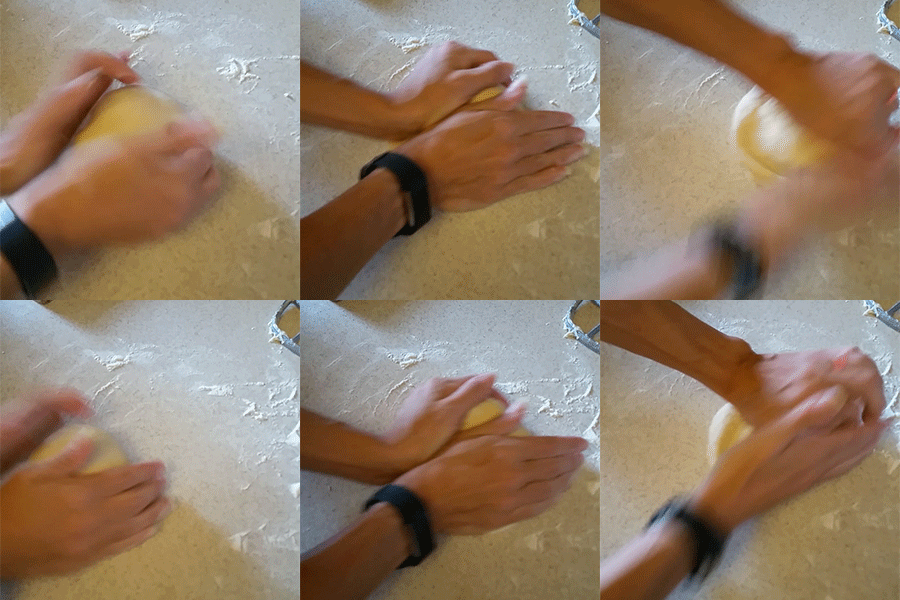
Turn the dough out onto a lightly floured surface and knead until it is smooth and elastic.

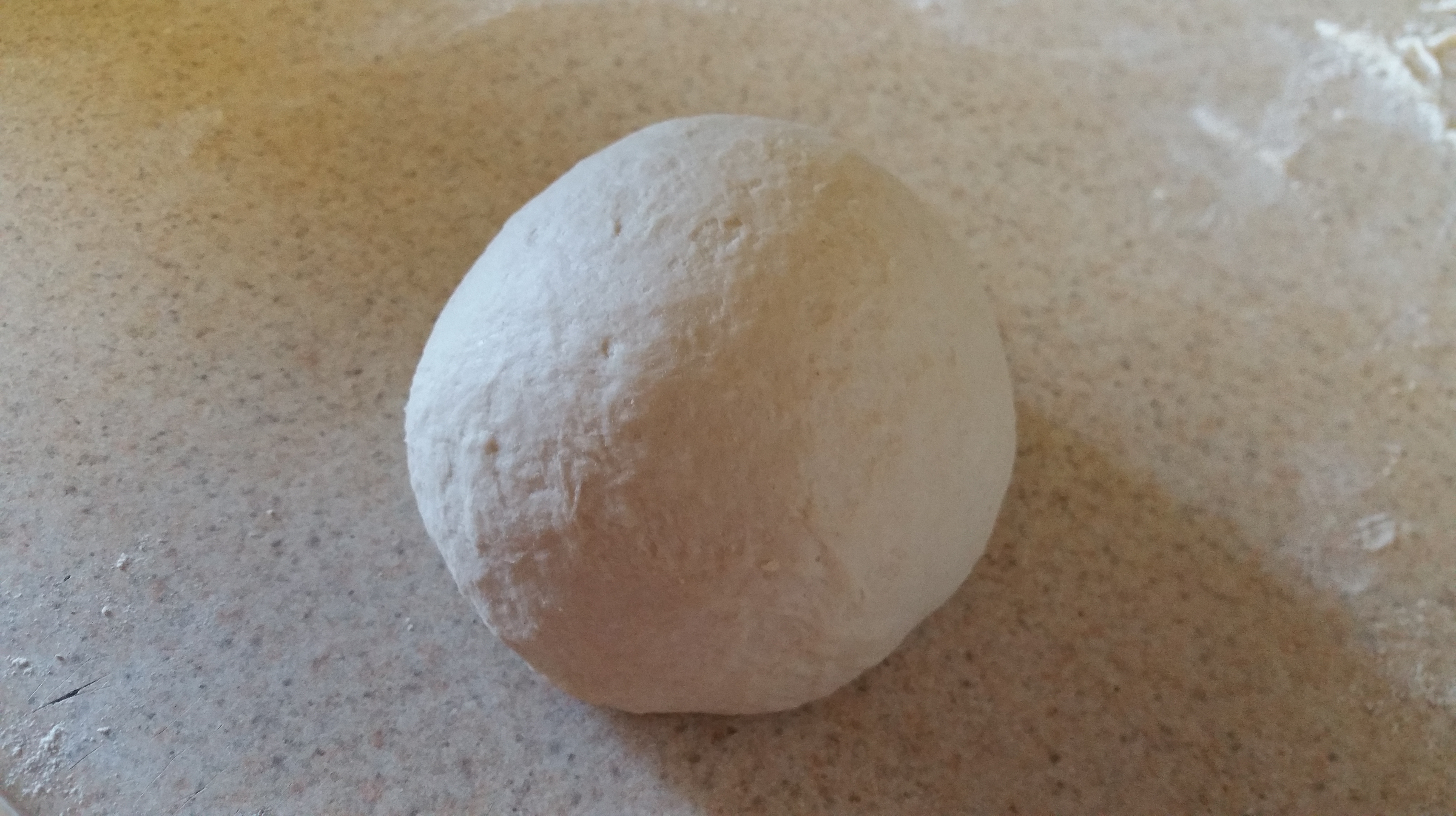
Roll into a tight ball and then place in an oiled bowl, turning to coat in the oil.

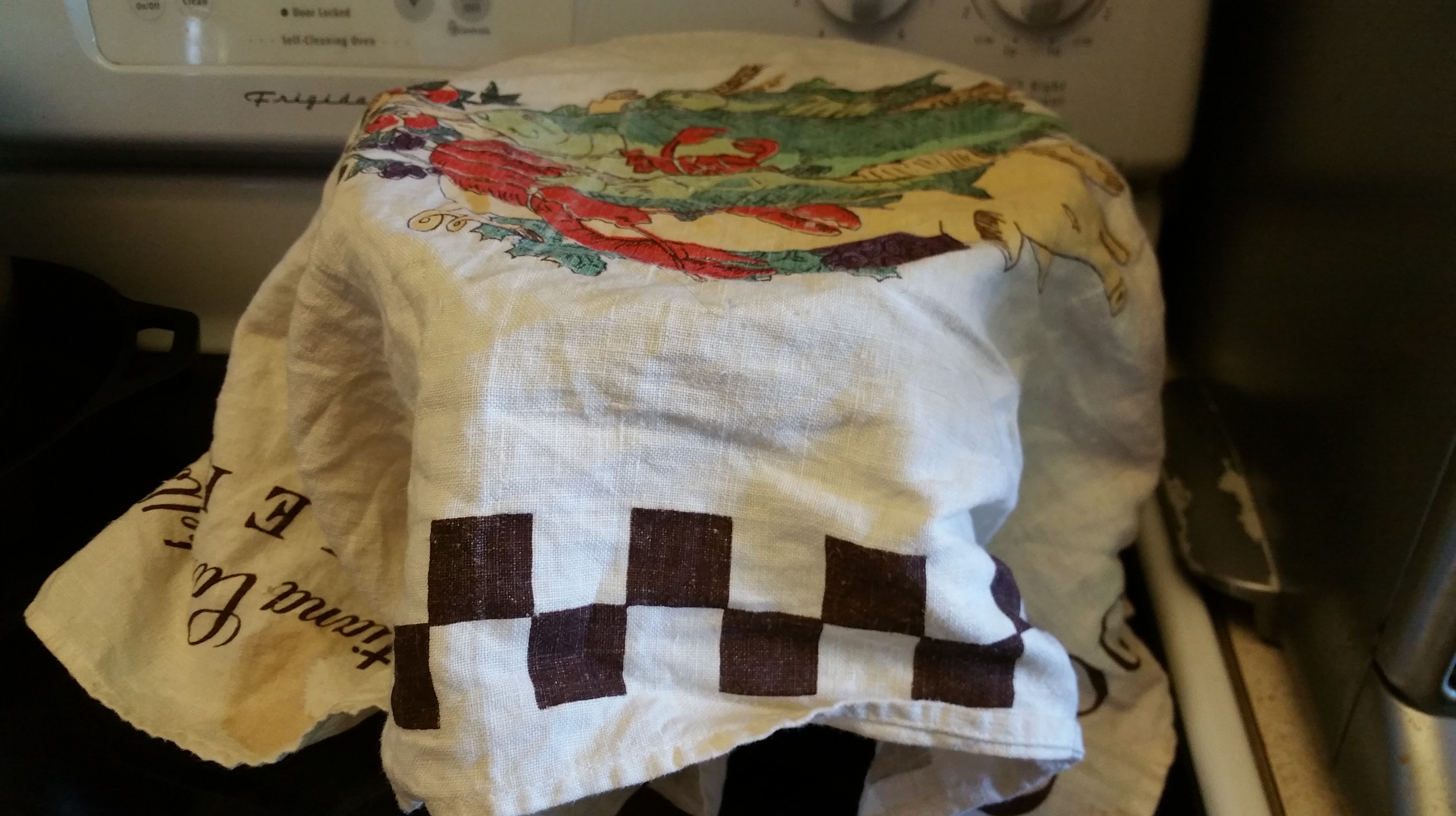
Cover the bowl with a clean towel or loosely with plastic wrap and place in a warm area until the dough ball doubles in size. It will take about an hour.

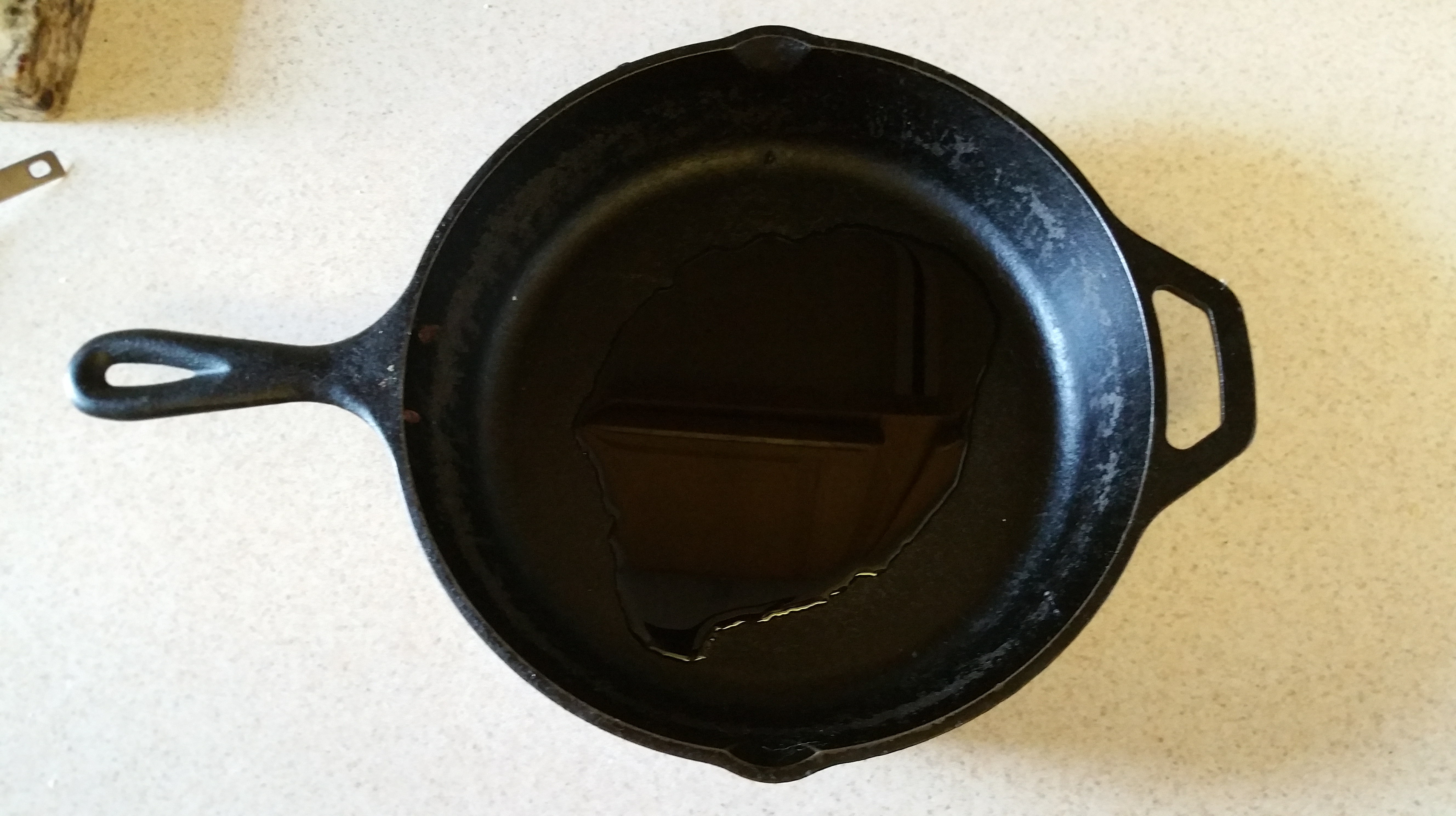
Pour 2 tbsp. of olive oil into the cast iron pan. Place the risen dough on top and then stretch it to the edges of the pan. Cover the pan with a clean towel or loosely with plastic wrap and allow the dough to rise for 2 hours.

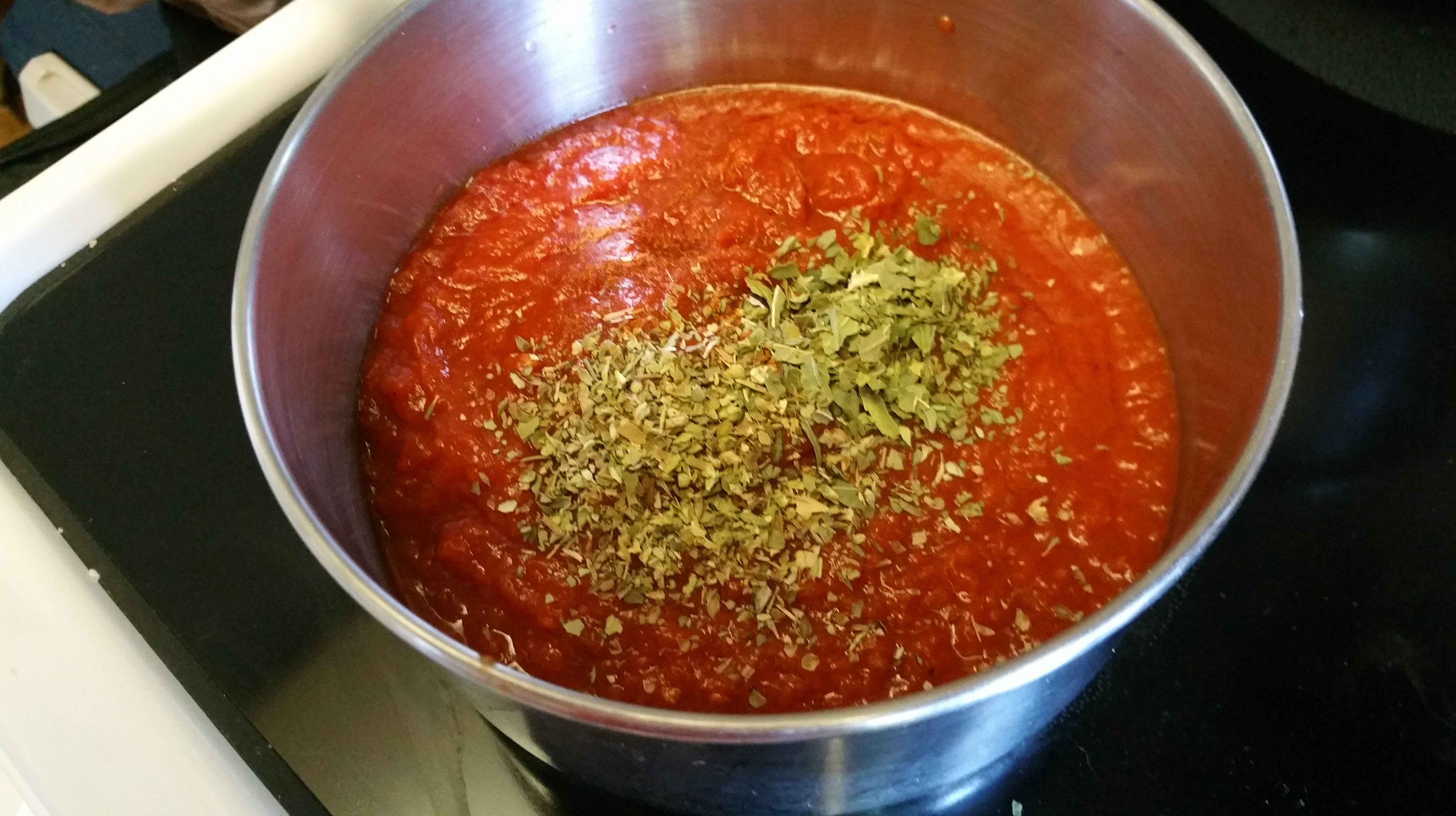
While the dough is rising, prepare the sauce. Combine all of the ingredients in a small saucepan over medium-low heat and simmer for 20 minutes. Set aside.

Preheat the oven to 550 degrees F.

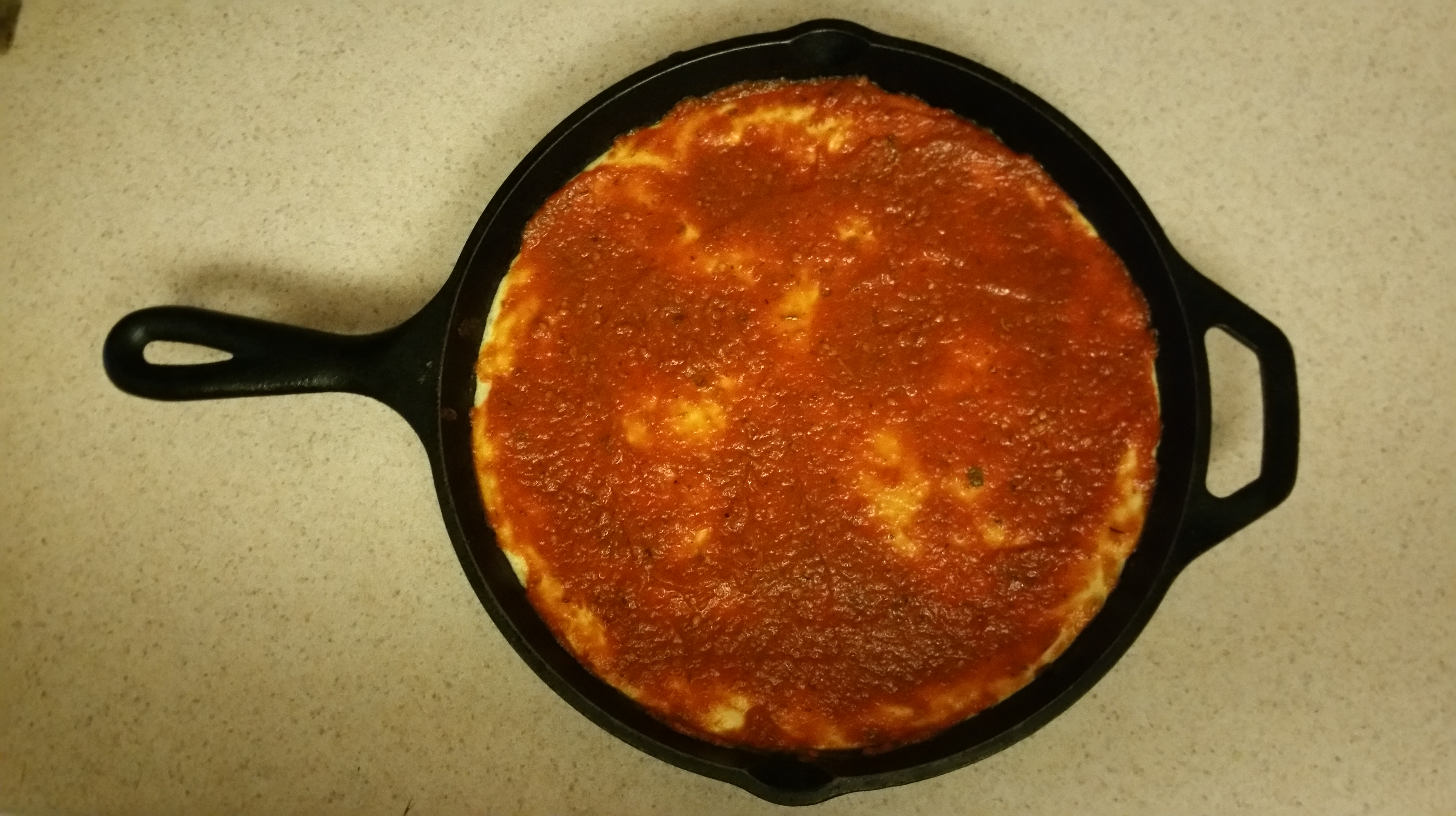
Lightly press down on the dough in the pan to remove any large air bubbles, and then spread the sauce on top, going all the way to the edges.

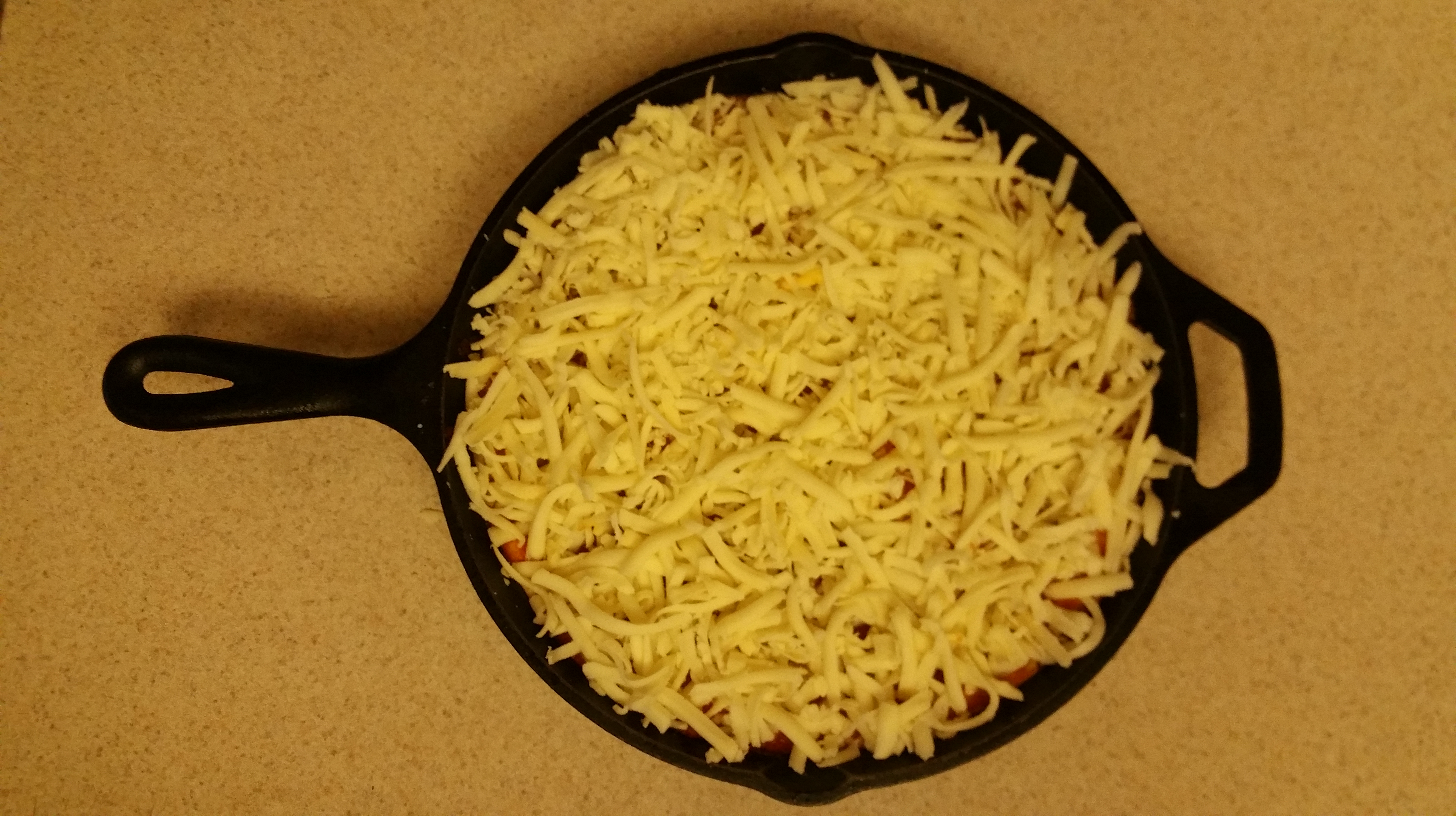
Top with the cheese and any other toppings you might wish to add.

Bake the pizza for 15 minutes and then carefully remove from the oven and then cook on the stove top over high heat for 1 minute.

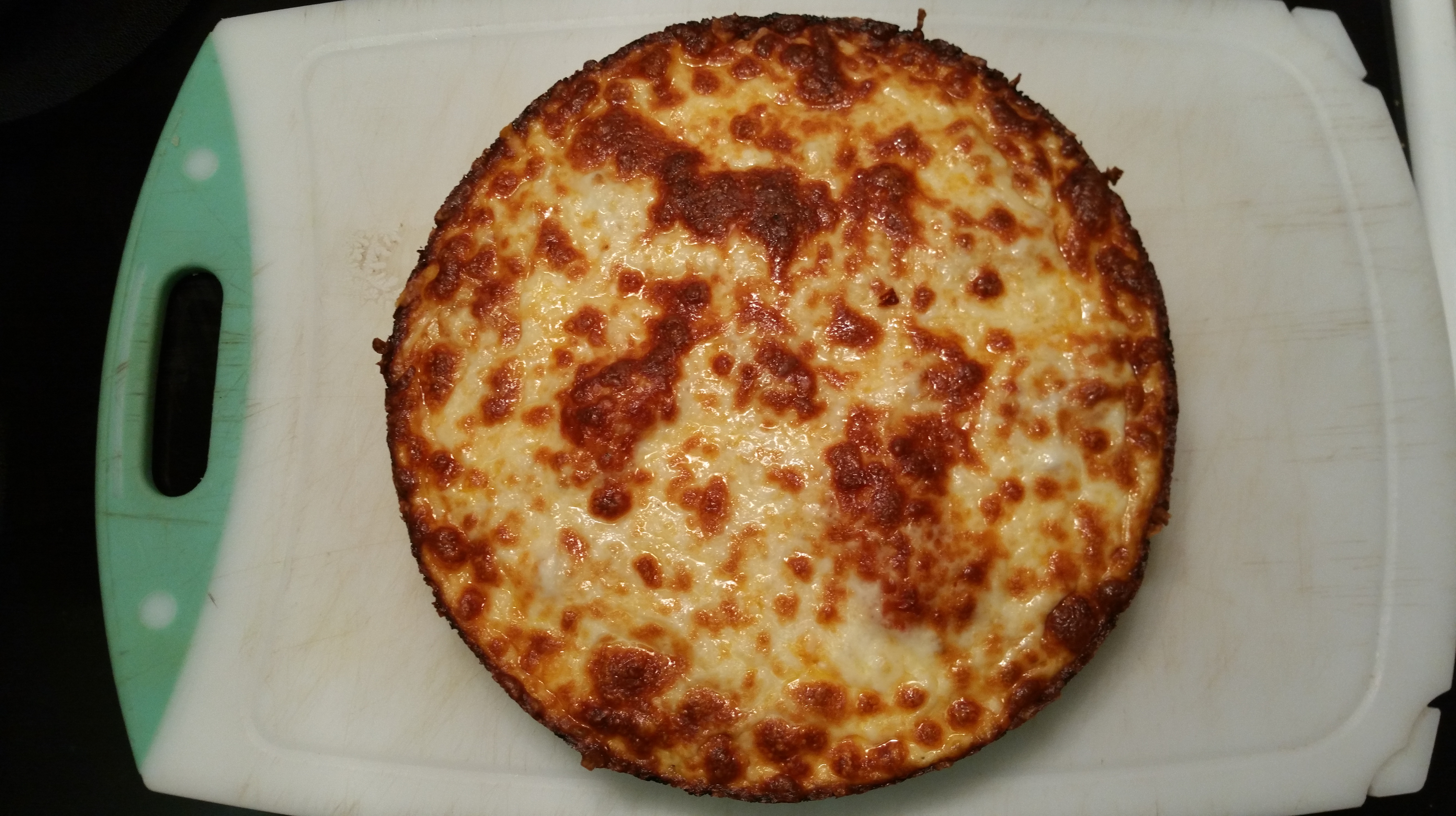
Just look at that cheesy goodness:

To remove the pizza from the pan, run a knife or palette knife around the edges, and then use a large palette knife, tongs, or a spatula to lever it out of the pan and onto a cutting board.

Allow the pizza to rest for 2-3 minutes before slicing.

The crust is thick and chewy with crisp edges from the olive oil and high heat, and the cheese is beautifully broiled on top and gooey underneath. It’s a little decadent and a LOT delicious.

It just goes to show that if you bury your nose in a cookbook (or many), you too can always relish the rewards of reading.

Ciao for now,

Neen

Overnight Success: Dreamy, Creamy Mascarpone Cheese

27 Aug

I have a tendency to over-buy ingredients. It’s this paranoid fear that I’m going to screw up a recipe, so I want to have enough of something on hand to restart the process if that happens. With pantry items, that’s not a problem, but with perishables it sometimes leaves me scrambling to think of what to do. When I was making candy recently, I ended up with several cups of leftover heavy cream and didn’t want it to go to waste.

Then I realized WOW, it’s been a long time since we made cheese together. Shame on me, because homemade cheese is extra fantastic and in a lot of cases does not require any sort of special equipment or ingredients. Ricotta, for example, can be made in under an hour with just milk, buttermilk, and a piece of cheesecloth. Make some lasagna with that and you might never want to go back to store-bought again.

While many cream-based cheeses require starters, mascarpone, Italy’s excellent cream cheese, requires little more than some heavy cream, powdered milk and a lemon to create. A cream cheese is a wonderful blank slate with all sorts of applications. Your time at the stove will be quick, I promise. It does have to set in the refrigerator for at least 8 hours, so start this one early in the morning or the day before you want to use it.

Mascarpone Cheese

  • 2 cups heavy whipping cream
  • 1/3 cup nonfat dry milk powder
  • Juice from one lemon (about 3-4 tbsp.)
  • Colander lined with a double layer of cheesecloth
  • Candy thermometer, probe thermometer, or instant read thermometer
  • A metal spoon

Whisk the heavy cream and milk powder together in a heavy-bottomed saucepan over low heat. Attach your thermometer and slowly bring the mixture to 180 degrees F, stirring regularly to prevent scorching.

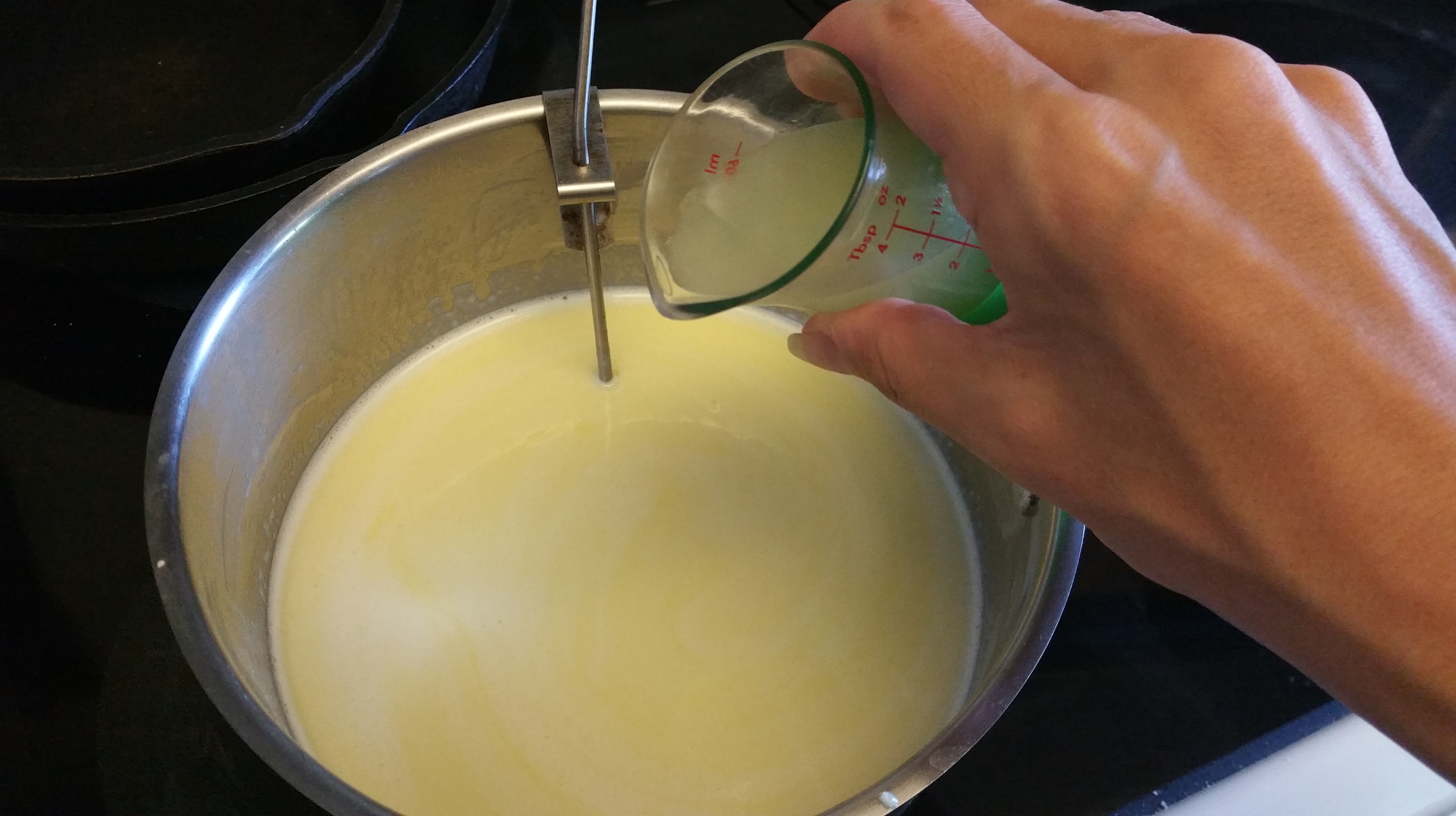
Once the desired temperature is reached, remove the pan from the heat and switch to using the metal spoon if you are not doing so already. Stir in half of the lemon juice.

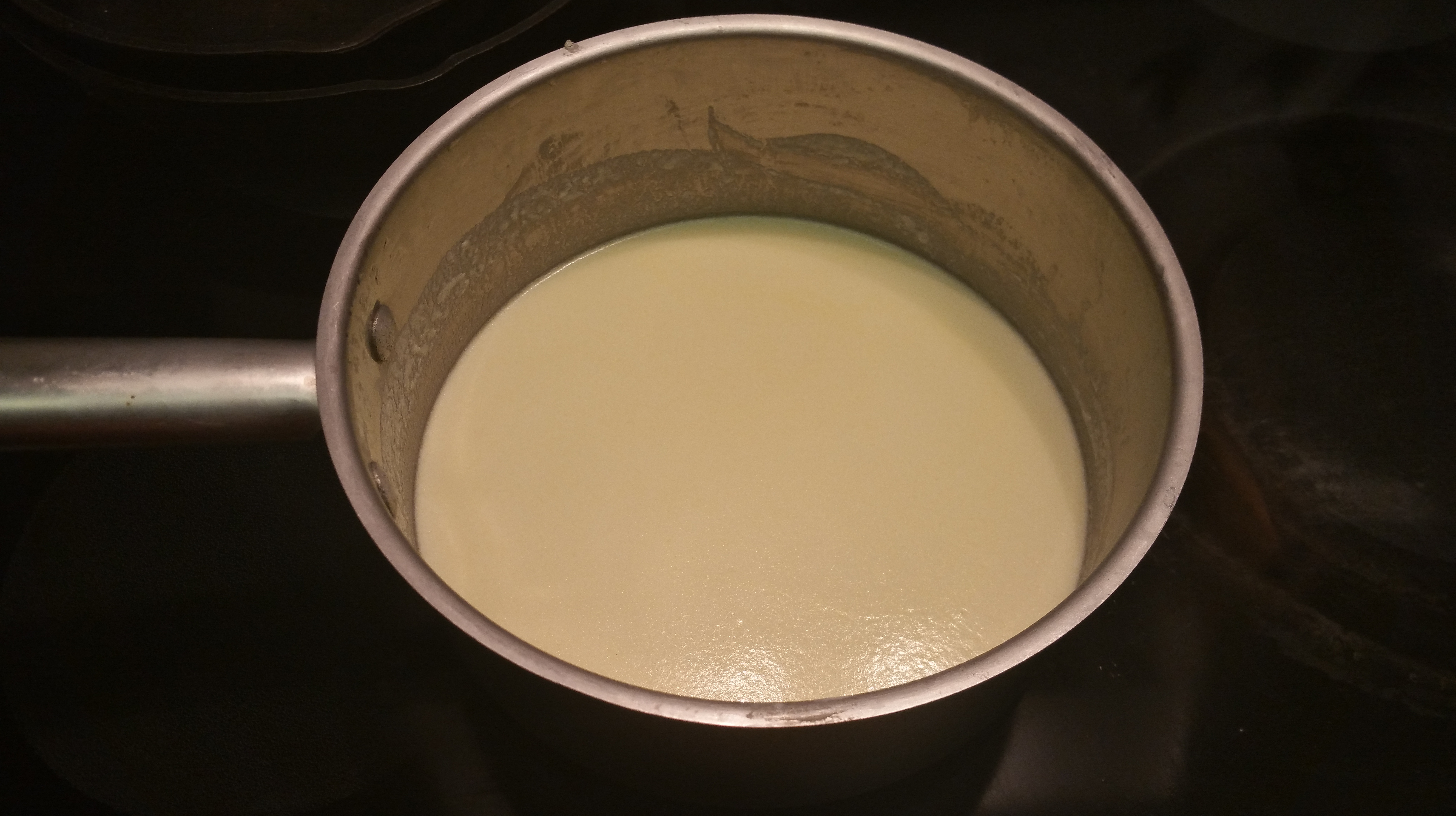
You will not see large curds separate from the whey, rather the mixture will begin to thicken. Watch for it to coat the back of the spoon and for some specks of solids appear in the mixture.

Add the remaining lemon juice and stir to combine. Cover the pot and refrigerate for 8 hours or overnight.

Once the mixture is firm to the touch, you are ready for the final step.

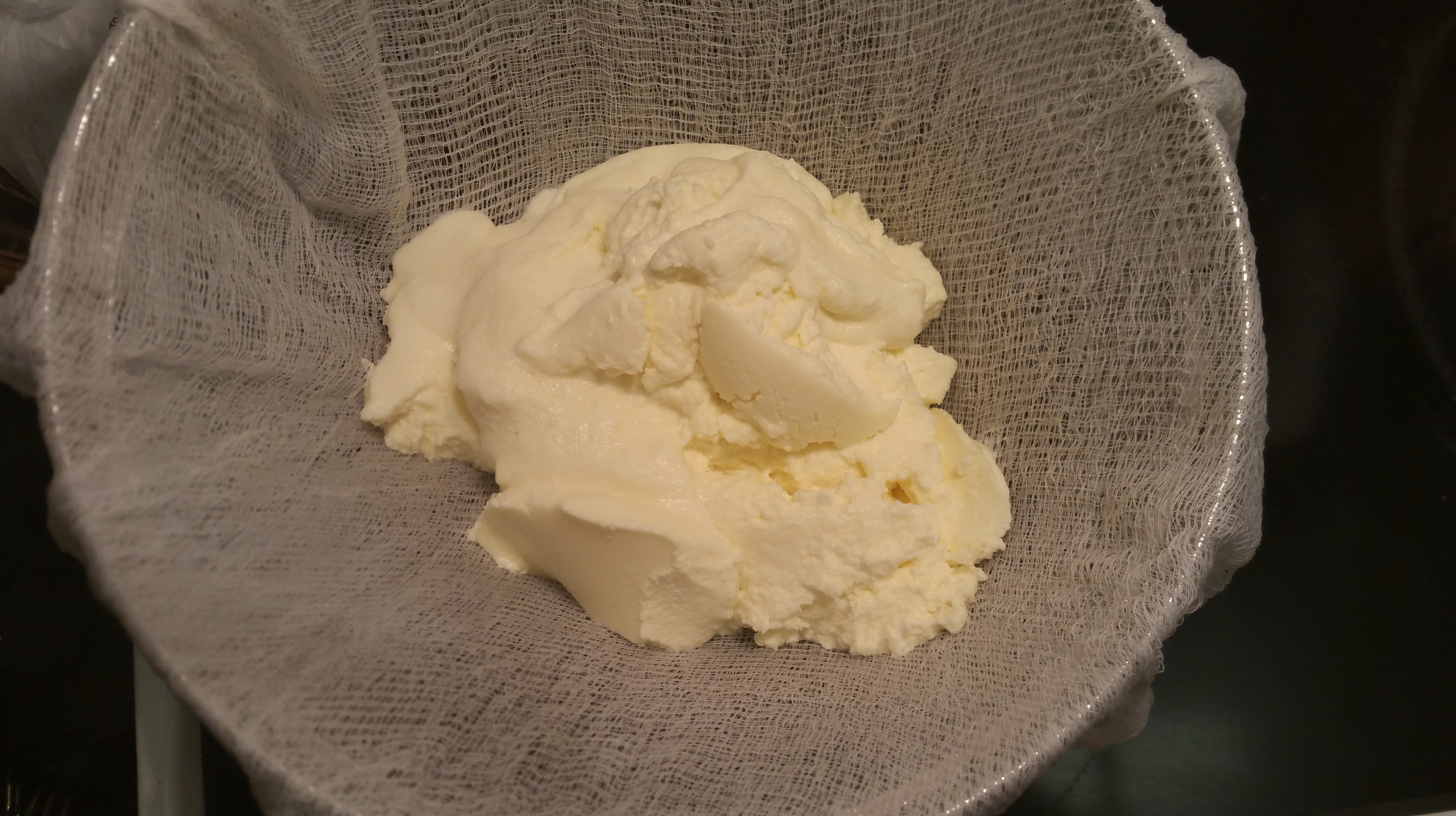
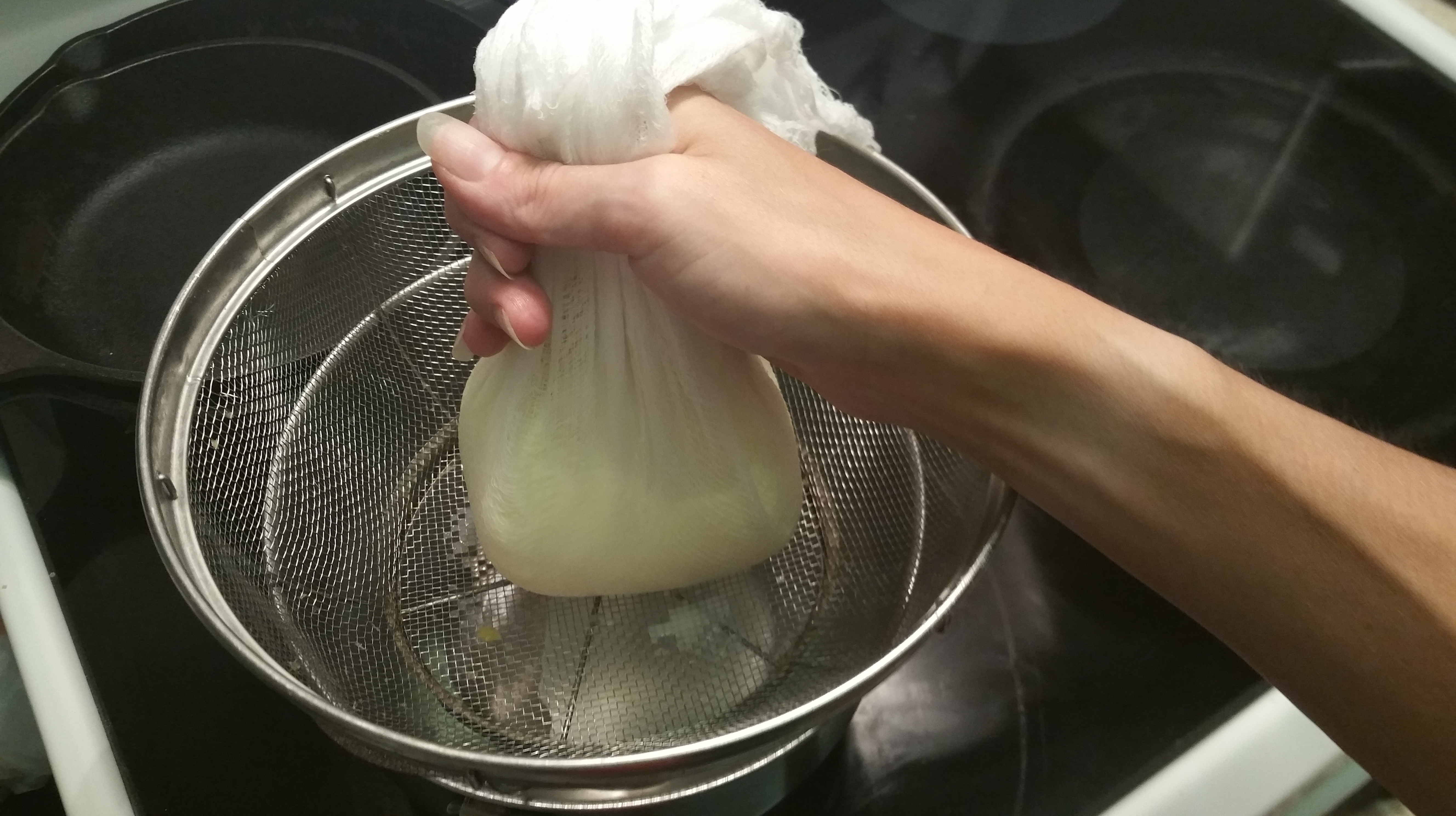
Dampen the cheesecloth and line the colander with it. Transfer the cheese to the cheesecloth-lined colander, pull the ends together, and squeeze firmly to remove the excess moisture. This will make the cheese thick and spreadable.

The mascarpone is ready to use, hooray! This recipe yields about 12 oz. of cheese.

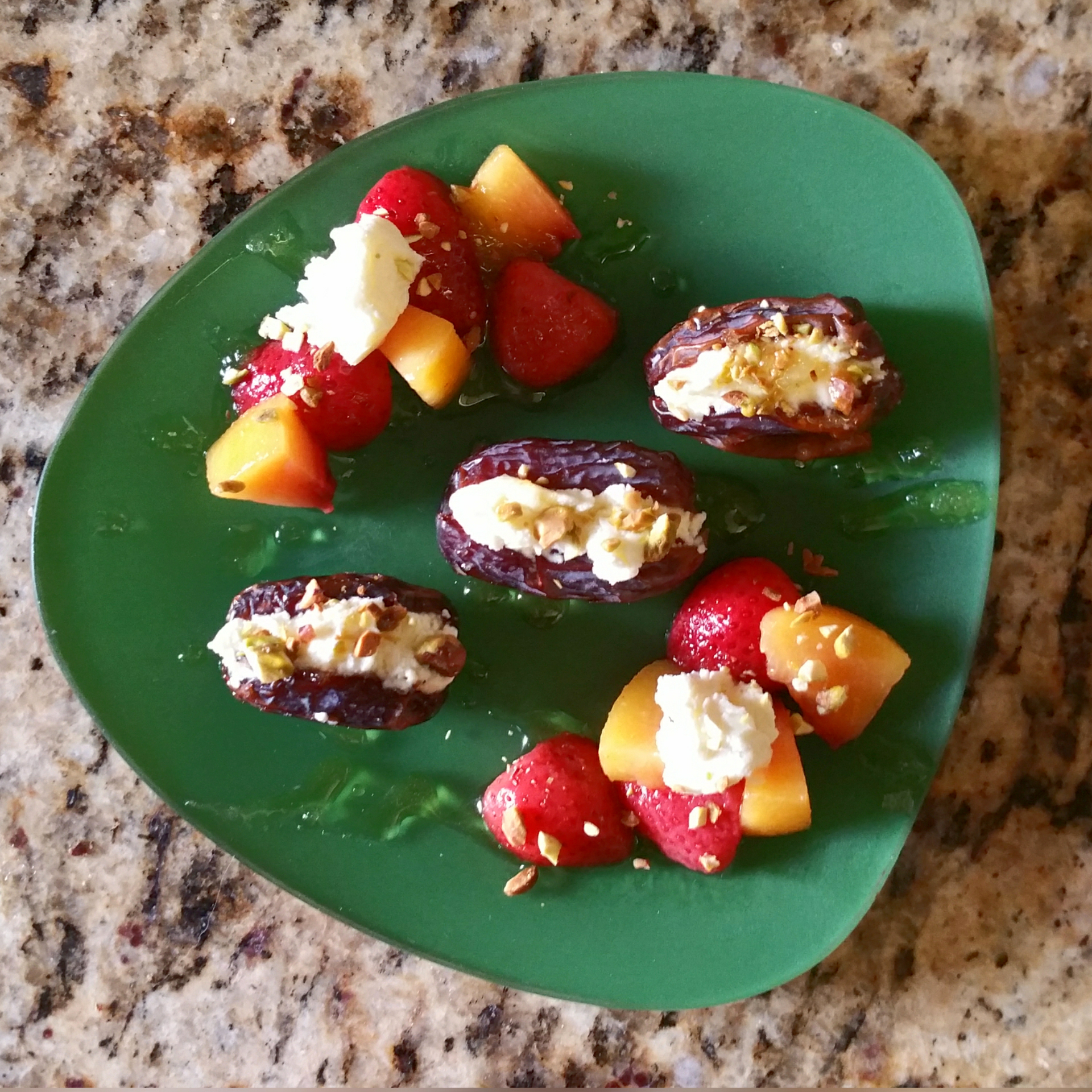
While the most common application is tiramisu, mascarpone is great spread on toast, mixed into sauces, served with fruit, or even stirred in to finish risotto. You can also sweeten it and use it for cheesecakes, cake fillings, or as a substitute for whipped cream on top of cake or pie. So many uses you’ll probably want to make more. My favorite application is mascarpone-stuffed medjool dates with crushed pistachios, honey, and fruit. YUM.

If you aren’t going to use the cheese immediately, store it in a well-sealed container in the refrigerator and use within a week. With a few simple ingredients and some time, you’ll have enough on hand to play however you like.  Creamy, soft, and just a little bit lemony, it’s a treat you don’t want to miss.

Ciao for now,

Neen
Chairs and Fairs: Nut and Coconut Pie Bars

26 Aug

My yoga practice has changed a lot this year. One of the places I have found comfort, support, and joy is my weekly chair yoga class at Mind the Mat in the Del Ray neighborhood of Alexandria.  The teacher and all of the students could not have been more welcoming when I joined, and I was so grateful to find a practice that allowed me to appreciate my body and mind for the first time in months.
So of course, when I had a kitchen table full of baked goods the week before the Arlington County Fair, I opted to share them with the group. After all, the judges only needed six pieces of each submission (aside from the pies, which had to be presented whole). One of the categories I entered was for bar cookies, and the ones I made were honestly the result of having some leftover odds and ends to use up after candy and pie making. Well, I must have stumbled upon something great, because not only did they win a blue ribbon(!) for the bar cookie category, my chair yoga classmates loved them and gently requested that I share the recipe here. So without further ado…

Nut and Coconut Pie Bars

Crust:

  • 1 cup all-purpose flour
  • 1/4 tsp. kosher salt
  • 1/4 cup powdered sugar
  • 8 tbsp. unsalted butter, cold

Filling:

  • 6 tbsp. unsalted butter, melted and cooled
  • 2/3 cup brown sugar
  • 1 large egg
  • 1 large egg yolk
  • 1/4 tsp. kosher salt
  • 1 tsp. vanilla extract
  • 6 tbsp. all-purpose flour
  • 1 cup toasted chopped nuts (I used ½ pecans and ½ walnuts)
  • ½ cup toasted shredded coconut

Preheat the oven to 350°F and line an 8×8 in. baking pan with parchment paper.

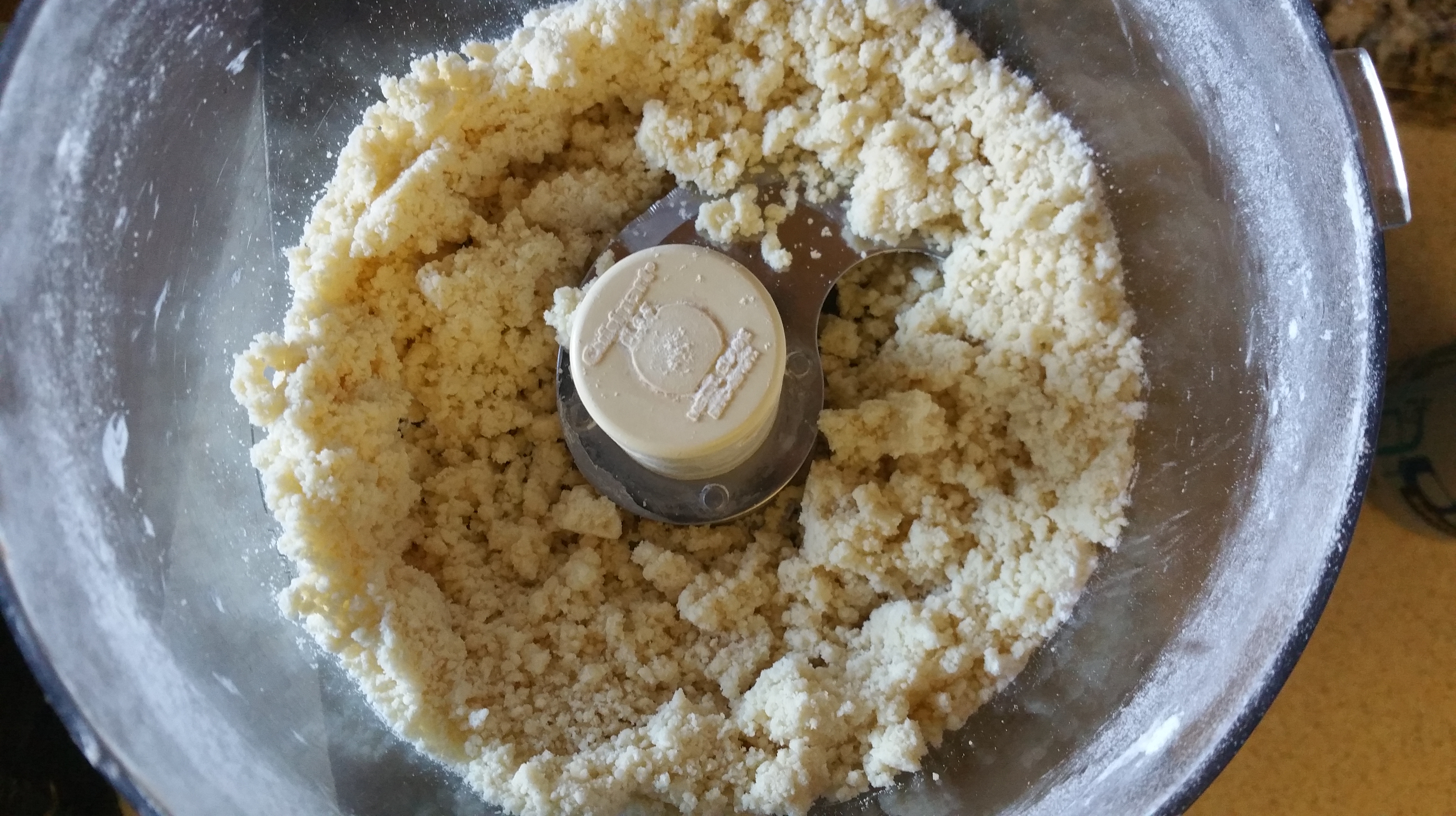
Begin by making the crust. Combine the flour, salt and sugar in the bowl of a food processor. Cut the butter into chunks and add it to the bowl, then run the machine until the mixture forms large clumps.

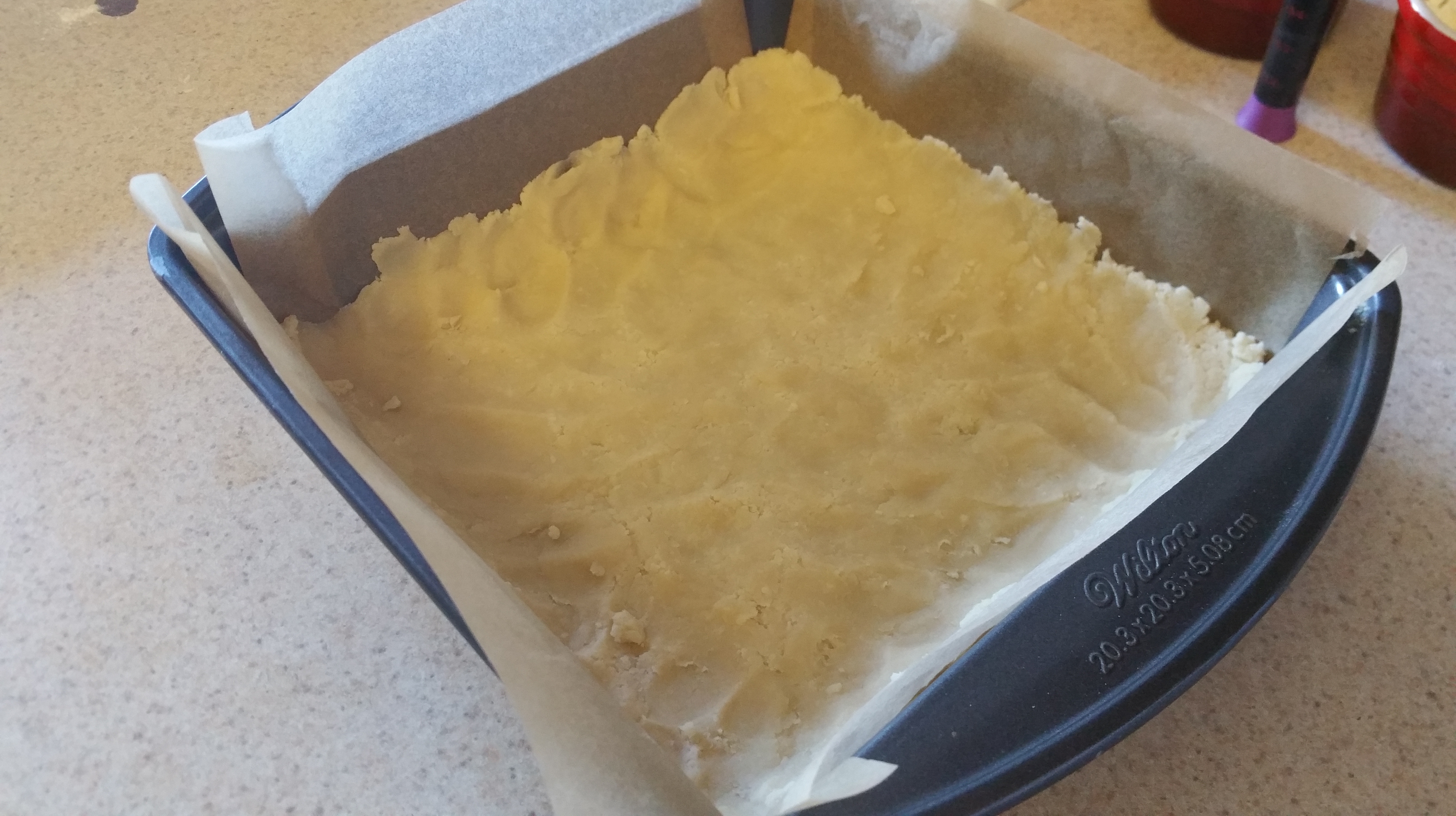
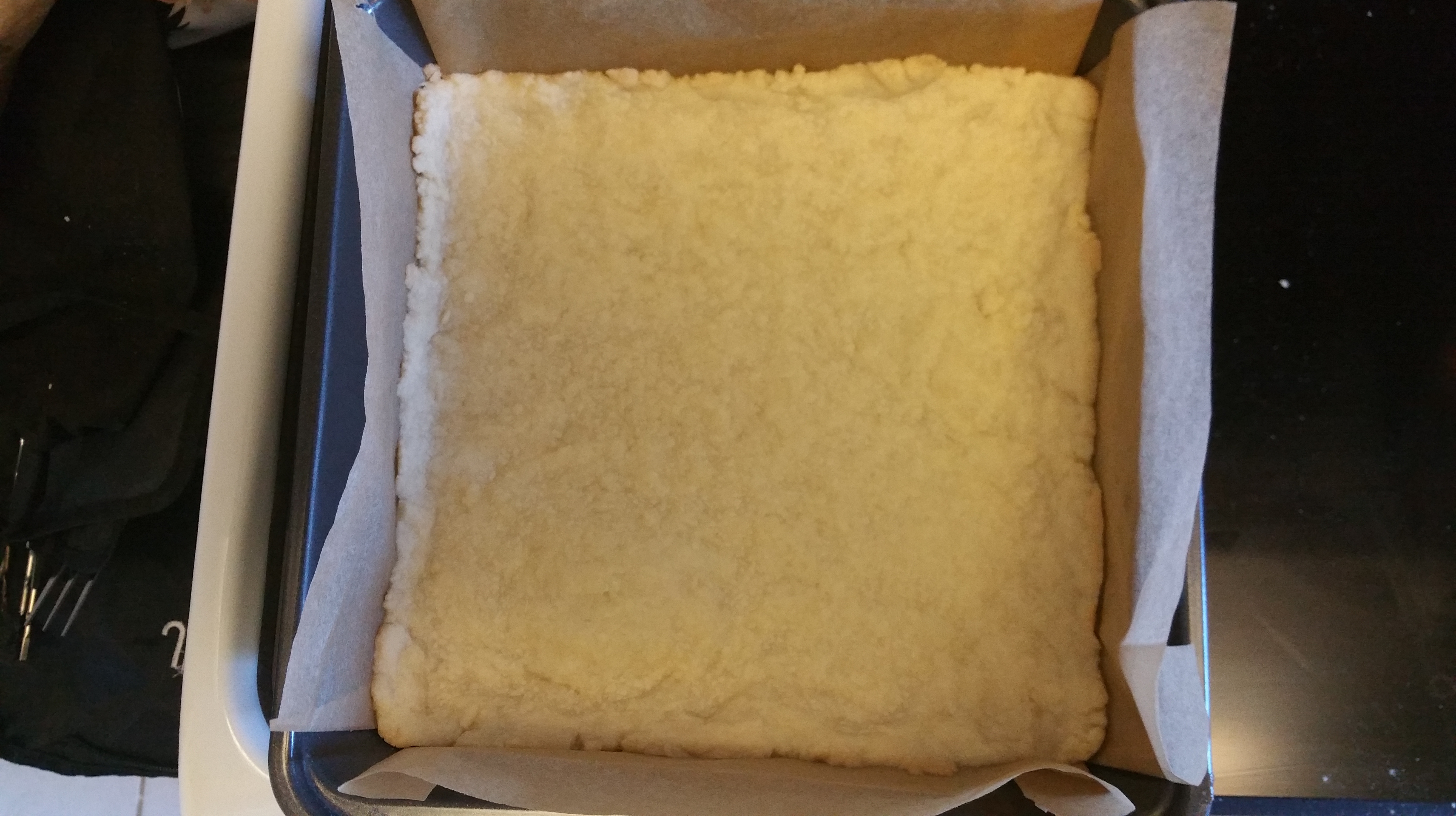
Press into the prepared baking pan evenly across the bottom and 1/2 inch up the sides.

Bake for 15 minutes. I usually melt the butter for the filling as soon as the crust goes in the oven so that it is cool enough to use by the time the crust is done baking.

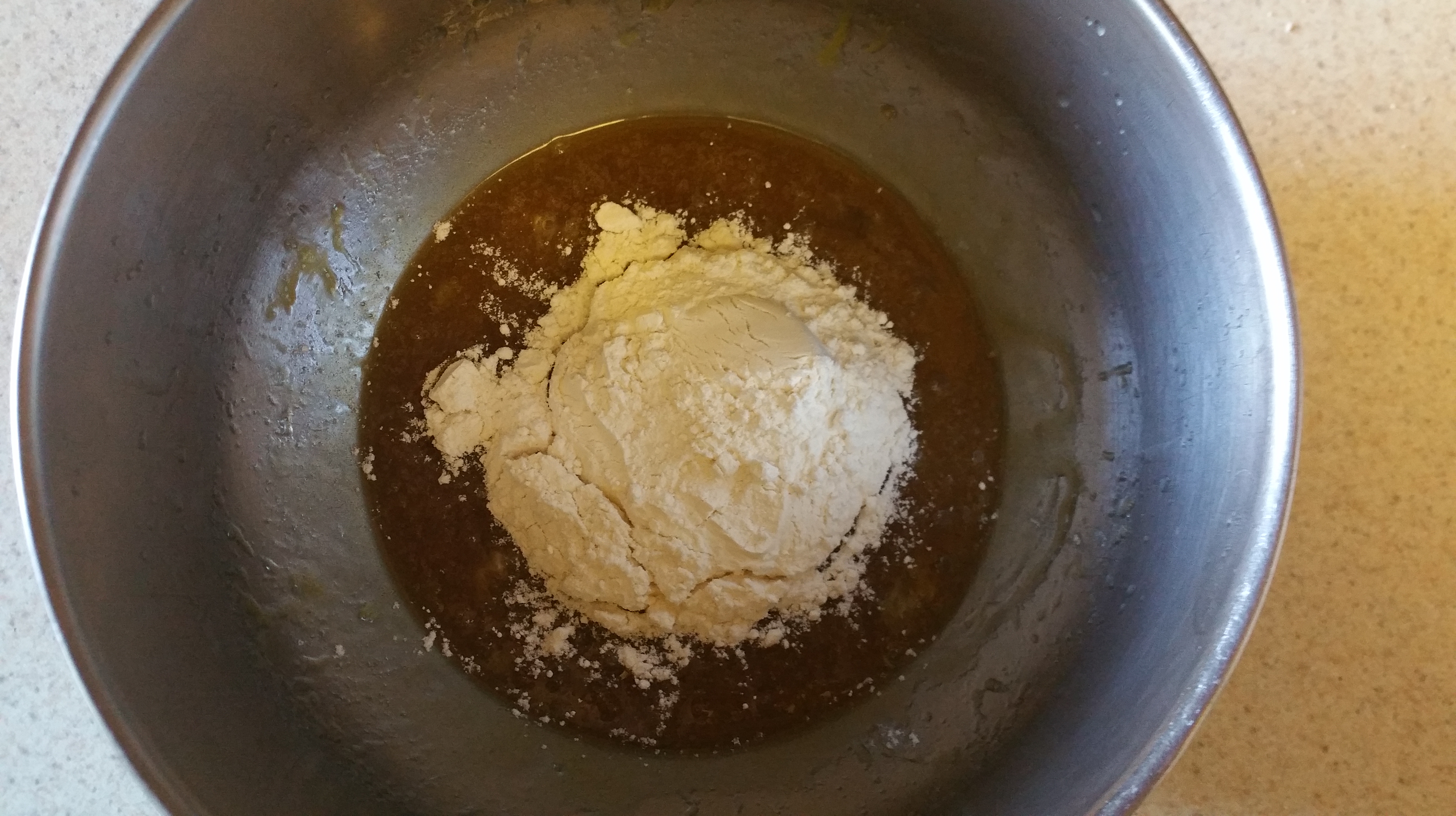
To make the filling, whisk the brown sugar into butter until smooth.

Add the whole egg, egg yolk, salt, and vanilla and blend well.

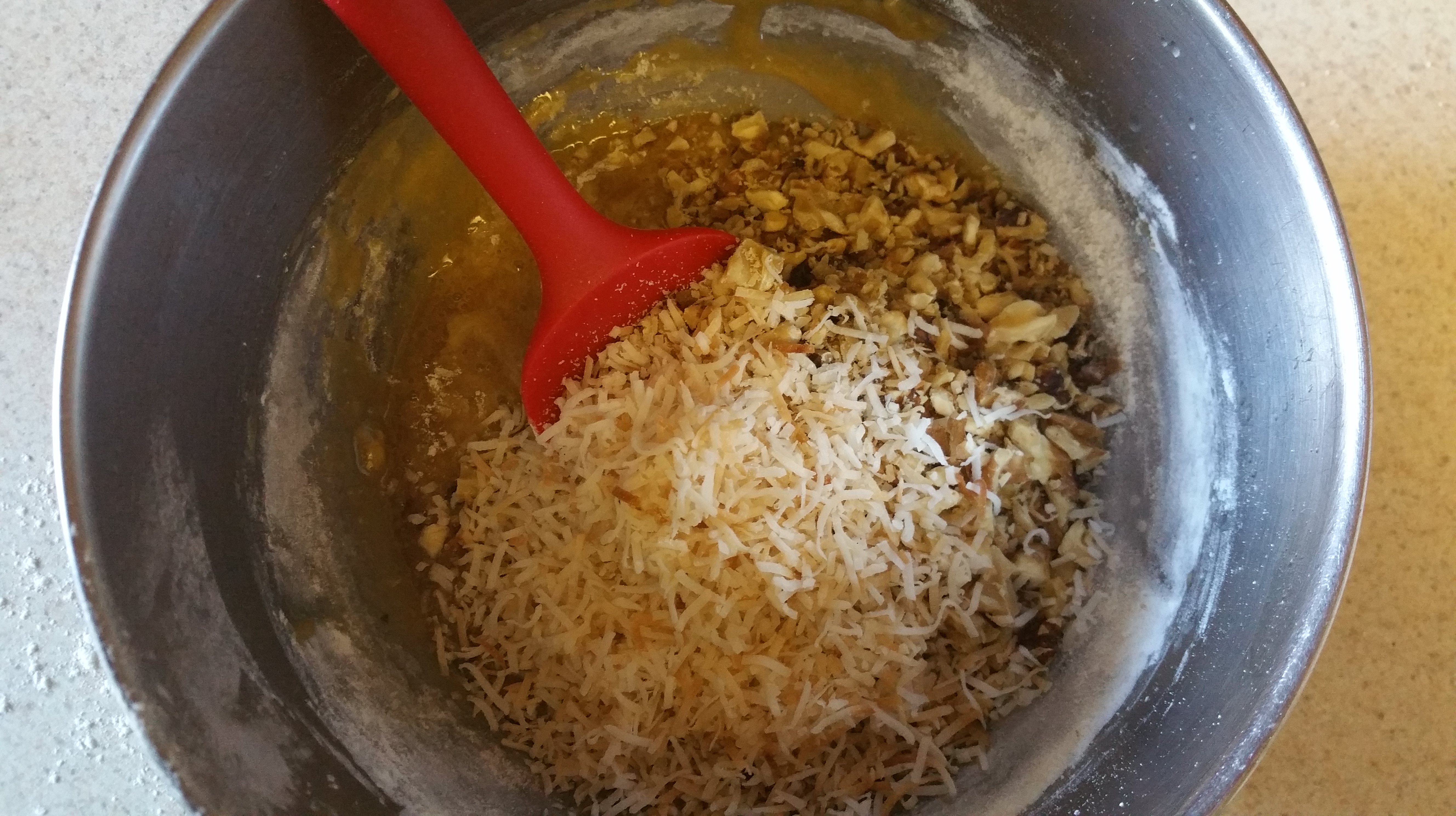
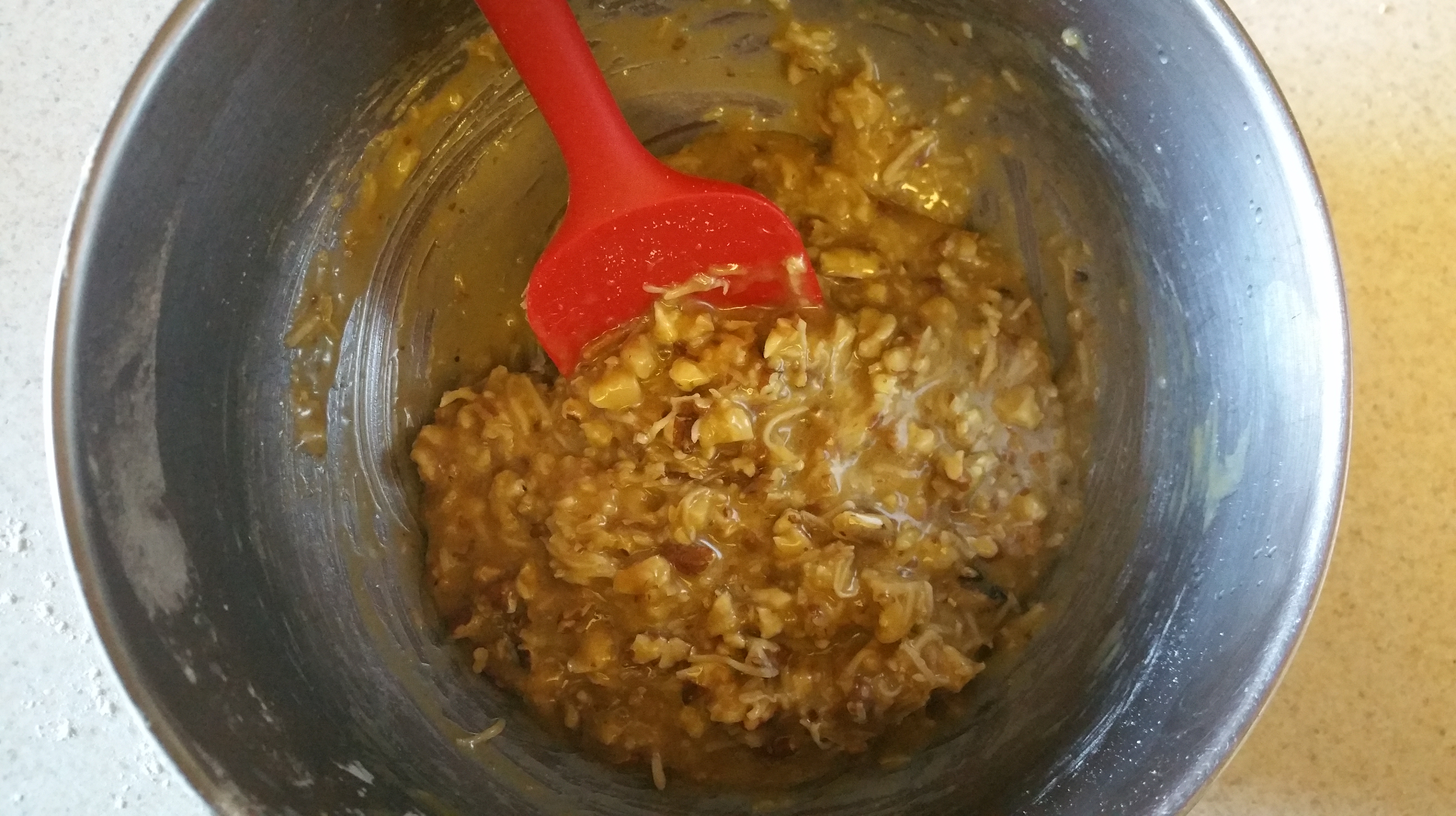
Stir in flour until just combined, and then fold in the coconut and nuts.

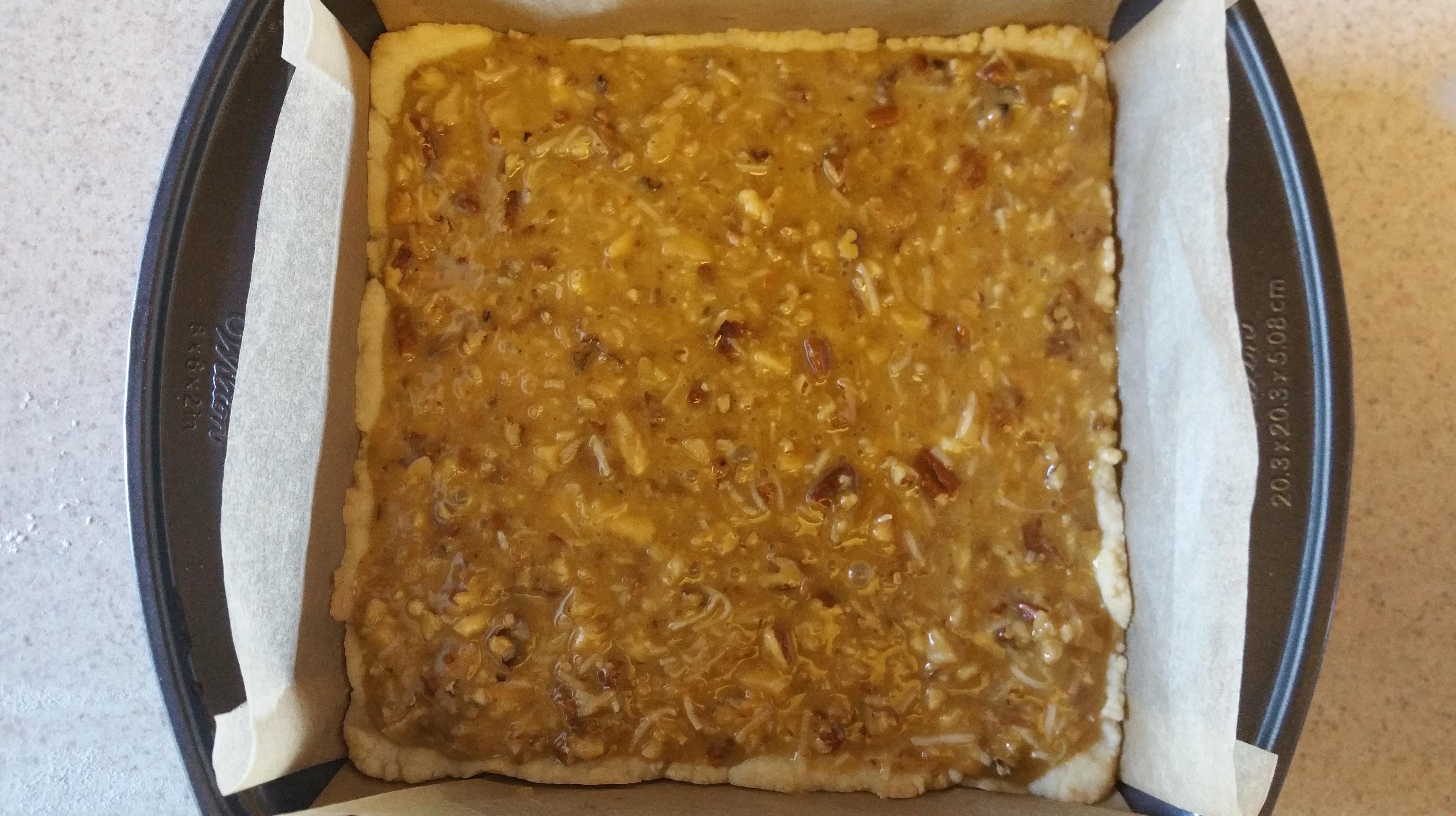
Pour the filling over the par-baked crust, spreading evenly using a spatula or small offset palette knife.

Bake 20-25 minutes or until puffed and golden on top.

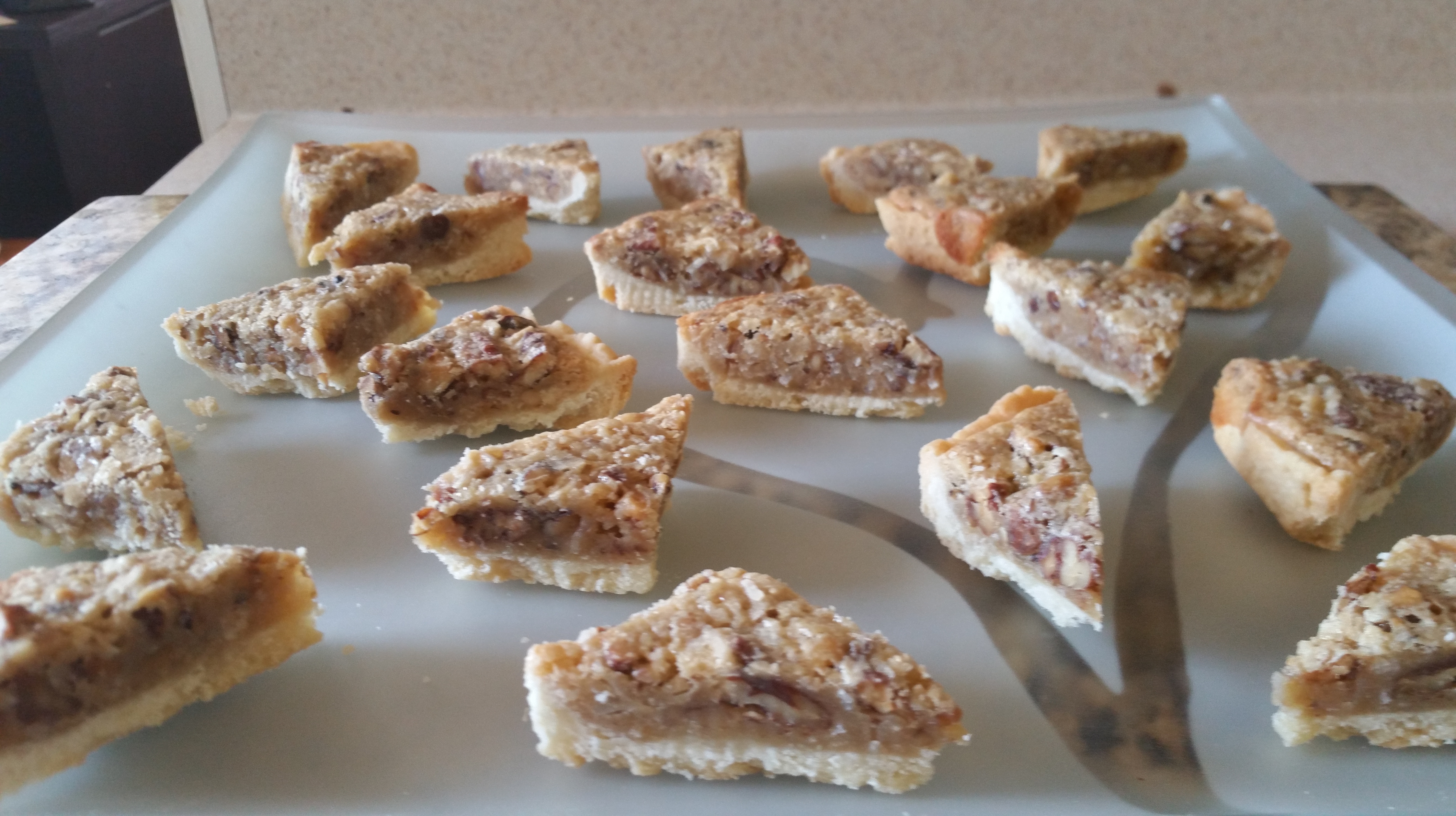
Cool completely before cutting into squares or triangles. I like to refrigerate the pan because it is much easier to cut neat squares when they have been chilled for a few hours or even overnight.

The texture of the filling resembles pecan pie, but the coconut adds a sweet chewiness that reminds me of the topping on Samoas cookies.  The crust is buttery and crisp, like a rich, thick shortbread. All in all, these accidental delights have a lot more to offer than I initially gave them credit for, and my chair yoga classmates and the county fair judges agreed.

Change happens in a blink and life can really surprise you with strange twists. Sometimes they give you something really special, like a whole new way to practice yoga. It’s good to know that recipes can surprise too in the most unexpected and wonderful ways.

Ciao for now,

Neen