Archive | Beginner RSS feed for this section

Lost Bread: Found!

19 Aug

I don’t like pre-sliced bread. There, I said it. Back in the days of dieting, I used to buy this super low-calorie sliced wheat bread product that I thought could act as a base for sandwiches. It was very sad bread, mostly made of chemicals and air (as Alton Brown shows at 6:00 in this clip: http://www.youtube.com/watch?v=Vlb9gHVeBR0z).

But real bread, you might say, goes stale so fast.

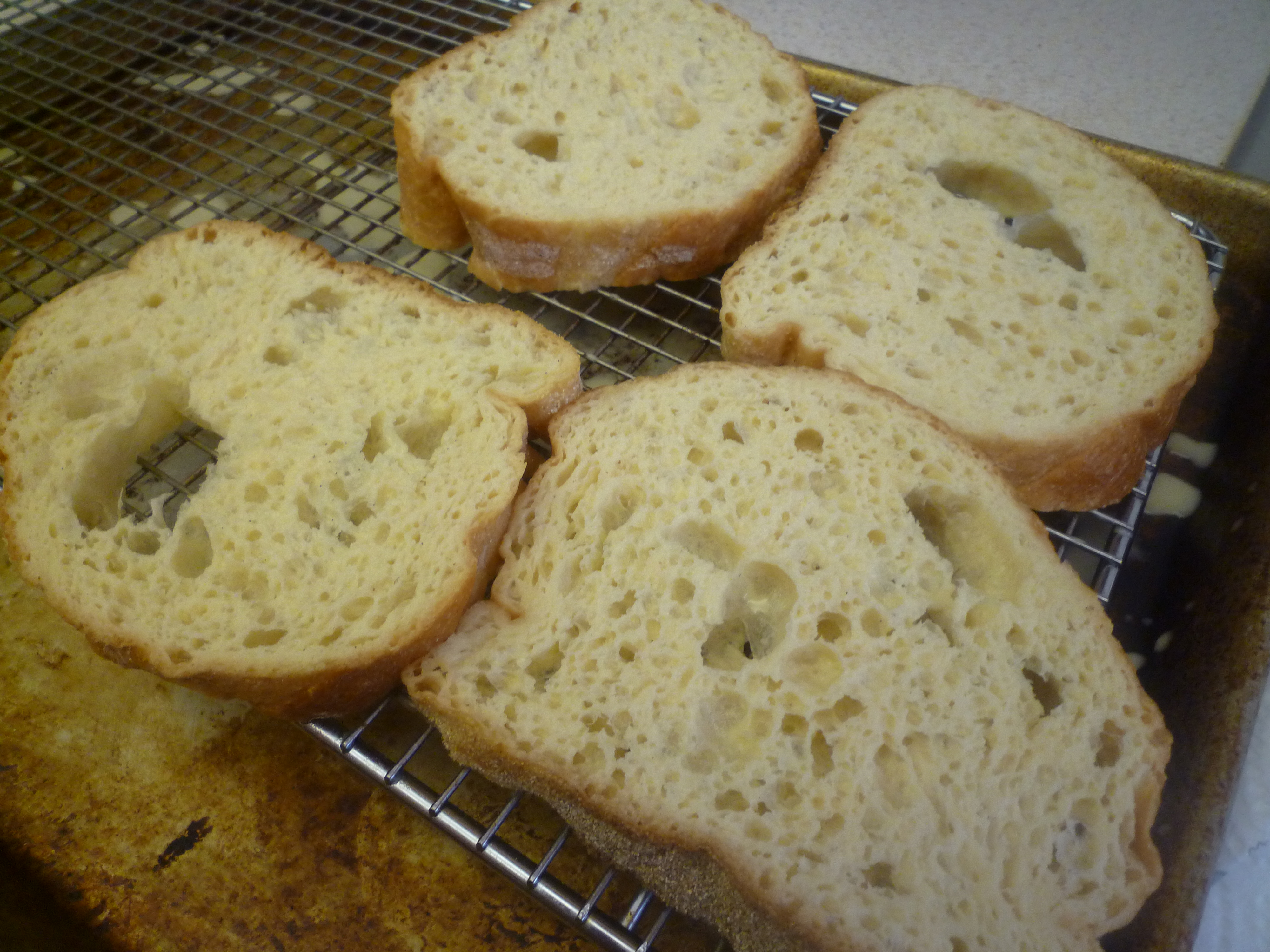
And you’re right. It does. Most real bread goes stale quickly because it isn’t full of flour conditioners and preservatives. But stale doesn’t mean bad or unusable. Fresh bread is pretty awesome, but stale bread is better for a variety of things: Panzanella (in salad or soup form), bread crumbs (seasoned or plain), croutons, bread pudding, egg stratas, toast, and pain perdu, or “lost bread.”

Pain perdu/French toast, one of the most delicious Sunday brunch foods, is best made with stale bread. Since bread that has gone stale loses a lot of moisture, it soaks up more of the custard and makes a much richer and more satisfying end product.

So grab your lost bread and get to reviving it!

Pain Perdu

  • Eight ½ in. slices of day-old or stale bread. Country, French, challah and brioche loaves are all good options.
  • ½ cup milk
  • ½ cup cream
  • 2 tbsp. maple syrup
  • 3 eggs
  • 1tsp. vanilla extract or vanilla bean paste
  • Dash of cinnamon
  • Pinch of salt
  • 4 tbsp. butter

Whisk the eggs, milk, cream, maple syrup, vanilla, and cinnamon together until thoroughly blended. You may do this a day ahead and store it in the refrigerator. When ready to dip the slices, pour the custard into a pie pan.

Preheat an oven to 375 degrees F.

Place a wire cooling rack over a baking sheet. Dip the slices of bread, two at a time, into the custard and allow them to soak for 30 seconds on each side. Move the dipped slices to the wire rack and allow them to sit while you prepare the others.

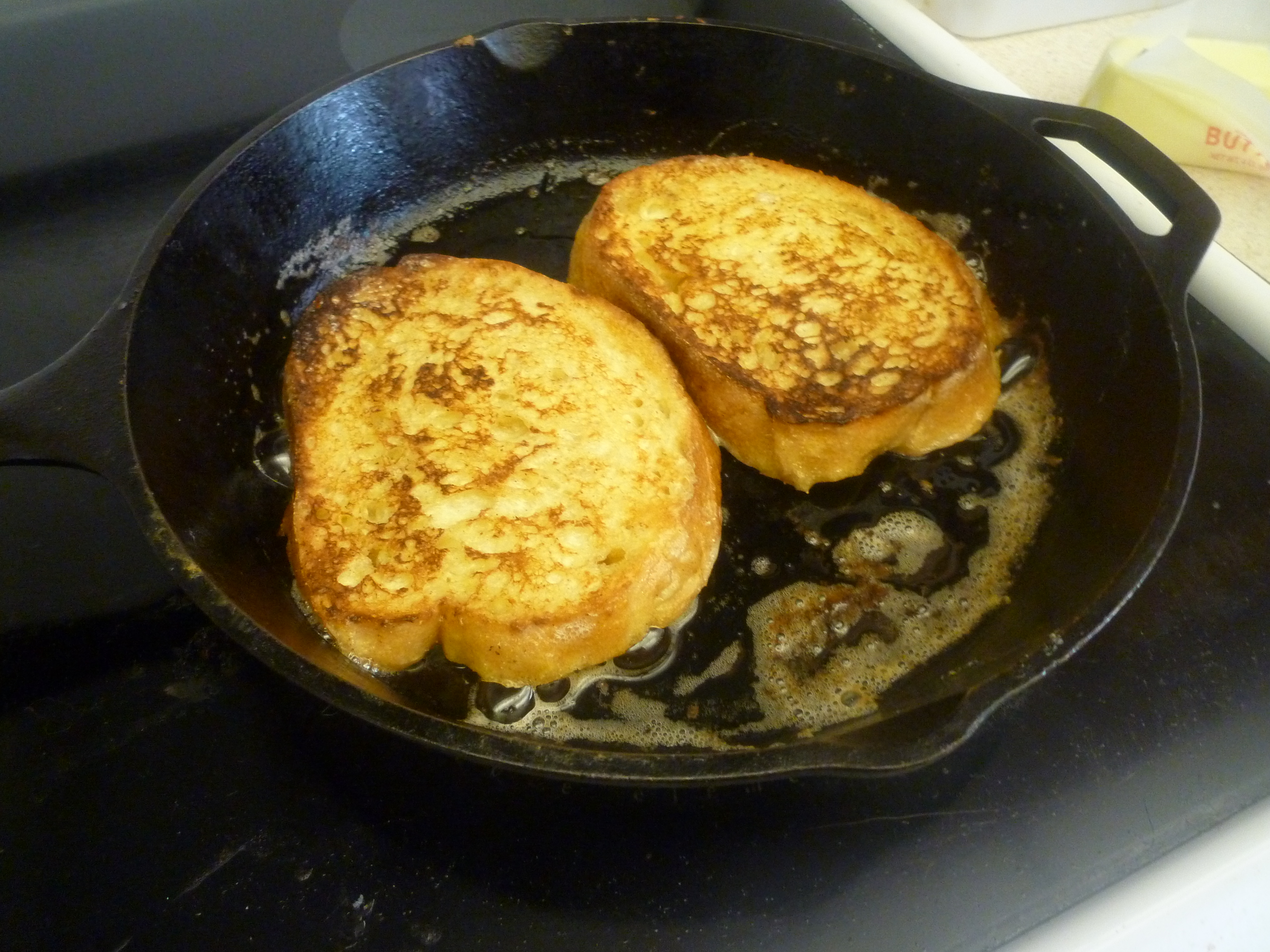
Melt 1 tbsp. of butter in a pan over medium-low heat. Place two slices of bread in the pan and allow them to cook until golden brown (about 2 minutes on each side).

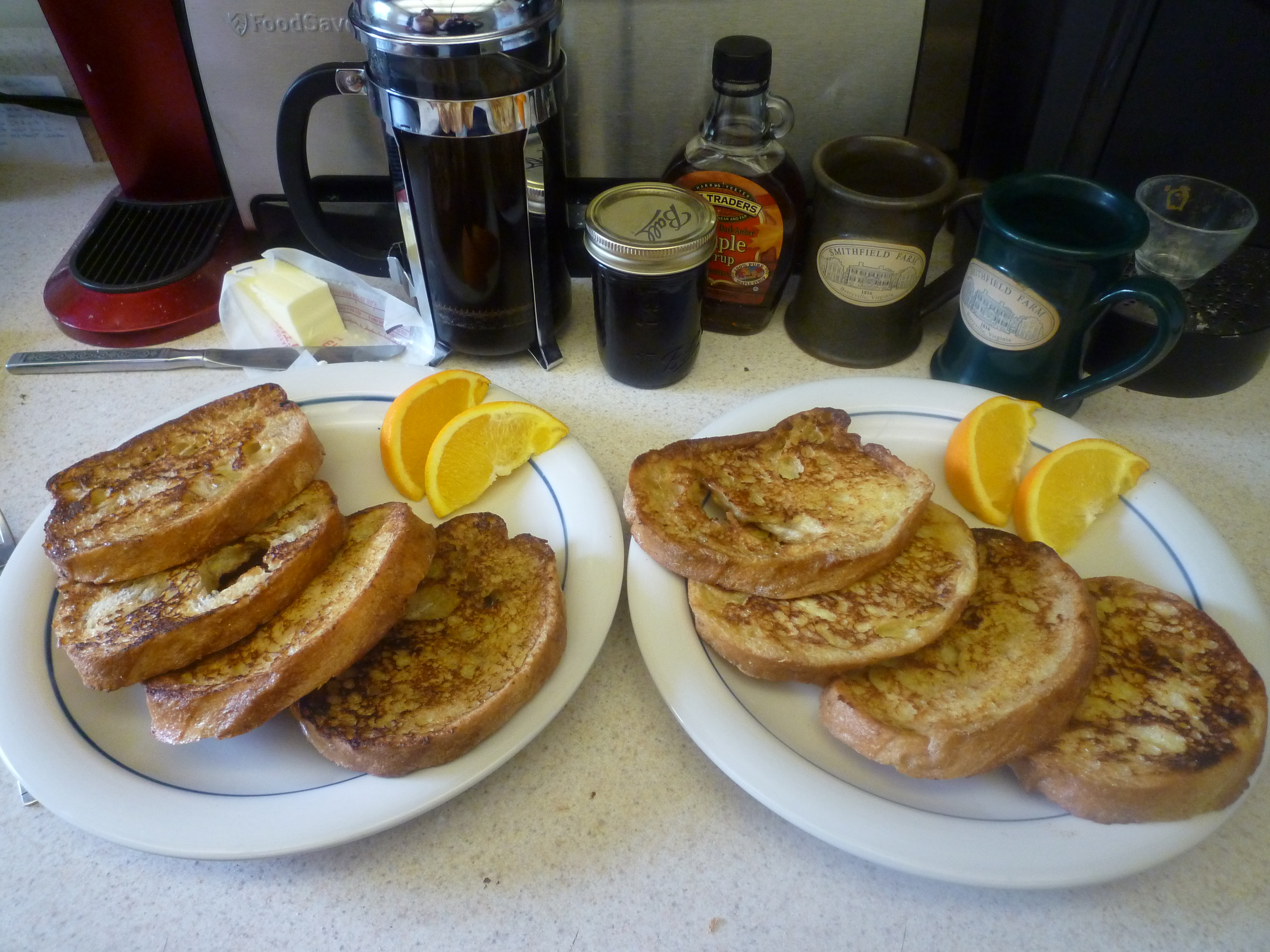
Remove from the pan and place directly on a rack in the oven for 5 minutes. Repeat this process with the remaining butter and slices of bread. Serve immediately with maple syrup and fruit, whipped cream and berries, or powdered sugar and cinnamon.

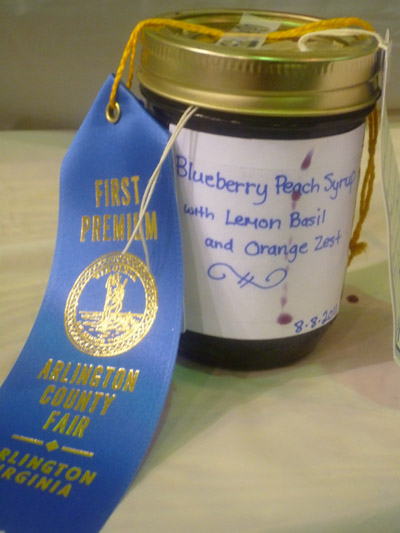
The best thing about this dish is the texture contrast. You get the wonderful crisp outside from pan-frying and a custardy, but not mushy inside from a short bake in the oven. We had ours with the classic maple syrup, but also some of my prize-winning (!) blueberry-peach syrup with lemon basil and orange zest:

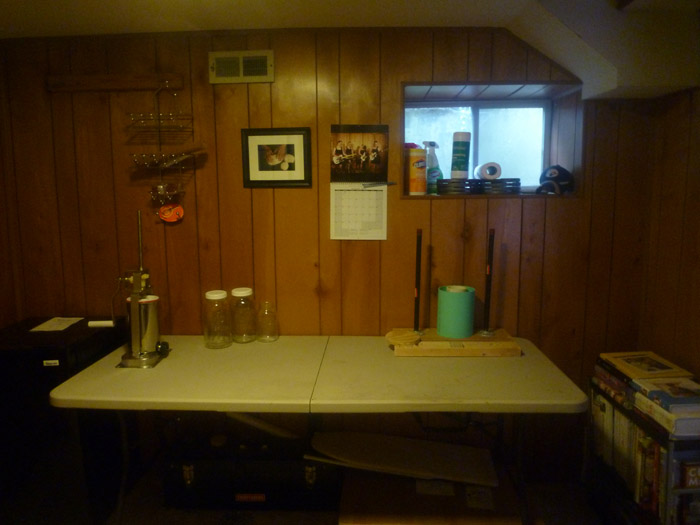
It’s been busy in the Neen’s Notes kitchen. After I made that wheel of gouda a few weeks ago, I realized that aging cheese in my refrigerator was getting pretty impractical. Since I’d already turned the downstairs closet into a curing cabinet for meat, it seemed only logical to take over the rest of the little room. Allow me to introduce my little kitchen extension:


On one side of the table, I have the meat grinder and on the other is a homemade cheese press (thanks again, Dad!). To the left of the table is a small refrigerator that I’ve made into a cheese cave. Kept on its lowest setting, the temperature hovers at around 50 degrees. With a bowl of water inside and the occasional spray of water along the walls, the humidity is around 75%. Ideally, I’d like to get it up to 80%. Right now inside you’ll find the aforementioned wheel of gouda and a wheel of montasio quietly aging. The curing closet is directly across from the refrigerator, out of view in this picture. To the right of the table is a small reference shelf. A second bookcase is at the other end of the room and it holds mason jars and other canning materials. The shelf above the table holds supplies (cheese mats, wax, curing salts…etc.), and the calendar is being used to mark dates and weights for cheeses and curing meats. It wasn’t an expensive project; mostly just a reorganization to use space more efficiently. The only new purchases I made were the refrigerator and a few hooks for the curing closet. It could use a few decorations, but all in all, it’s just a great little room that I’m looking forward to use for creating all sorts of fun, tasty things.

Ciao for now,

Neen

Busy June, Happy News, and Brand New Recipes!

6 Jul

Boy, have we been busy. First we ran off to Chincoteague for a weekend of fun in what I think may be the most peaceful place in the world.

Two weeks later, we hopped on a plane for a whirlwind four days in New Orleans. The days were sweltering, but the beignets were sweet and the coffee was strong. There is nothing so joy-filled and rejuvenating as a few days with the family.

As if all of that wasn’t enough excitement, somewhere in between (June 18th for precision’s sake) Joe got the wild idea to ask me to marry him. I bet you can’t guess what my answer was…

Of course, I said yes.

And so after a June full of excitement, we crashed over the 4th of July weekend. I spent most of it languishing in the joy of having nothing to do but enjoy the sun, play with the dog, and read.

But what would a summer holiday weekend be without a little outdoor cooking? Some smoky, savory chicken breasts and a bright summer salad of avocado, yellow squash and tomatoes made for a perfect Saturday picnic.

Pecanwood Smoked Chicken Breasts

  • 3.5 lbs. of bone-in split chicken breasts
  • 6 cups water, divided
  • 6 tbsp. kosher salt
  • The zest of one lemon (large strips)
  • 1/2 tsp. allspice berries
  • 1 tbsp. telicherry peppercorns
  • 2 cloves garlic, smashed
  • 5 sprigs thyme
  • 6-7 chives
  • 4-5 parsley leaves, chopped
  • 1.5 lbs. wood chips (I used pecanwood)

Combine 2 cups of the water with the salt, lemon zest, herbs, and spices and bring to a boil. Set aside to cool for at least one hour. Add the brine to the remaining 4 cups of  cool water in a large plastic tub. Put the chicken breasts into the brine and refrigerate for 4 hours, turning once.

1 hour before grilling, add the wood chips to a bowl of water to soak. Drain, and then place them in an aluminum foil basket.

Preheat a gas grill to 300 degrees F. with all burners on high. After preheating, maintain a temperature of between 275-300 degrees. On my grill, this took one burner set on high. Place the basket of wood chips directly over the heat source. Otherwise, you won’t get any of that wonderful smelling smoke.

Remove your chicken breasts from the brine, pat them dry, and then put them on the grill away from the lit burner. Indirect heat is key for slow smoking. Also, keep your grill lid closed as much as possible. Cook the breasts, turning 180 degrees every 40 minutes until the internal temperature close to the bone is about 160 degrees. It will take about 2-3 hours. Rest 10 minutes and then slice.

Lemony Summer Salad

I really loved this salad. Not just because it gave me a chance to use some of the (excessive) bounty of squash that appeared in my garden while I was in New Orleans, but because of the balance. It’s very zen. You get this bright, tart flavor from the lemon juice and tomato, a little bit of creaminess from the avocado, and a sweet crunchy bite from the summer squash. It played very well with the smoky, salty flavor of the chicken. Best part: five minute prep time.

  • 1 ripe avocado, chopped and treated with lemon juice or citric acid to prevent browning
  • 1 summer squash, matchstick cut
  • A handful of grape tomatoes, sliced
  • Juice of one lemon
  • 1 tbsp. olive oil
  • 5 or 6 lemon-basil leaves
  • Salt and pepper to taste

Combine the lemon juice and olive oil and a bowl and whisk together thoroughly. Toss with the avocado, tomatoes, squash, and lemon basil. Season with salt and pepper to taste. Garnish with a bit of lemon zest.

Happy July to all! Hope you’re enjoying the summer as much as I am. County fair season is coming up, so hopefully I’ll have some interesting recipes to share as I start experimenting with what to make for Arlington’s competition.

Ciao for now,

Neen

Recipe Megapost: Joe’s Birthday Party

19 Mar

Yesterday was a perfectly beautiful spring day, the first we’ve had here in DC thus far. How appropriate that the warm weather decided to show up on Joe’s birthday! We had some friends over for a celebration and spent the evening enjoying wonderful company and (if I don’t say so myself) some pretty tasty food.

Since this bash fell on a Friday, I did a lot of prep in advance so that I wouldn’t have much to do when I got home from work (and so I could enjoy the party). On to the deliciousness…

Amuse-bouche: Caramelized Pearl Onions with Queso Blanco

  • 32 pearl onions, blanched and peeled
  • 1 dried cayenne pepper
  • ½ cup dry sherry
  • 2 tbsp. sugar
  • A few spoonfuls of liquid from canned beets
  • Sprig of fresh thyme

*Okay, here’s the thing. The recipes I referenced for this all called for red pearl onions. I can’t find them anywhere. I don’t know why. So, I cheated and dyed them red with some of the liquid from my home-canned beets. It added bonus flavor and made them an awesome color.

Put all of the ingredients into a pot and add water just to cover the onions. Bring the mixture to a boil and then reduce to a simmer, swirling the pan every so often to keep the onions from scorching.

Reduce until there is about ¼ cup of syrupy liquid left in the pan. Remove the onions with a slotted spoon and reserve syrup.

Queso Blanco

  • 1 gallon whole milk
  • ¼ cup white vinegar

Heat the milk, stirring frequently to keep from scorching. When it reaches 185 degrees, add the vinegar in 3 separate additions, stirring between each one. Remove the pot from the heat and let it sit for five minutes, then stir for another five or until the curds have firmed up a little bit. Strain into a colander lined with cheesecloth and then hang the curds to drain for an hour.
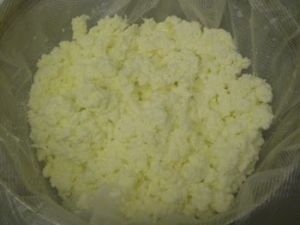
You can salt to taste and use this as is, but I really wanted it to be firm so that I could cut it into cubes. So, if you have a cheese press, line a mold with cheesecloth and press the curds at 10 lbs. for 10 minutes, redress the cheese and then press at 25 lbs. for 3 hours.

Put it all together: Thread one onion and one cube of queso blanco onto a skewer and drizzle with the reserved syrup.
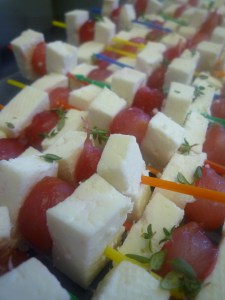
Appetizer: Crostini Duo

  • 2 baguettes, bias sliced and toasted

For Spinach, Artichoke and Caramelized Onion Crostini

  • 1/3 cup low-fat plain yogurt or Greek yogurt
  • 1/3 cup low-fat sour cream
  • 3 oz. Neufchatel cheese or cream cheese
  • 1 can of artichoke hearts, drained
  • 10 oz. fresh spinach
  • 1 onion, diced
  • 1 clove garlic, minced
  • 1 tsp. dried thyme
  • 1 tbsp. Dijon mustard
  • ½ tsp. dried cayenne pepper
  • Salt and pepper to taste

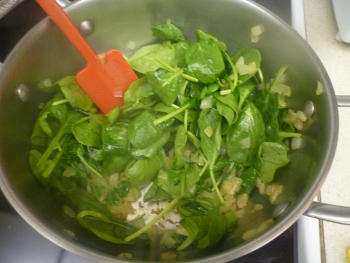
In a wide pan, sweat the diced onions in olive oil until soft, translucent and sweet. Add the garlic and cook for another minute. Add the spinach and cook just until it has wilted. Set the pan aside.

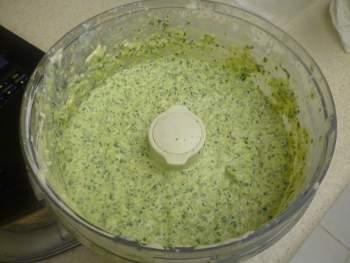
In the bowl of a food processor, combine the yogurt, cheese, sour cream, artichoke hearts, thyme, mustard, pepper, and a few pinches of salt. Pulse to combine. Add the spinach, onion and garlic to the food processor and pulse until it has a spreadable consistency.
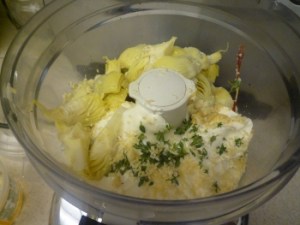
Top each toasted baguette slice with the spread and serve at room temperature.

For Fromage Blanc, Basil and Roasted Red Pepper Crostini:

  • Roasted red peppers
  • Fromage blanc
  • Basil, chiffonade cut

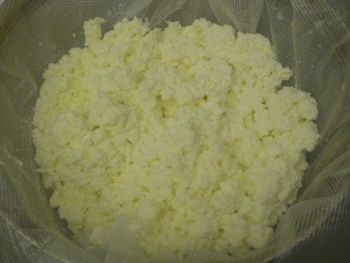
To make the fromage blanc, heat 1 gallon of milk to 85 degrees and add a packet of fromage blanc starter. Stir vigorously for a minute or two and then cover the pot and allow the milk to ripen at room temperature for 12 hours. Scoop the curds into a colander lined with cheesecloth, and then hang them to drain for 6 hours. It should have the consistency of cream cheese. Salt to taste.

Top each toasted baguette slice with a layer of fromage blanc, diced roasted red peppers, and chiffonade basil.

Appetizer: Mushroom Strudel (adapted from Smitten Kitchen)

I am sorry that I didn’t get more pictures of this process, but my hands were covered with butter most of the time and photography got the shaft. These are so good and you can make them in advance, freeze, and then bake as needed. Handy.

  • 1 package phyllo dough (40 sheets)
  • 1/2 cup butter, melted
  • 1 pound cremini mushrooms
  • 1 medium onion, minced
  • 3 tablespoons butter
  • Freshly grated nutmeg
  • 1 tablespoon dry sherry
  • 1 tablespoon all-purpose flour
  • 1 sprig thyme
  • 4 to 6 tablespoons freshly grated Parmesan
  • Salt and pepper to taste

Preheat the oven to 400°F and line baking sheet with parchment paper.

Cook the onion in the butter until translucent and then add the mushrooms and nutmeg. Saute for 5 to 7 minutes, until liquid has been released and has partially evaporated. Add the sherry and evaporate the alcohol by cooking over low heat for 2 to 3 minutes. Stir in the flour, herbs, and some salt and pepper, and let cool. The mixture will be moist.

Take one sheet of phyllo at a time from their package; cover the remaining sheets with plastic and then a damp towel to keep them from drying out. Brush one half of the sheet lengthwise with butter. Fold the unbuttered side over the buttered side, carefully, smoothing out as best you can. Again, brush one half of this lengthwise with butter, and fold the unbuttered side over it again. You’ll end up with one long column.

Place spoonful of the mushroom filling near the end and sprinkle a teaspoon of parmesan over it. Begin folding one bottom corner of the phyllo strip over the filling until it meets the opposite edge, forming a triangle, as if you were folding a flag. Place the triangle seam side down on the baking sheet, brush lightly with egg wash and sprinkle with parmesan.

Bake for 15 minutes and serve warm or at room temperature.

Main Course: Porchetta

Normally, this is seared and roasted, but oven-space was at a premium and so I went the crock pot route.

  • 2 tbsp. canola oil
  • 4 lb pork loin roast
  • 1/2 cup chicken broth

Herb rub:

  • 5 cloves garlic
  • 2 tbsp. fresh rosemary
  • 1/2 cup fresh parsley
  • 1 tbsp. kosher salt
  • 1/2 tbsp. lemon pepper
  • 1 tbsp. dried oregano
  • 1 tbsp. dried fennel seed
  • 1/2 tbsp. onion powder
  • 1/4 tsp red pepper flakes
  • 2 tbsp. olive oil

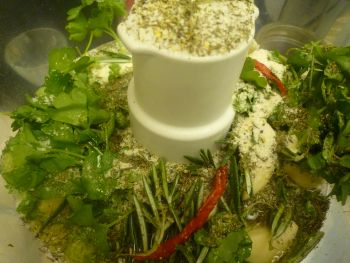
Combine all of the ingredients for the rub in a food processor and pulse until they form a paste.
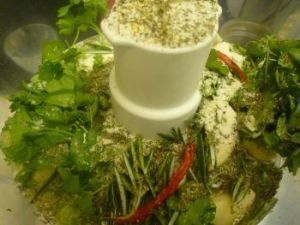
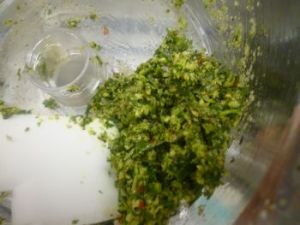
Cut several inch-deep slits in the roast and stuff some of the rub inside of them. Slather the roast with the remaining rub.

At this point, I vacuum sealed mine to let it marinate for a few days.

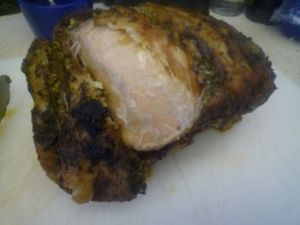
In a large pan, sear the roast on all sides and then move it to the crock pot. Dioji was hypnotized by the smell of meaty goodness:

Add the broth to the pan to deglaze (scrape the bottom to get all of the bits of herby piggy goodness) and bring the mixture to a boil. Simmer for 5 minutes and then pour the liquid onto the roast in the crock pot.

Cook on high for 5-6 hours or on low for 7-8 hours. The roast ended up so tender that I shredded it and served it with the reduced cooking liquid.
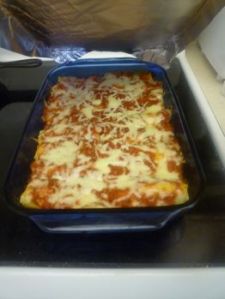
Main Course: Cheese Manicotti with Zucchini Cayenne Marinara Sauce

I made the ricotta and mozzarella for these and you can find photo tutorials for them here.

Manicotti:

  • 3 eggs
  • 3 cups flour
  • 6 tbsp. olive oil
  • 5 tbsp. water

Filling:

  • 1 lb. ricotta cheese
  • ½ lb. mozzarella cheese, grated
  • A handful of grated parmesan
  • 1 egg
  • Fresh thyme and parsley to taste
  • Salt and pepper to taste

Sauce:

  • 2 zucchini, ¼ in. dice
  • 4 cans crushed tomatoes
  • 3 cloves garlic
  • 1 onion, minced
  • 4 dried cayenne peppers, diced
  • Dried thyme
  • Fresh parsley

To make the pasta dough, beat together the eggs, oil and water and then stir them into the flour. Get your hand in the bowl and begin to knead the dough together.Knead until it is smooth and then flatten into a disc, wrap in plastic wrap and rest at room temperature for 30 min.

Roll the pasta into sheets, and then cut into 5 in. squares.
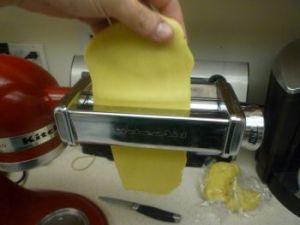
Boil the squares in salted water for 1-2 minutes. Drain and leave these to rest on damp towels.

Combine all of the ingredients for the filling and taste for seasoning.

Spoon a row of filling along one end of a pasta square and then carefully roll up into a tube shape. Place this, seam side down on a baking sheet while you prepare the others. If you are freezing them as I did, freeze them individually on a baking sheet before moving to a bag.

To make the sauce, sweat the onion in a few tablespoons of olive oil until translucent. Add the zucchini and garlic and sauté until everything is soft and fragrant. Add the tomatoes, peppers and spices and simmer for a few hours or until the consistency is to your liking. Add seasonings as needed.
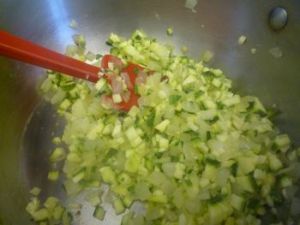
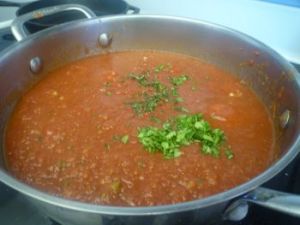
Preheat the oven to 350 degrees. Spoon a thin layer of sauce onto the bottom of a 9×13 in. baking dish. Arrange the manicotti in rows and then top with the remaining sauce (and some extra cheese if you like).

Bake for 40 minutes or until cooked through. Cover with foil and rest for at least 15 minutes before serving.
Bread: No-Knead Bread (from Splendid Table)

I like this because you can make the dough, throw it in a bucket in the fridge and forget about it for several days before baking.

  • 1-1/2 tbsp. granulated yeast
  • 1 tbsp. kosher salt
  • 6-1/2 cups unbleached flour, plus extra for dusting dough
  • Cornmeal

In a large plastic resealable container, mix yeast and salt into 3 cups lukewarm water. Using a large spoon, stir in flour, mixing until mixture is uniformly moist with no dry patches. Do not knead. Dough will be wet and loose enough to conform to shape of plastic container. Cover, but not with an airtight lid.

Let dough rise at room temperature, until dough begins to flatten on top or collapse, at least 2 hours and up to 5 hours. (At this point, dough can be refrigerated up to 2 weeks; refrigerated dough is easier to work with than room-temperature dough, so the authors recommend that first-time bakers refrigerate dough overnight or at least 3 hours.)

Place a broiler pan on bottom rack of oven. Place baking pan on middle rack and preheat oven to 450 degrees.

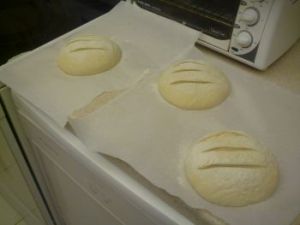
Sprinkle a little flour on dough and on your hands. Pull dough up and, using a serrated knife, cut off a grapefruit-size piece (about 1 pound). Working for 30 to 60 seconds (and adding flour as needed to prevent dough from sticking to hands; most dusting flour will fall off, it’s not intended to be incorporated into dough), turn dough in hands, gently stretching surface of dough, rotating ball a quarter-turn as you go, creating a rounded top and a bunched bottom.

Place shaped dough on a piece of parchment and let rest, uncovered, for 40 minutes. Dust dough with flour.

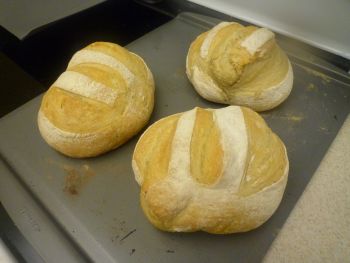
Using a serrated knife, slash top of dough in three parallel, 1/4-inch deep cuts. Slide dough onto preheated baking sheet. Pour 1 cup hot tap water into broiler pan and quickly close oven door to trap steam. Bake until crust is well-browned and firm to the touch, about 30 minutes. Remove from oven to a wire rack and cool completely.
Dessert: Cookies and Cream Ice Cream Layer Cake

The guest of honor requested an ice cream cake with vanilla cake layers and Oreo ice cream.

  • Two layers of vanilla cake, cooled completely, wrapped in plastic wrap and frozen. I used this recipe.
  • Two layers of ice cream
  • Whipped cream

To make the ice cream layers, line two 9 in. pans with plastic wrap and scoop softened ice cream into each. Flatten out the ice cream by pressing another pan on top of it. Cover with plastic wrap and place in the freezer to harden.

Stack the layers as such (from bottom to top): Cake, ice cream, cake, ice cream. Again, cover this in plastic wrap tightly and freeze. Before icing your cake, trim the sides as needed to make them even and neat. Frost the cake with whipped cream and return to the freezer. I decorated this one by piping tempered chocolate designs onto wax paper, letting them cool, and then applying them to the cake.

Dessert: Strawberry Jam Tart

  • 1 1/2 cups all-purpose flour
  • 1/2 cup dry cornmeal / polenta
  • 2 teaspoons baking powder
  • 1/2 teaspoon salt
  • 9 tablespoons unsalted butter, room temp.
  • 1/2 cup sugar
  • 1 large egg
  • 1 large egg, separated
  • ½ tsp. vanilla bean paste
  • 1 1/3 cup jam (I used strawberry, but anything will do)
  • 2 tbsp. coarse sugar

Whisk together the flour, cornmeal, baking powder and salt.

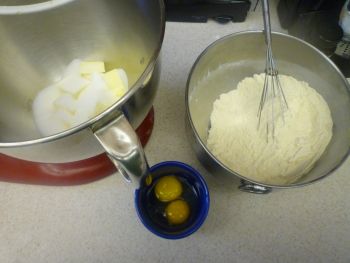
In a stand mixer, mix the butter and 1/2 cup sugar together until smooth. Add the egg, egg yolk, and vanilla bean paste and beat until combined. Gradually add the flour mixture and mix until the dough just comes together.

Transfer about one-third of the dough to a lightly floured counter and shape it into a log about 2 in. diameter. Wrap it in plastic wrap freeze for an hour.

Transfer the remaining dough to a buttered 9-inch spring form pan. Press the dough evenly into the bottom, going about 3/4-inch (2-cm) up the sides of the pan. Freeze the dough-lined pan until firm, about 30 minutes.

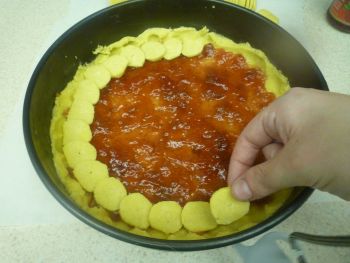
Preheat the oven to 375°F. Spread the jam or marmalade evenly over the dough in the pan. Cut the chilled dough log into very thin discs with a sharp paring knife. Arrange them in overlapping concentric circles over the jam to form a top crust.

Whisk the remaining egg white with a teaspoon of water until frothy; brush evenly over the tart lid and then sprinkle with the coarse sugar. Bake until the top crust is golden brown, about 25 minutes. Let cool completely before unmolding.

This holds up well and can be made up to 3 days in advance. Keep wrapped in plastic at room temperature.

The Final Treat: Pecan-Walnut Caramels

  • 2 cups sugar
  • 1 cup light corn syrup
  • 12 tbsp. butter
  • 1 can sweetened condensed milk
  • ½ cup water
  • 1 tsp. salt
  • 1 tsp. vanilla bean paste, vanilla extract, or one vanilla bean, split and scraped
  • 12 oz. nuts (I used half pecans and half walnuts), toasted and chopped

Generously butter a 9×13 in. pan.

In a large saucepan over medium heat, combine the sugar, corn syrup, butter, sweetened condensed milk, water, and vanilla bean paste. Stirring often, cook this mixture until it reaches 245 degrees F.

Remove the pan from the heat and stir in the salt and chopped nuts. Pour the caramel into the buttered pan and cool completely (about 2 hours).

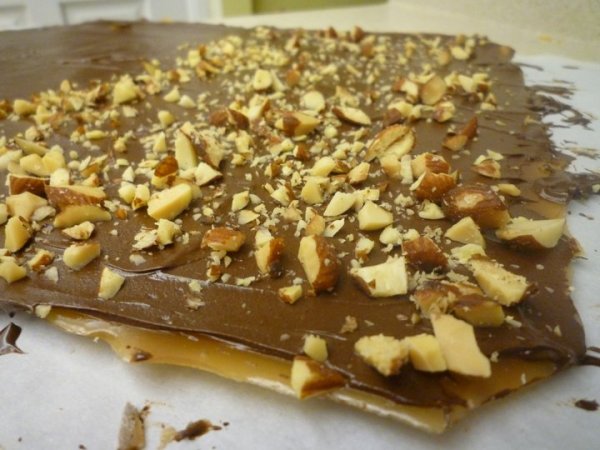
Turn the slab of caramel out onto a cutting board and use a pizza wheel to cut into squares. I usually get 128 pieces of candy from this recipe. Wrap the candies in pieces of wax paper and store in a cool, dark place.

Hope you enjoyed checking out the menu. Thank you to everyone who joined us and made the party so much fun.

Ciao for now,

Neen
My Cheesy Valentine: Part Deux

15 Feb

Shortly after meeting my best friend in the world, I discovered his disdain for most things vegetable-related. I’ve since learned that while he doesn’t necessarily enjoy a veggie as the star of the show on a plate, he doesn’t mind their flavors in a dish. And to his credit, he’s become much more adventurous in our six-ish years together. Still, I was a little bit shocked the first time I made these little crostini that he found them just as delightful as I did. It’s a great appetizer for a crowd, or just for you and your sweetie.

Spinach, Artichoke and Caramelized Onion Crostini

  • 1/3 cup low-fat plain yogurt or Greek yogurt
  • 1/3 cup low-fat sour cream
  • 3 oz. Neufchatel cheese or cream cheese
  • 1 can of artichoke hearts, drained
  • 10 oz. fresh spinach
  • 1 onion, diced
  • 1 clove garlic, minced
  • 1 tsp. dried thyme
  • 1 tbsp. Dijon mustard
  • ½ tsp. dried cayenne pepper
  • Salt and pepper to taste
  • 1 french baguette

Cut the baguette into ½ in. slices on a diagonal and lightly brush them with olive oil. Toast until golden brown and set aside.

In a wide pan, sweat the diced onions in olive oil until soft, translucent and sweet. Add the garlic and cook for another minute. Add the spinach and cook just until it has wilted. Set the pan aside.

In the bowl of a food processor, combine the yogurt, cheese, sour cream, artichoke hearts, thyme, mustard, pepper, and a few pinches of salt. Pulse to combine. Add the spinach, onion and garlic to the food processor and pulse until it has a spreadable consistency.

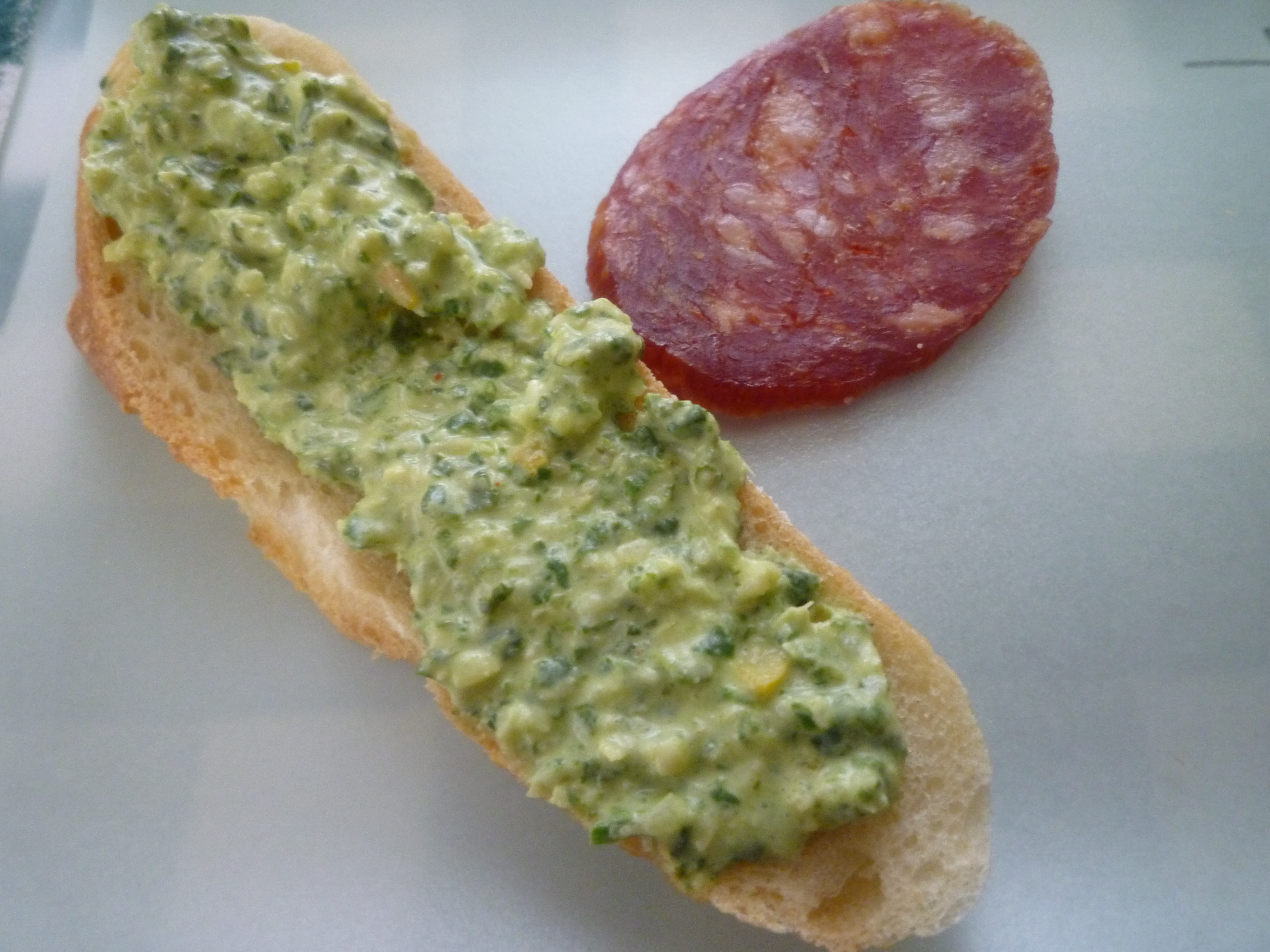
Top each toasted baguette slice with the spread and serve at room temperature. We had ours with some thin-sliced hot soppressata on the side. In the summer, I serve it as a chilled dip alongside raw carrot slices for a cool appetizer.

So that was our Valentine’s day appetizer, and you heard about the entrée in part 1, but I know what you’re really here for: Dessert.

I made this pound cake, which baked up beautifully. It’s an easy one-bowl recipe. It took a little bit longer to cook in my oven, but not by much. Maybe 1 hour and 30 minutes instead of the indicated 1 hour and 20 minutes.

The cream was whipped with some vanilla bean paste and a few teaspoons of sugar. I kept the it fairly neutral, because the cake was plenty sweet on its own.

The coulis was my favorite part (and apparently was Joe’s as well, because I caught him eating it out of the container with a spoon, haha). If your Valentine, like mine, does not love chocolate, try this!

Mash a pint of blueberries with a few teaspoons of sugar, a few drops of vanilla extract or vanilla bean paste, and the juice of one lime. You can also add a little bit of the zest for a stronger lime flavor. Simmer gently until thickened and a little bit syrupy, then let it cool to room temperature.

To put it all together, spoon a few generous swirls of the coulis on a plate, and then top with a cake slice and a dollop of whipped cream. The sauce has just enough tartness to balance out the cake’s sweetness and the cream brings the whole dish together. Oh, and the cake has the most wonderful, crackly crust. Delicious.

I hope that you are all having a lovely week! Enjoy the new goodies.

Ciao for now,

Neen
Black and Goldies: Super Blondies

1 Feb

Two entirely different things inspired this post. First, there was the February 2011 issue of Bon Appetit. If you haven’t seen the cover of said magazine, it was a siren calling, “Look at these delicious cocoa-walnut brownies, don’t you want them right now?” To use a Bourdain-ism: Total food porn.

Then there was January 23rd. It was the day that my beloved Pittsburgh Steelers valiantly defeated the New York Jets to secure their spot in Super Bowl XLV. I can’t wait for the big game this weekend vs. Green Bay. It has potential to be one of the best ever: Two teams so well-matched that it’s the lowest Super Bowl point spread in 27 years.

Having already made and devoured Bon Appetit’s dark and decadent goodies last week, I decided to switch it up this week and go for the gold. This one’s for you, Steelers.  Good luck in the big game!

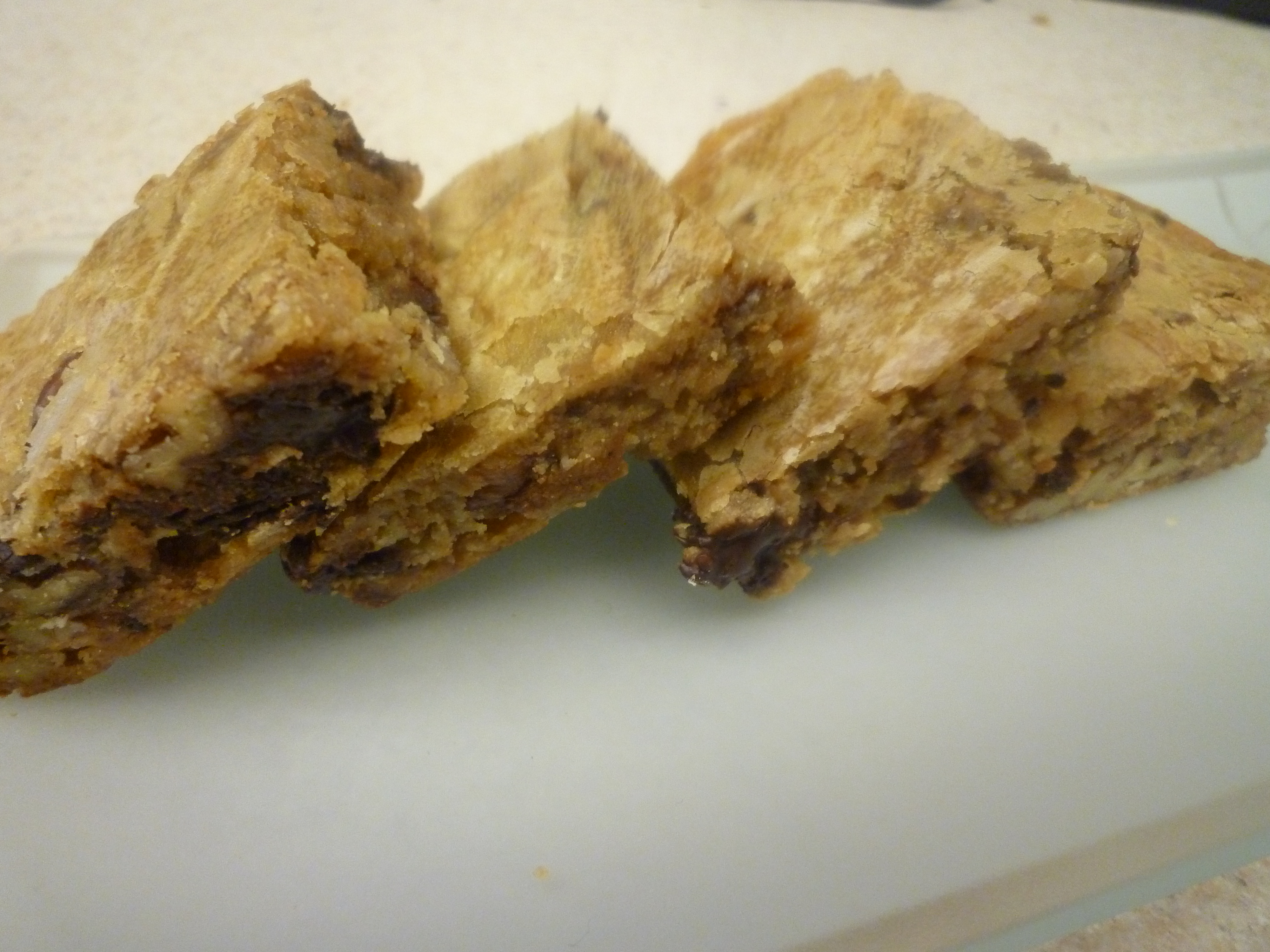
Black and Gold Blondies

Black and Goldies

These are a one pot wonder, so make sure that your saucepan is big enough to accommodate all of the ingredients. I used a 4qt. to account for whisking space.

Ingredients
1 cup all-purpose flour
1 cup light or golden brown sugar, packed
8 tablespoons (4 oz.) unsalted butter
1 egg
½ tsp. vanilla extract
1 tsp. coconut flavoring (optional, but soooo good)
¼ tsp. salt
2 oz. dark chocolate, roughly chopped
1 cup pecans, toasted and chopped

Method
Pre-heat the oven to 350 degrees F.

Line an 8×8 in. pan with parchment or buttered foil.

To toast the pecans, spread them out on a sheet pan and bake for about 8-10 minutes or until lightly fragrant.

Cut the butter into 1 in. pieces and melt in a saucepan over medium heat. Stirring gently, allow it to cook for about 5 minutes or until the foaming subsides and the butter browns just lightly.

Take the pan off of the heat and beat in the brown sugar until the mixture is smooth and shiny.

Beat in the egg and extracts until thoroughly combined.

Slowly beat in the flour and salt until no dry spots remain and then add the pecans and dark chocolate pieces.

Spread the batter in the prepared pan and bake for 25 minutes or until a toothpick poked into the center comes out mostly clean (a crumb or two is fine). The top of the blondies should look shiny and set. This may take up to ten minutes longer depending on your oven, but start checking for doneness at 25 minutes.

Here’s the hard part: Wait. Let them cool in the pan on a wire rack for an hour and a half and then gently lift the whole slab out of the pan (this is where your foil/parchment is so handy). Let them cool out of the pan for an hour more and then cut into squares. Yield: 16 blondies.

Cook’s note: There is no leavening agent in this recipe, so these will be more fudgy and less cakey than some brownie/blondie recipes. The edges (especially if you use buttered foil) are lightly crispy. Personally, I love a gooey cookie so I have no complaints.

Enjoy the treats and GO STEELERS!

Troy Polamalu and Ryan Clark after the AFC Championship

Ciao for now,

Neen

Back to Basics: Béchamel

21 Jan

In The Making of a Chef , Michael Ruhlman recalls that nearly everyone in his Skills One class at the Culinary Institute of America scorched the first béchamel sauce that they attempted. He vividly describes the mountain of pots lined with scorched flour/butter/milk piled in the sink. Upon reading this, I smiled to myself:

“Oh, I remember that.”

I cannot count the number of times during college that I stood (highly annoyed) scrubbing stuck-on roux off of the bottom of my only saucepan. Irritated, I’d grab On Cooking off of my bookshelf and wonder, “What did I do wrong this time?” The number of things that could go wrong with such a simple sauce astounded me: Wrong pan. Pan too hot. Milk too cold. Milk too hot. Flour and butter not cooked enough. Gritty consistency. Raw floury taste. Burnt taste.

I hope to help my dear readers avoid that angst. This is how I make my white sauce and, inspired by the passage from Ruhlman’s book, I thought it was worth sharing.

Carl Sagan once wrote that “if you want to make an apple pie from scratch, you must first create the universe.” I say that if you want to make the perfect macaroni and cheese, you must first create the béchamel.

Unlike other mother sauces that begin with long-cooking stock, the beauty of béchamel is in its simplicity and relatively short cooking time. It is a post-work weeknight sauce.

Begin by pouring one cup of milk—in my opinion, 2% yields the best consistency and mouth feel—into a small saucepan. Add a bay leaf, bring the milk to a boil and then remove the pan from the heat and cover it.

In a medium saucepan, combine 1 oz. of butter and 1 oz. of flour over very low heat to make a roux. The roux will act as the thickener in this sauce. Using a pan with sloped sides is very important. You don’t want your roux getting stuck in the corners of a straight-sided pan and scorching. Not only will that undoubtedly ruin the flavor of your sauce, but lost roux means a watery, runny consistency.

As the butter melts, mix it with the flour to form a paste. There are various stages of cooking a roux. For béchamel sauce, cook on low heat only until it is just golden. The more a roux is cooked, the more flavor it develops, but the trade-off is that it loses its thickening ability. Darker roux are frequently used for brown sauces, gumbos and stews.

Now it is time to add the milk to the roux. Patience is the key here. Think about making an emulsion. If you’ve ever made mayonnaise you know that if you add the oil to the egg yolks too fast, the mixture will break and you will be left with a messy oil slick instead of a creamy mayonnaise. In this case, if you add the milk too quickly (or use cold milk) the sauce will be lumpy and/or grainy. How sad. So begin whisking the roux before any milk even touches the pan and add the scalded milk in a thin, steady stream.

Whisk, whisk, whisk. Turn the heat up to medium and do not stop whisking. Within a few minutes, the sauce will thicken and begin to bubble. At this point, add a few pinches of salt and taste the sauce. It will probably still have a little bit of raw, starchy taste. Cook, stirring continuously for 5-6 more minutes until the sauce is velvety and coats the back of a spoon. Add a few pinches of freshly grated nutmeg, stir, and taste again. If you like how it tastes, stop there.

Think, I mean really think, about how your sauce tastes. Yes, béchamel is often just a base, but it’s like building house: If you don’t have a good foundation, the rest is just going to crumble. So take time to make your base well and the final product will reward your taste buds. Taste, season, and taste again. Remove the bay leaf before serving.

Now you have your béchamel, or white sauce, and you can get creative. Add a handful of your favorite cheese and stir until it melts—that goes great over pasta and vegetables (I LOVE it on broccoli), use it unadulterated as lasagna or moussaka filling, or add a small onion that has been very finely diced and sweated in butter to make sauce soubise—which is excellent with grilled meat.

So there you have it: Delicious white sauce that takes less than 20 minutes to make. Experiment and enjoy.

Ciao for now,
Neen