Archive | August, 2013

Reclaiming Picnic Fare: Hot Dogs

13 Aug

Anytime I attend a barbecue or a sporting event and someone is grilling hot dogs, there are inevitably one or two people who mention that they don’t eat them. It’s not because of vegetarianism or taste, “I’m just grossed out by what might be in there.”

Fair enough. Hot dogs are, after all, a meat emulsion. And if some cheap processor was feeling Sweeney Todd enough, he or she could put pretty much any part of the cow or pig into the sausage without the customer being much the wiser. And the sad fact is that even when the meat is of decent quality, processors often use a significant amount of filler. Consider that 3 oz. of short rib meat (separable lean) contains 26 grams of protein, and then look at a package of decent quality kosher beef hot dogs. Most are 2 oz., yet contain only between 6-10 grams of protein. What that tells me is that I’m eating mostly fat and filler…and we can do better, don’t you think?

Since Labor Day is coming up and it’s the perfect moment for a picnic, let’s rescue the humble hot dog and make it a sausage you’re proud to serve your guests. Plus, you’ll be the best friend of pregnant women everywhere who have been banned from eating pre-packaged hot dogs due to the risk of listeria and other bacteria.

The secret to hot dogs, as with most sausages, is getting the right ratio of meat to fat. Fortunately the cow in all of its glory has a cut that achieves this balance perfectly (and inexpensively in most cases): The short rib. And don’t discard the bones! They make excellent beef stock.

All Beef Hot Dogs

Adapted from Charcuterie, by Michael Ruhlman and Brian Polcyn

  • 2 ½ lbs. beef short rib meat (you’ll need about 4 lbs. of short ribs to get this amount), diced and chilled
  • ½ oz.  kosher salt
  • 1 tsp. pink curing salt
  • 1 cup ice water
  • 1 tbsp. dry mustard powder
  • 2 tsp. smoked paprika
  • 1 tsp. toasted ground coriander
  • ½ tsp. white pepper
  • 1 tbsp. finely minced garlic
  • 2 tbsp. light corn syrup
  • About 5 ft. worth of sheep casings, soaked in lukewarm water for at least a half hour

Begin by grinding the meat using the smallest dye you have.

Mix the ground meat with the salt, pink salt, and water, then mix by hand to distribute the salts throughout the meat. Cover and refrigerate this mixture for 24-48 hours.

Add the mustard powder, smoked paprika, coriander, white pepper, garlic, and corn syrup to the beef and salt, and mix well.

20130713_130519Spread the meat mixture onto a baking sheet in one even layer. Freeze for a half hour, or until the meat is stiff but not frozen solid.

20130713_130515Regrind the mixture and again spread it onto a baking sheet and freeze until the meat is stiff, about a half hour.
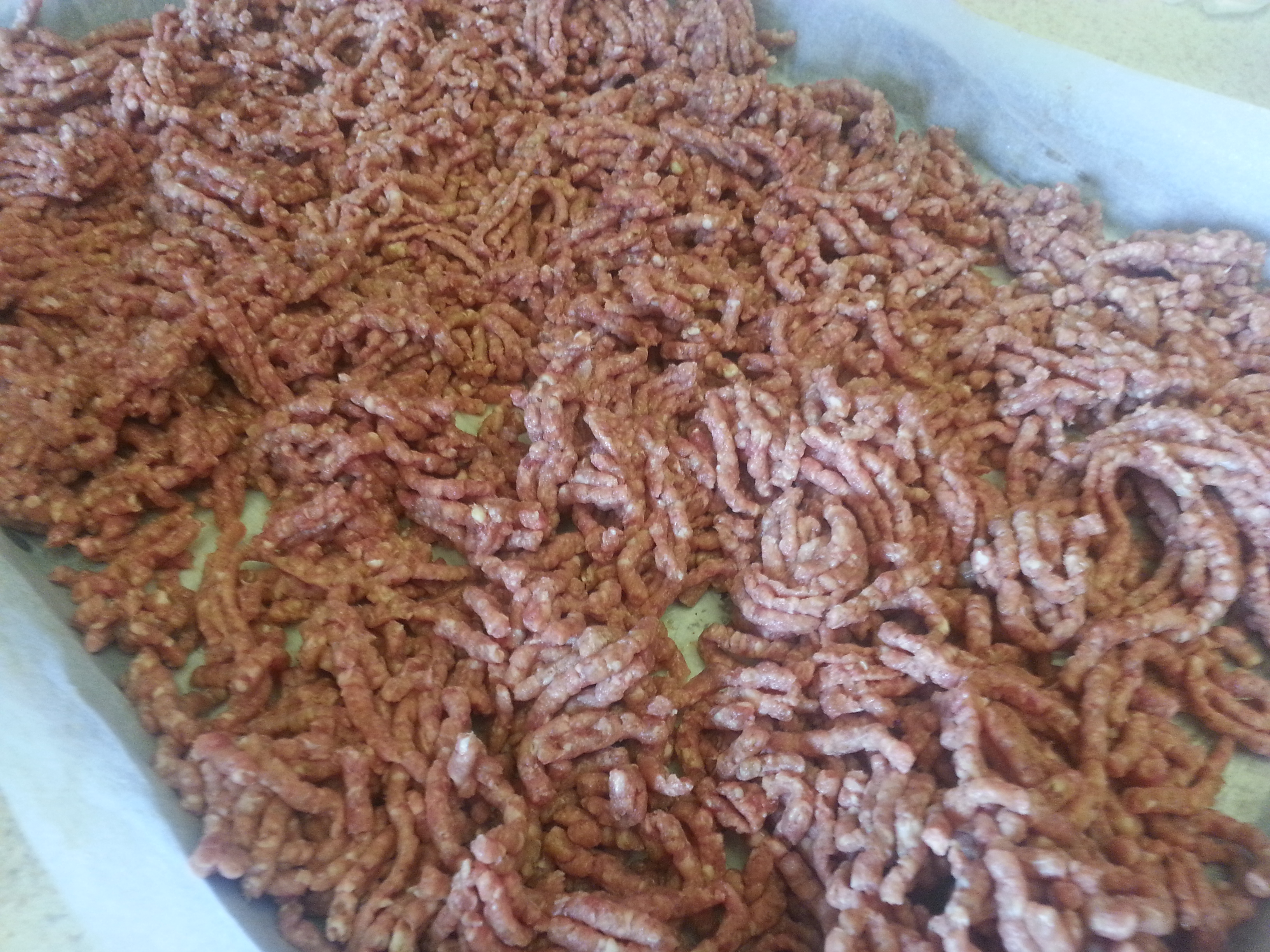
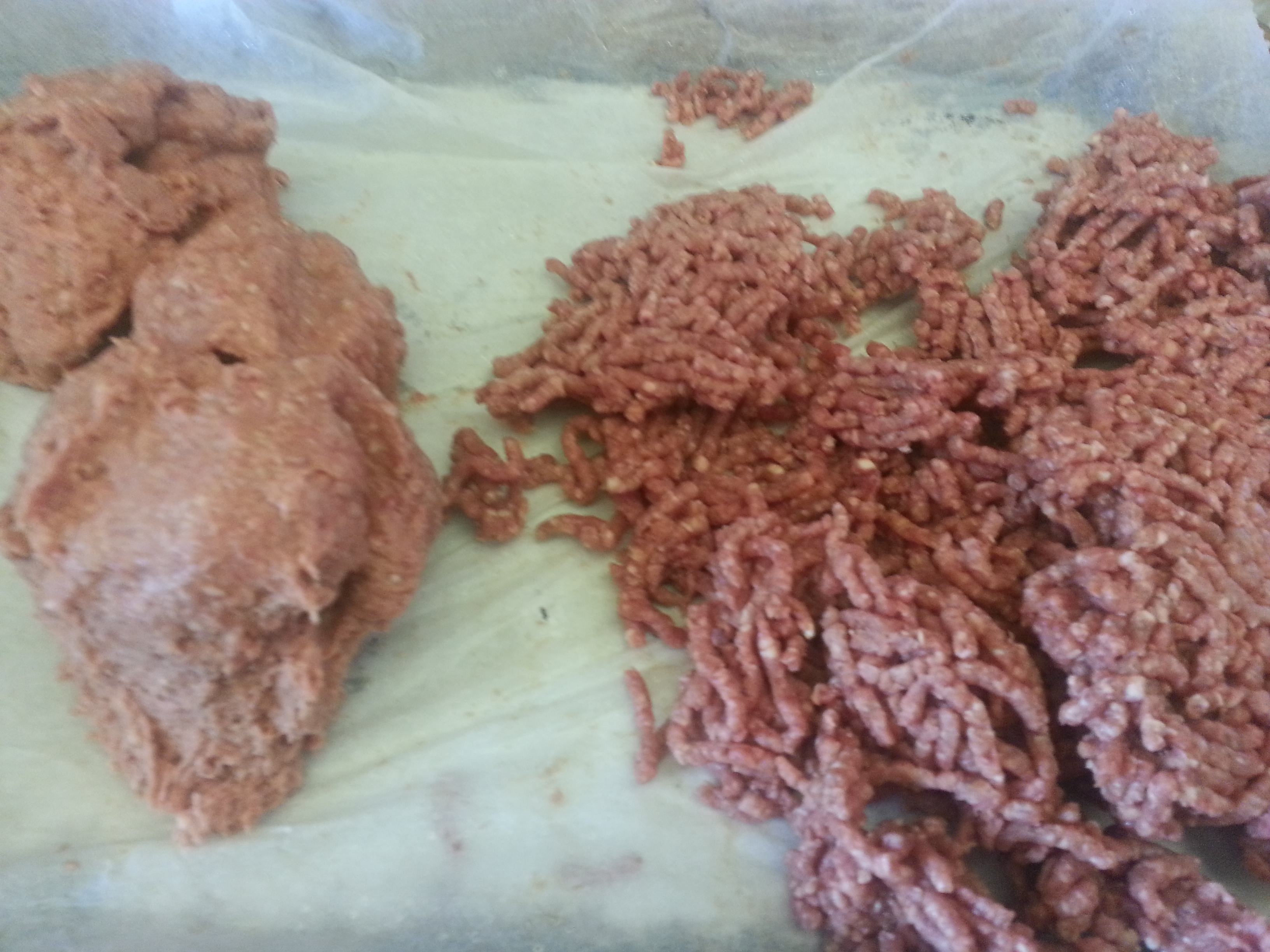
20130713_131252Now it’s time to process the mixture into a uniform paste. The most important part of this step is to not let the meat get too warm. I processed this amount of meat in two batches; use brief pulses until a smooth consistency is reached.
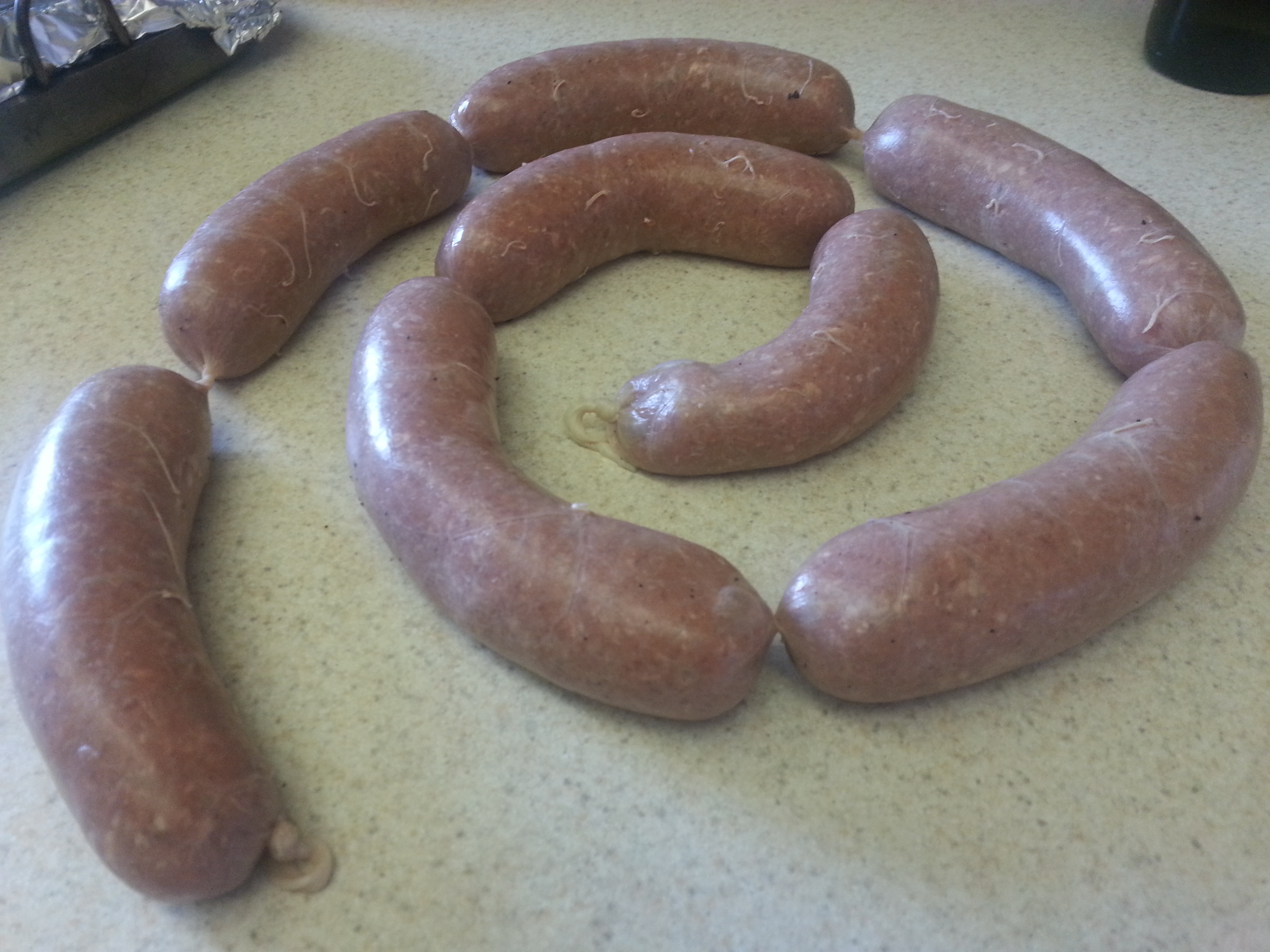
20130713_134903Find the opening at the end of the casing and rinse through with cool water. To stuff the sausages, I used the attachment for my mixer with the smallest tube (5/8 in.). Grease the tube with a small amount of oil and shimmy on the casing. Tie off the end and have a sterilized pin nearby to prick out any air bubbles or pockets that form during stuffing. For a detailed, photographic tutorial of sausage stuffing, see my earlier post on how to make boerewors.

Feed the hot dog mixture slowly into the casings, taking care not to overstuff. Go slowly enough to ensure even thickness throughout. Once you’ve filled the casing, go back and smooth out the rope of sausage, check for evenness, and twist into 6 in. links. How many links you get will depend on the diameter of the casing and the thickness of the sausage. Prick the casings all over with the pin.
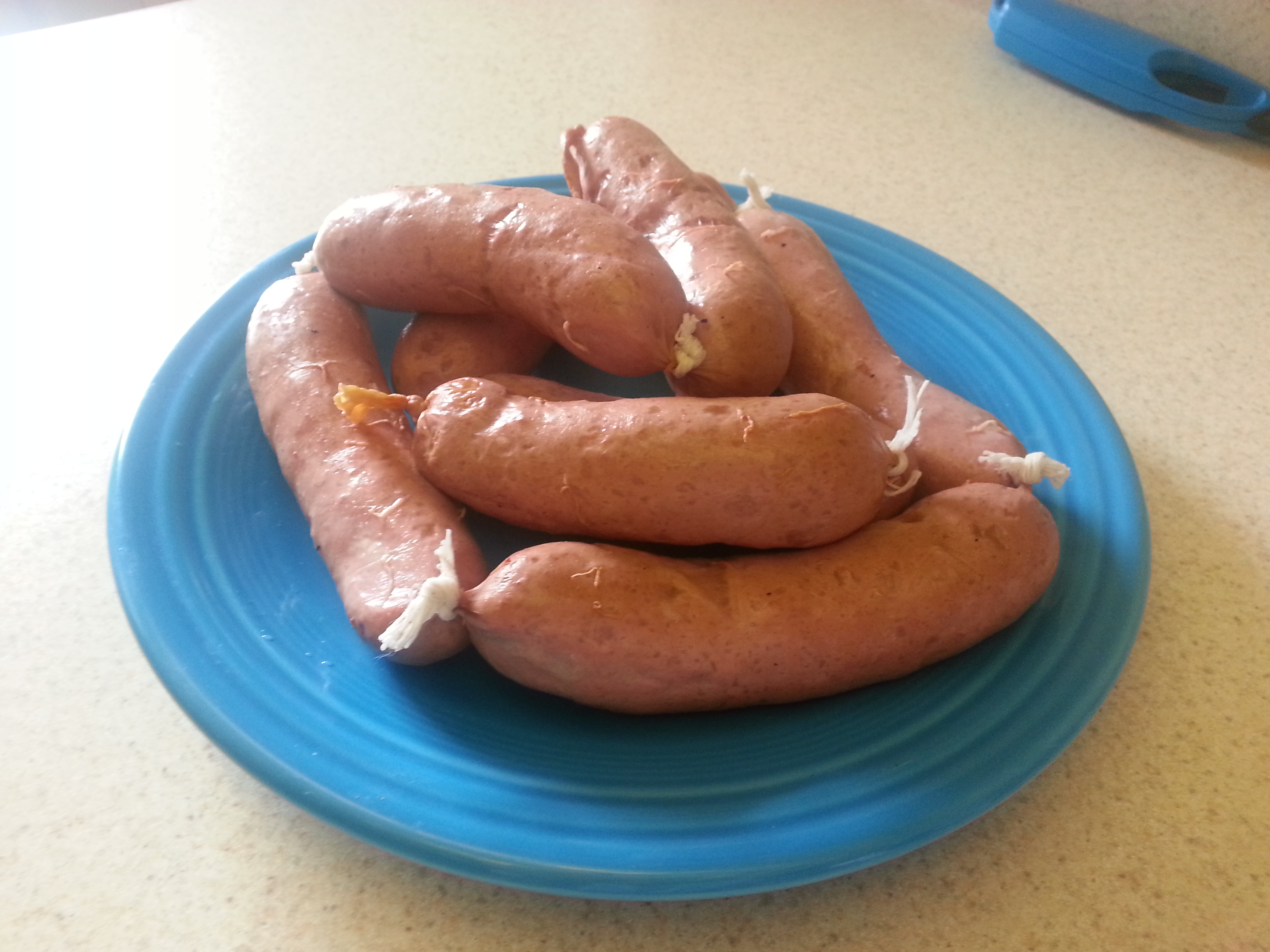
20130713_143353Let’s get smooooooookin’! I used applewood chips in my stovetop smoker and hot smoked the hot dogs until they reached an internal temperature of 150 degrees. While the hot dogs are smoking, prepare an ice bath large enough to chill the whole batch. Once they have reached 150 degrees, move the hot dogs directly to the ice bath and chill completely. This step helps finalize that characteristic hot dog texture on the inside and gives the casing that nice *snap* when you bite into it.

I store hot dogs in vacuum sealed bags, but well-wrapped in wax paper they will last in the refrigerator for about a week. They also freeze well, but thaw completely before broiling, simmering, or grilling.
20130714_083339Joe and I are purists when it comes to hot dogs. We usually forgo the buns altogether and eat these with a few squirts of good old Heinz ketchup. Every once in a while though, I go full ballpark: Steamed bun, finely diced blanched onion, pickle relish, and mustard. Yum.

Oh, and fellow DC / NoVA residents…want a half-smoke? Simply replace half of the short rib meat with diced pork shoulder and amp up the spices with some chili powder, cayenne pepper, and hot paprika. You’ll feel like you’re on U Street or at Nationals Park in no time.

Be the genius at your Labor Day picnic when you say, “I’ll bring the hot dogs!” When friends get a taste of that perfectly emulsified sausage full of rich short rib meat, spices, and smoky flavor, they won’t be able to resist having one…or three. Plus, your well-fed guests receive a heap of protein and iron, making you a culinary hero all around.

Ciao for now,

Neen
Stop for Science: Soft Pretzel Time!

8 Aug

On our way back from Prague last summer, Joe and I had a layover in the Frankfurt airport. It wasn’t very long, and knew we’d have to board pretty quickly after going through customs. As we stood in the lengthy line to board the plane, a smell caught my nose.

There are a few foods that I can sniff out like a bloodhound. One of them is quite possibly the only food I won’t pass up (if it’s fresh!): Soft pretzels. Yes, we all know by now that the carbo-queen loves her bread, but pretzels are special. Their taut, thin outer crust, mahogany brown color, coarse bits of salt, slight malty flavor, and soft pillow-y middle make them a special kind of snack. And of course, warm ones are best. Just about every pretzel I ate while we toured Berlin (and it was probably a two digit number) met these criteria. All that had to happen was for me to see a sign that read ‘laugenbrezel’ and Joe nearly lost me on the street as I followed my moth-like trance toward pretzel glory.

So when I saw a lone man in a kiosk flipping ropes of dough, my eyes widened and Joe got a worried look on his face. Inwardly whimpering that I might never have such delicious and perfect pretzels again…well…

“I’ll be right back.”

The line was maybe 3 or 4 people long, and unlike American mall pretzel vendors there is only one “flavor” to choose. It moved swiftly, but I could see Joe worriedly moving toward the front of the boarding queue. Three hot soft pretzels in a paper bag later, I sprinted through the airport a la the family from “Home Alone,” and onto the plane for the final leg of our trip home.

But as delicious foods are, they were gone all too soon. Needless to say, I declined dinner on the flight.

Every time since that I found myself in a bakery, my eyes scanned longingly for that characteristic shape. I won’t say that I got snobby about it, but I was honestly disappointed most times that I found them around here. Either they were simply bread rolled into a pretzel shape, or heavily glazed in butter, or had a funny aftertaste, or were sadly stale and dry. Even most street vendors transitioned to using the pre-frozen variety…which just never live up to how nice they look.

So, it was time to bake. First, I had to learn what made pretzels different from other breads. It turns out that one simple step makes all the difference. And it might scare you. A little bit.

Lye. Yes, drain cleaning, soap-making lye. Before you wonder, yes a food-grade version is available, and no you should not use that bottle of drain cleaner from the hardware store. Lye (sodium hydroxide for the scientifically inclined) is an alkali solution that changes the pH of the dough in such a way that it helps the crust gelatinize, achieve the dark color, and even makes the salt stick. It’s also responsible for the distinct pretzel flavor and texture of the crust.

Many home pretzel bakers forgo using lye because it requires some extra precaution due to its caustic nature. Instead, they use a solution of water and baking soda. It produces a similar result, but not the same flavor. And unfortunately, after they cool, the pretzels develop a weird metallic taste. I can’t (or shouldn’t) eat an entire batch of pretzels while they’re still warm, so I’d rather be able to keep them around longer and get that authentic flavor. One that will remind me forever of beautiful days walking around Berlin with the love of my life. What could be better?

Bavarian-style Soft Pretzels

  • 1 tbsp. active dry yeast
  • 4 1/4 cups bread flour
  • 1 and 1/4 cups warm water, divided
  • 2 tsp. sugar 2 tsp. salt
  • 2 ½ tbsp. unsalted butter
  • 1 oz. food-grade lye
  • Coarse sea salt or pretzel salt
  • Plastic gloves, safety goggles, vinegar, and nonreactive pans and utensils.

Proof the yeast by dissolving it in ¼ cup warm water, along with 2 tsp. sugar. Let the mixture sit until foamy, about 5 minutes.

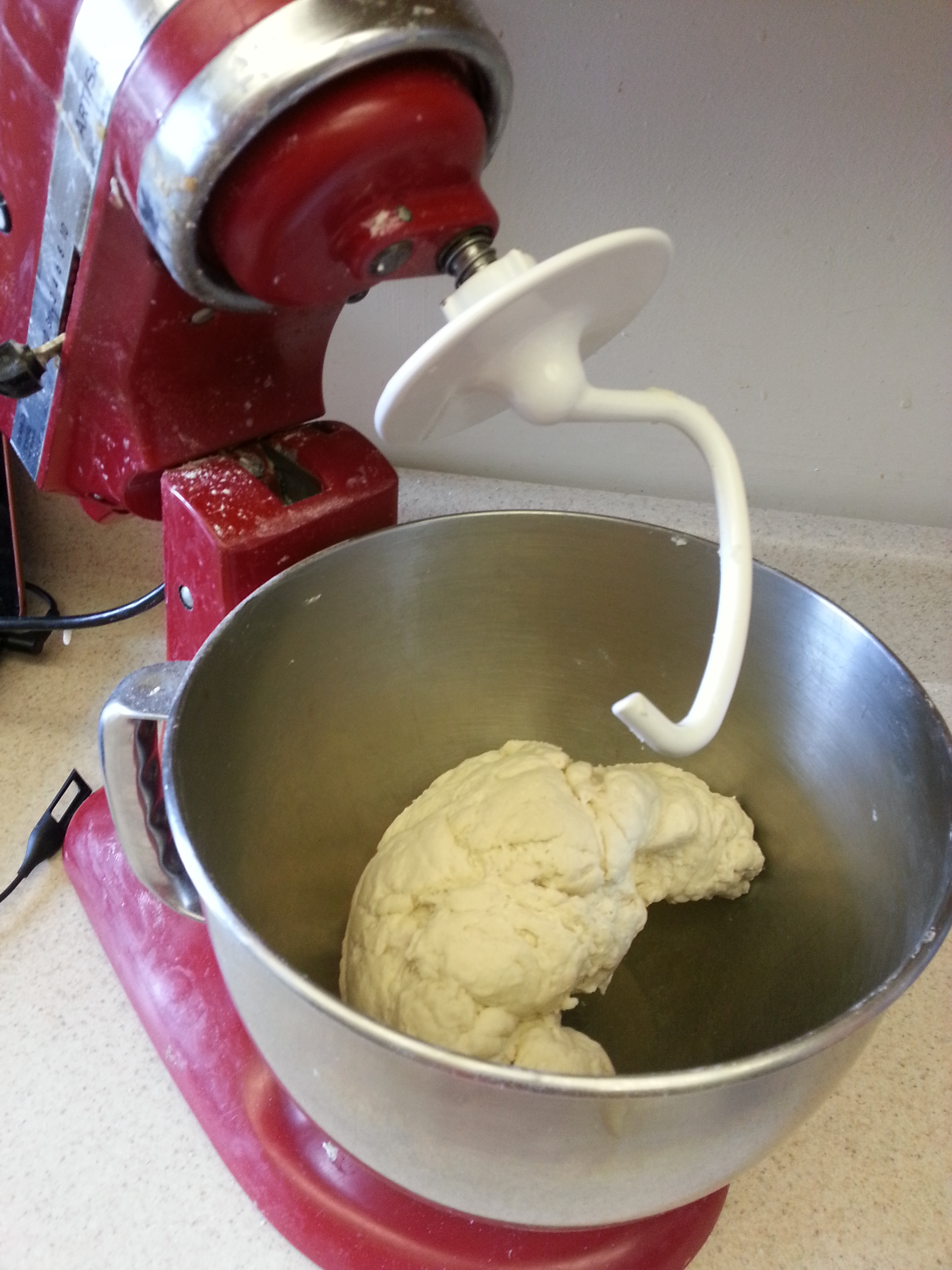
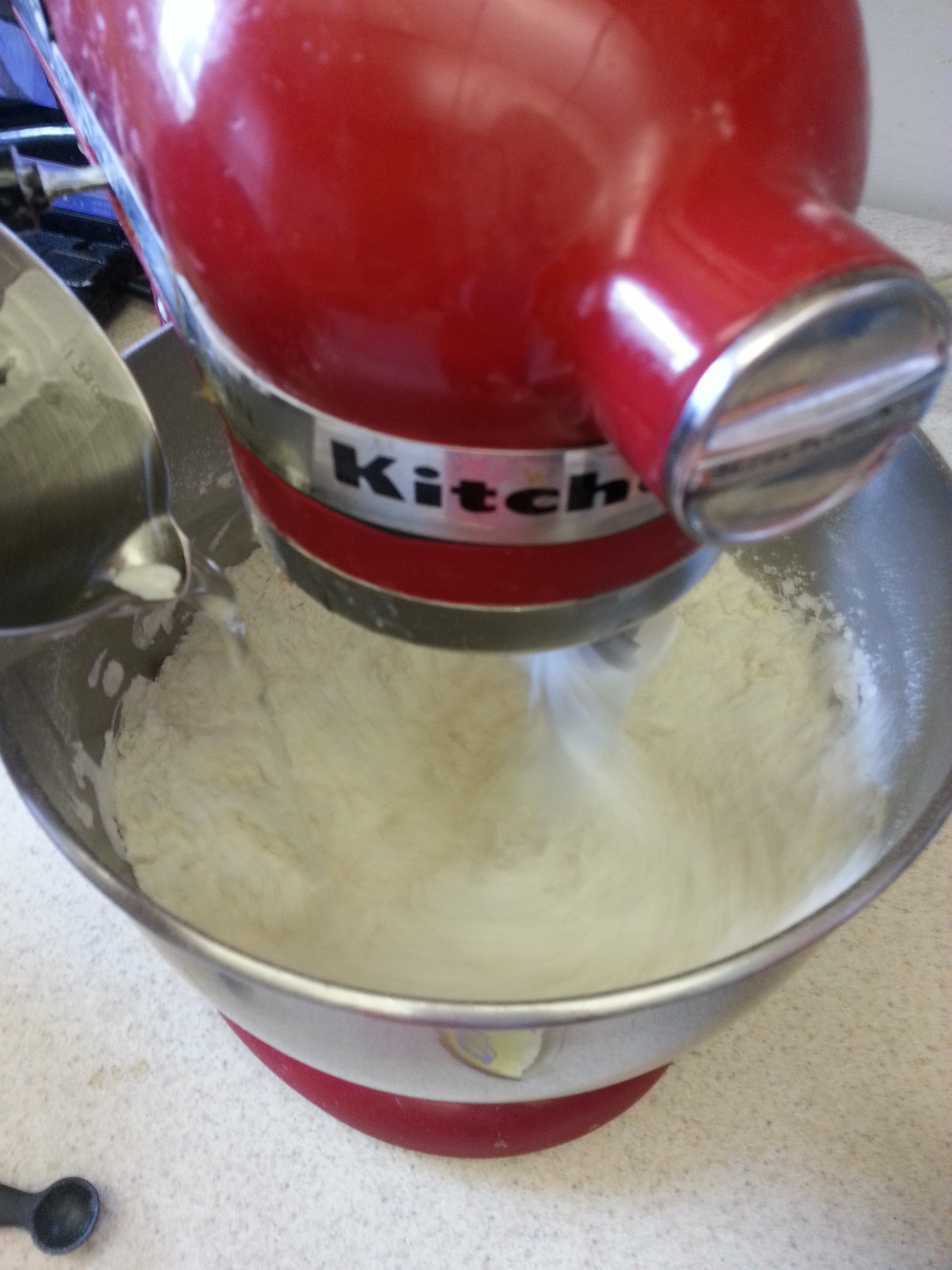
In the bowl of a stand mixer, combine the bread flour and salt, then add the yeast mixture and full cup of warm water. Once the dough comes together, knead it for 5 minutes with the dough hook or by hand. The dough will be very stiff.

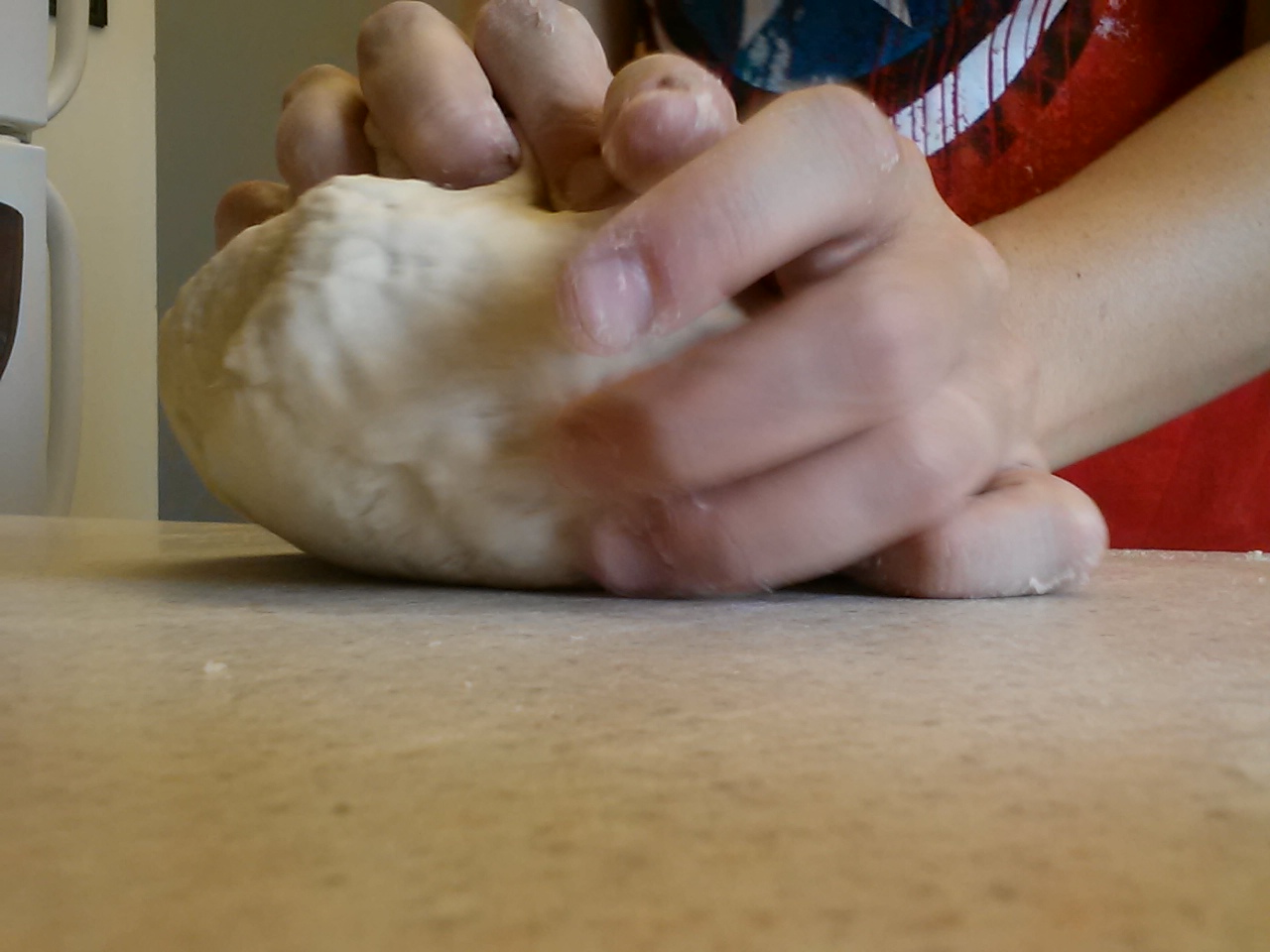
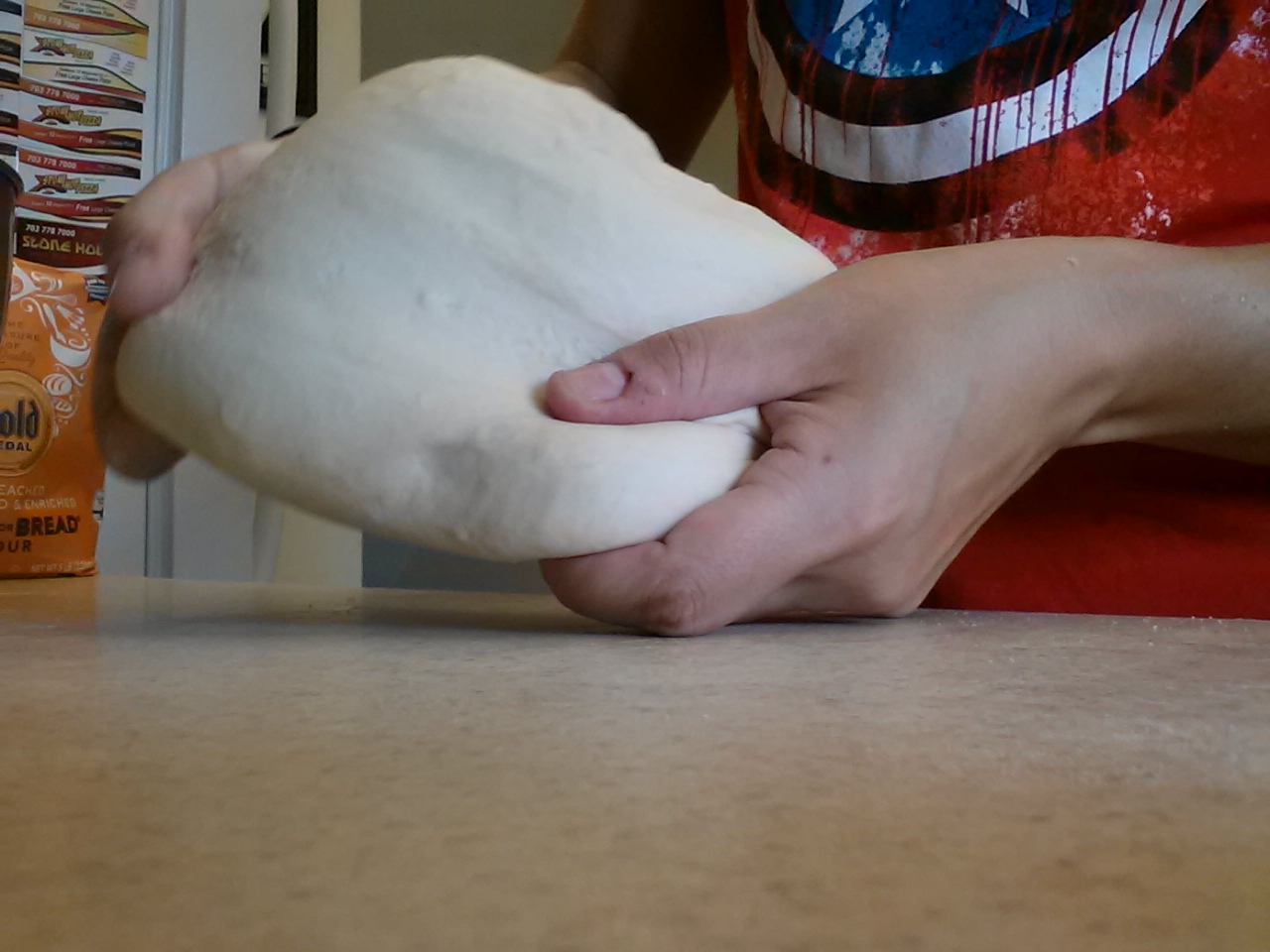
20130807_10562820130807_105856Allow it to rest for 5 minutes, and then start kneading in the butter. Knead for 5 minutes, or until the butter is completely incorporated and the dough is very smooth and elastic.

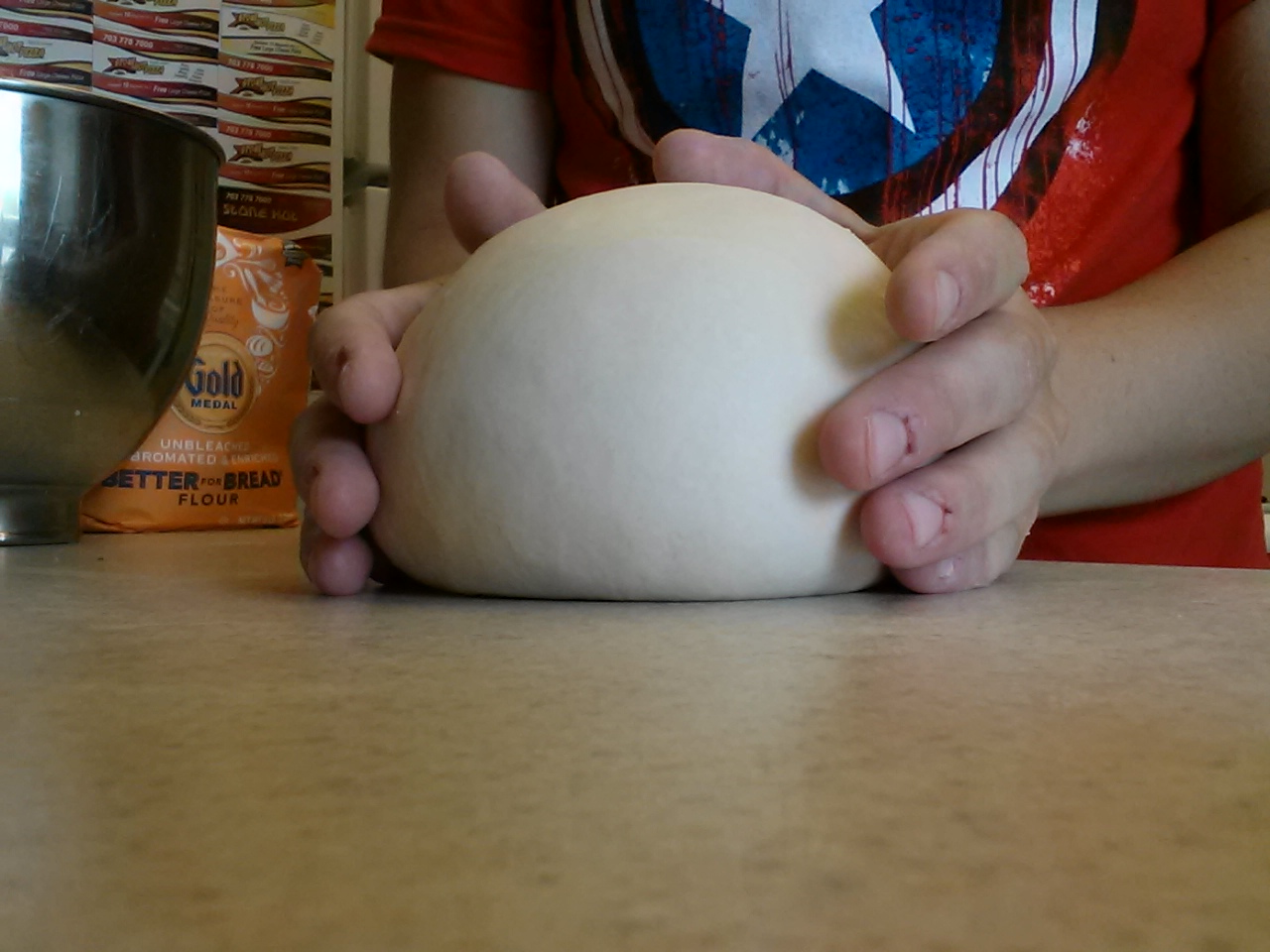
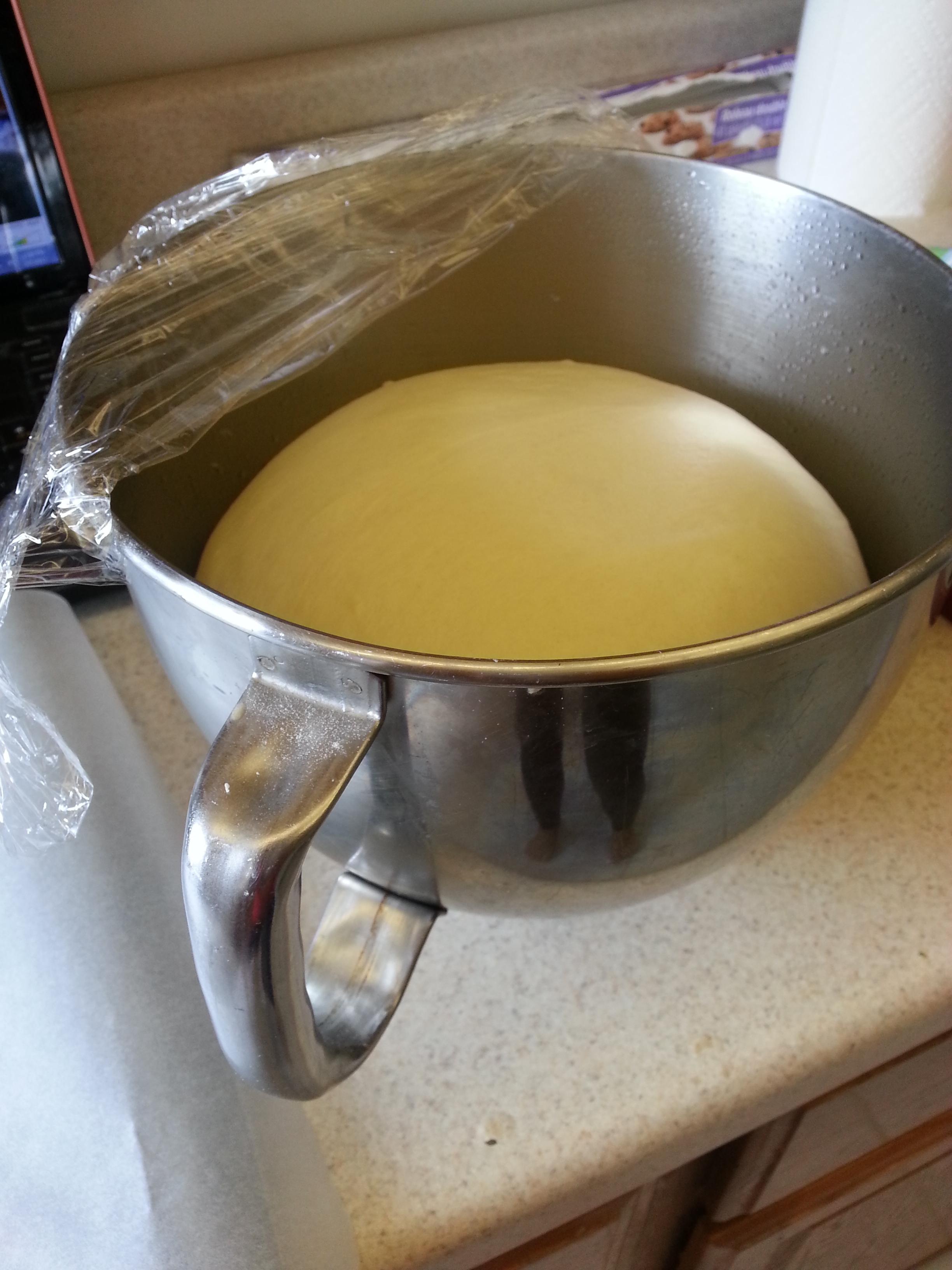
20130807_11012420130807_11111420130807_111211Roll the dough into a ball and place it in a lightly greased bowl. Toss to coat the dough ball in oil, and then cover the bowl and allow the dough to rise for an hour, or until doubled in side. Degas and divide the dough into approximately eighteen 2 oz. pieces.

20130807_121042

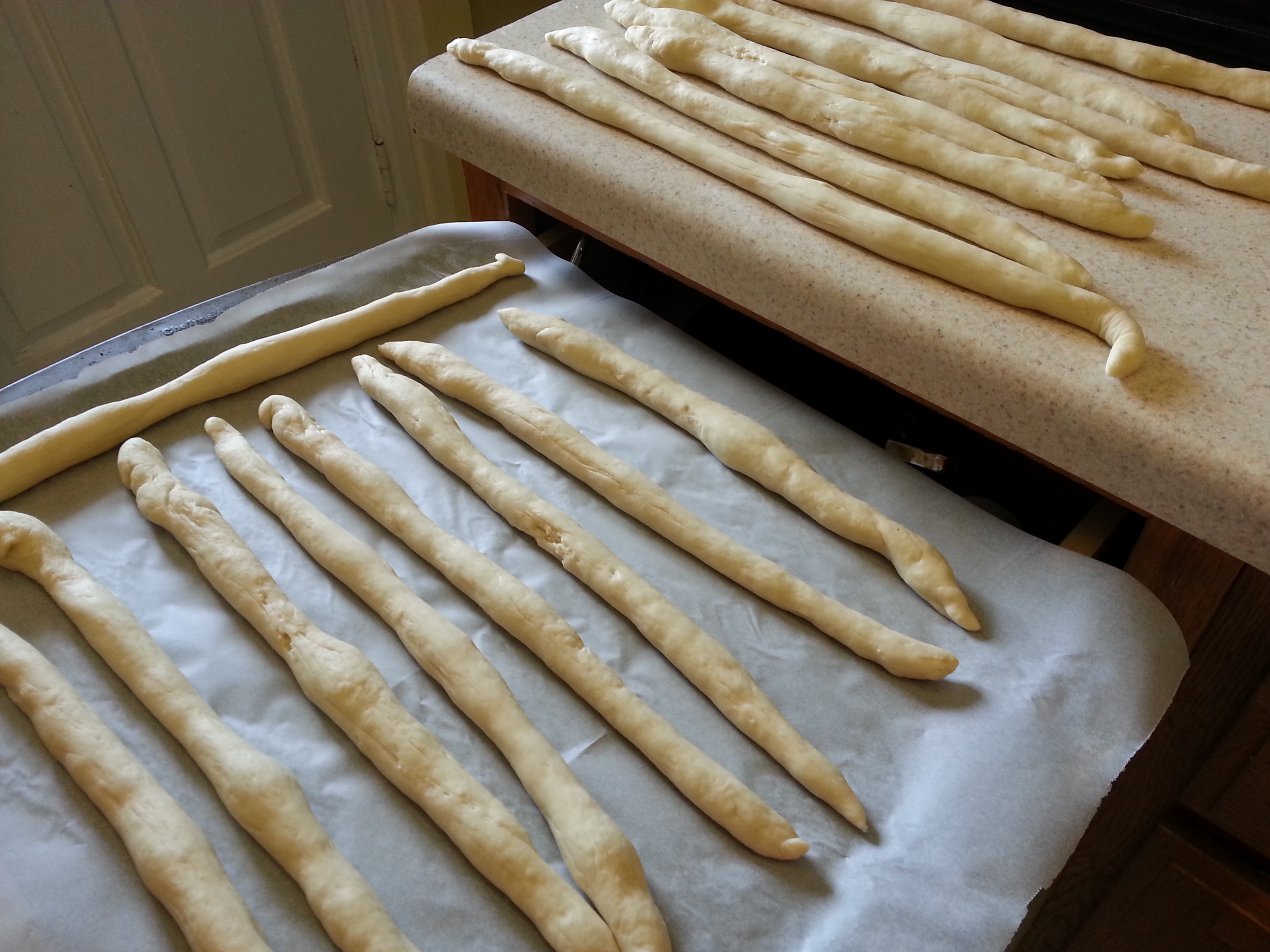
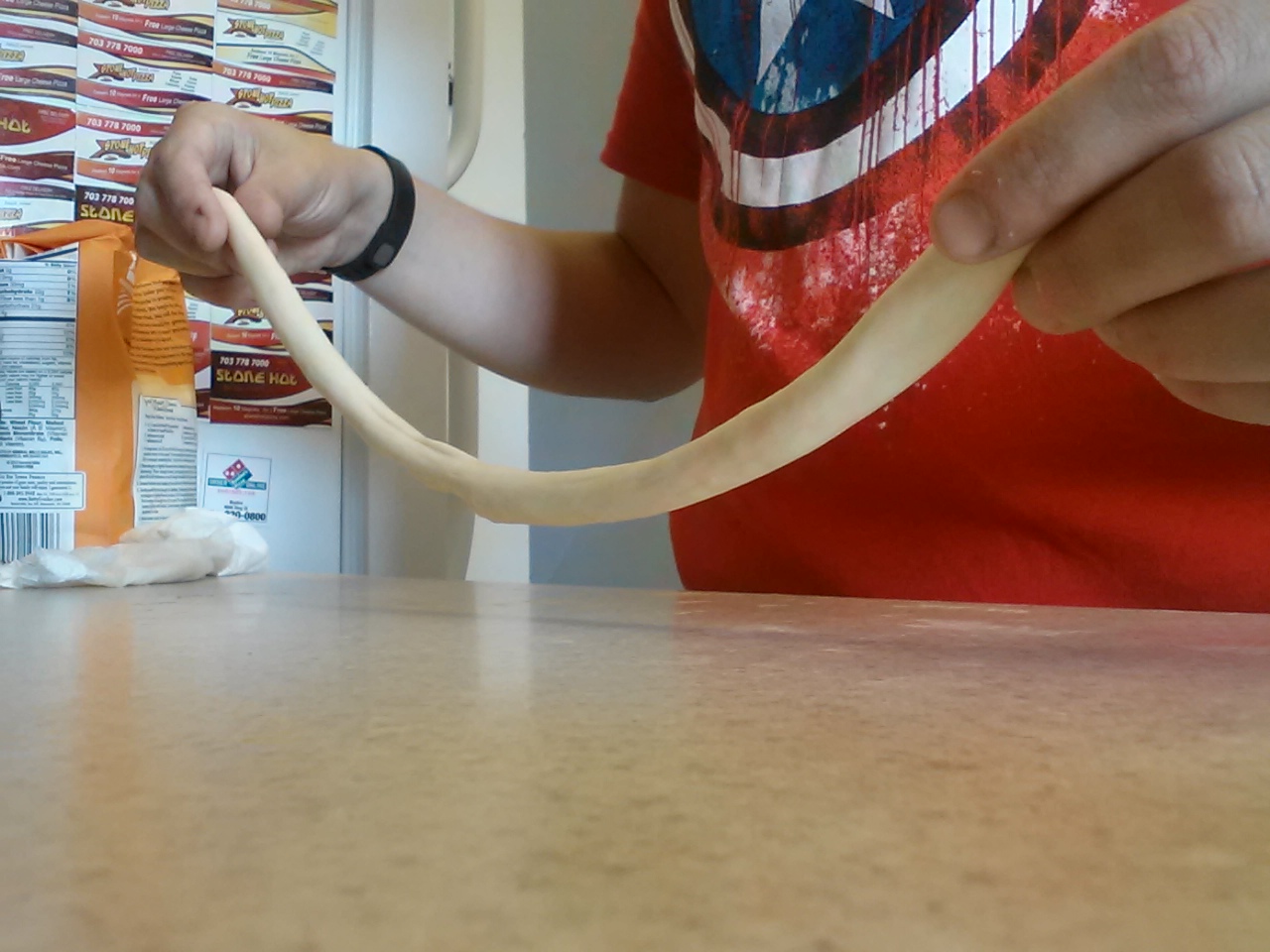
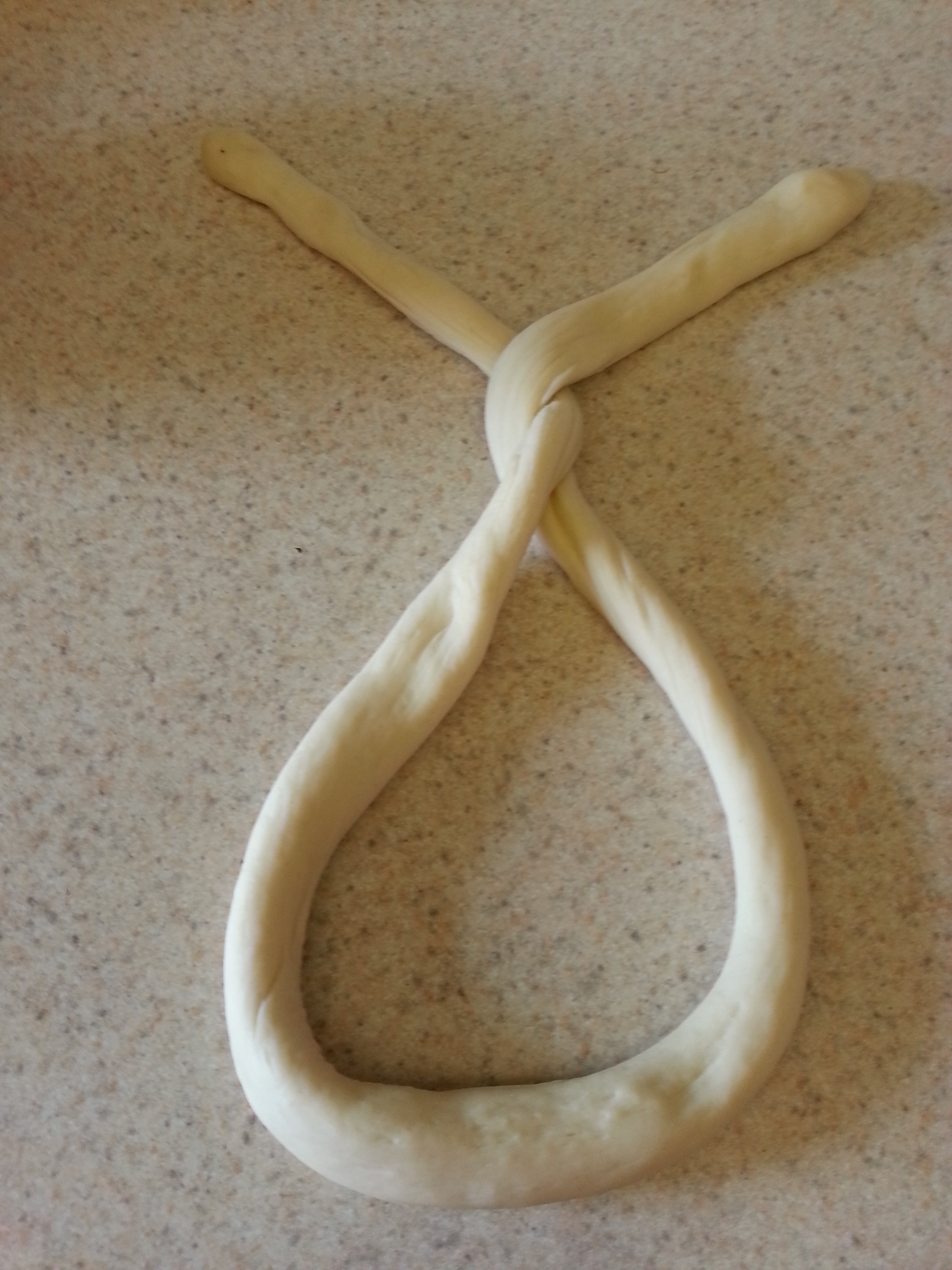
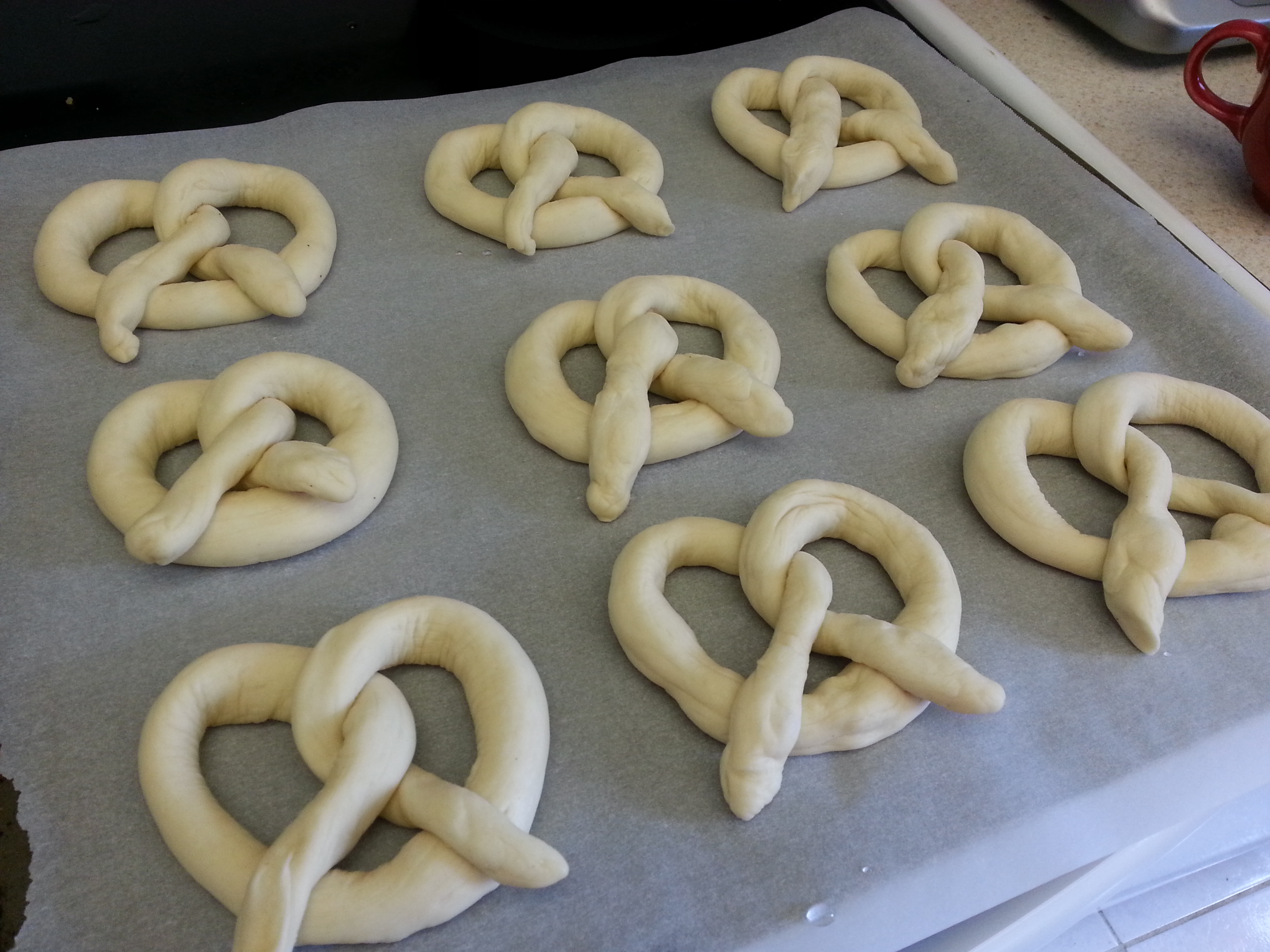
Roll each piece into a foot long rope. Rest for 2-3 minutes and then shape the pretzels. Take a rope of dough, roll it out another 6 inches and then twist into a pretzel shape. Glue the “arms” down with a dab of water.

20130807_12222220130807_12255220130807_12340720130807_122659Set the pretzels on two baking sheets lined with parchment paper and refrigerate for one hour. The surface will dry out and a skin will form on top: this is a good thing!

20130807_123046Put on plastic gloves and safety goggles. I wear a surgical mask too, but mostly because I’m short and my face is very close to the pot.

20130807_115440Wipe the surface of your work table with some white vinegar, and keep a small glass of the vinegar nearby. It’s unlikely that there will be any bad reaction, but if there are vinegar will neutralize the reaction almost instantly.

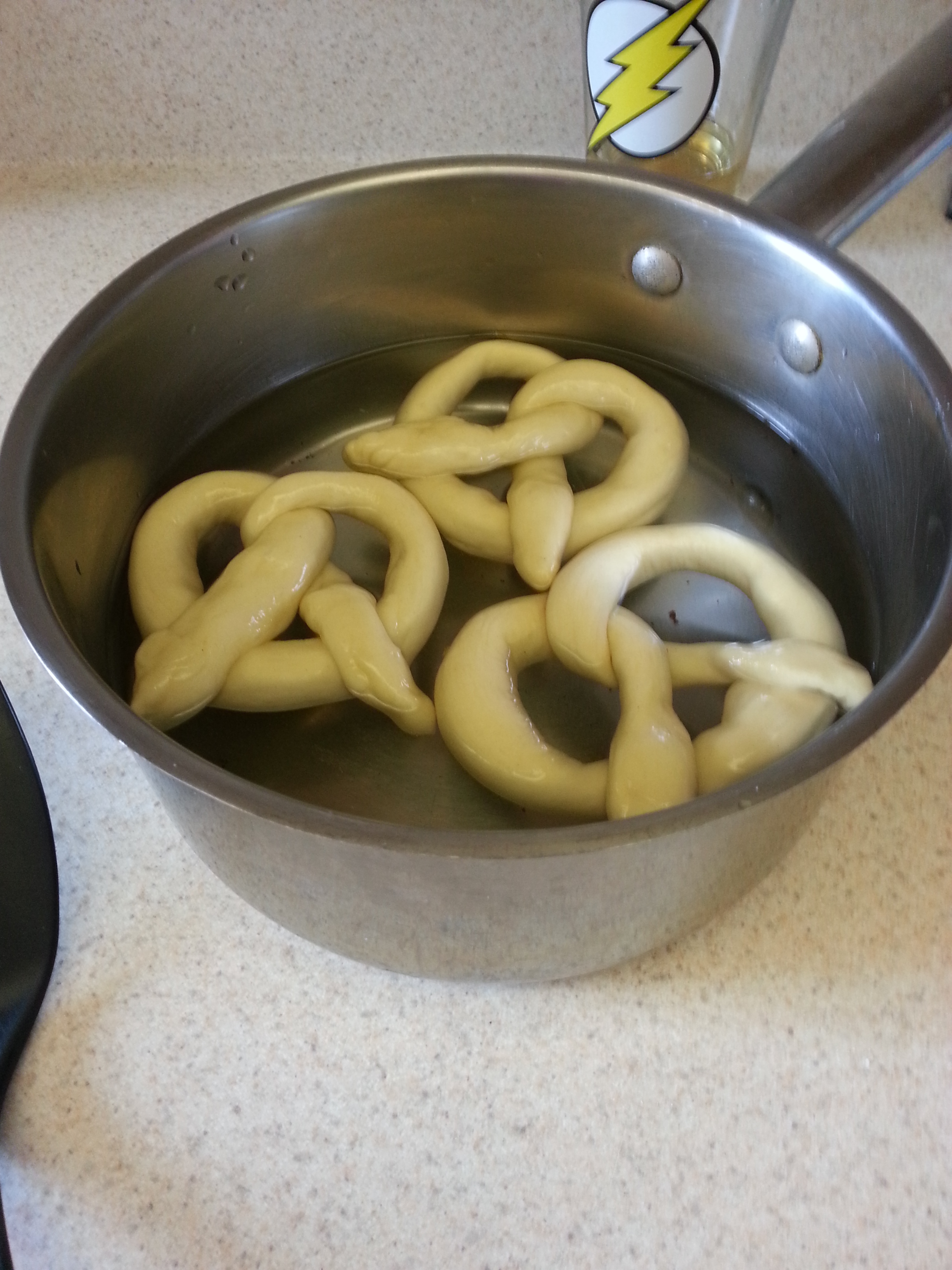
To make the lye solution, measure one quart of cool water into a nonreactive saucepan. Slowly add one ounce of food grade lye and stir gently to dissolve. ALWAYS add the lye to the water and not the water to the lye. Doing it the other way around may cause the lye to react and combust.

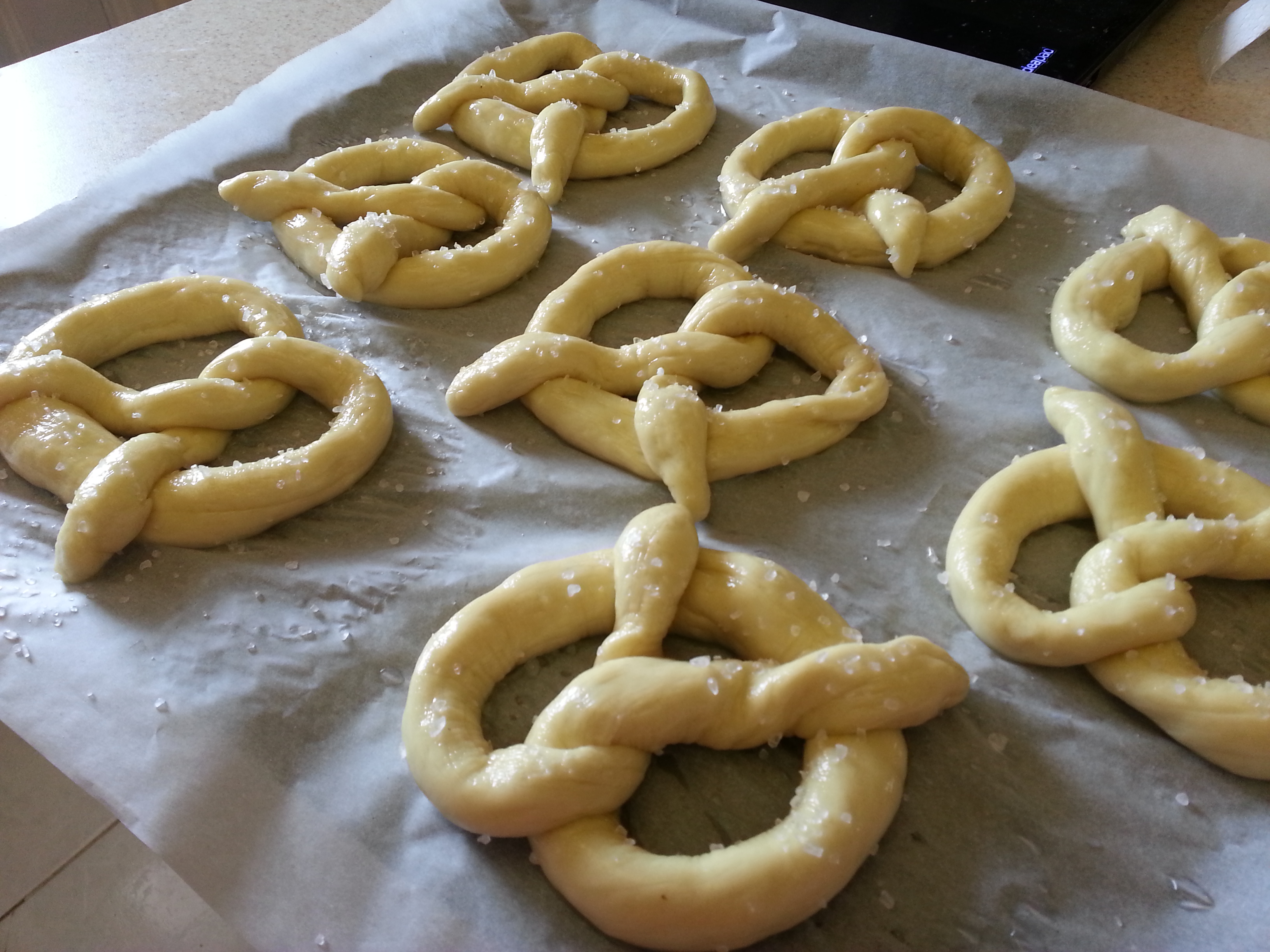
20130807_131512Dip each pretzel in the lye solution for 30 seconds and then place back on the parchment-lined baking sheet using a slotted spoon. Sprinkle the pretzels with coarse salt and then let them rest for 20 minutes. Preheat the oven to 375 degrees F.

20130807_13194720130807_133020Wipe everything that may have come into contact with lye with a vinegar soaked rag and then wash with warm soap and water. This may be overkill, but if you have kids or pets around, better safe than sorry I say.

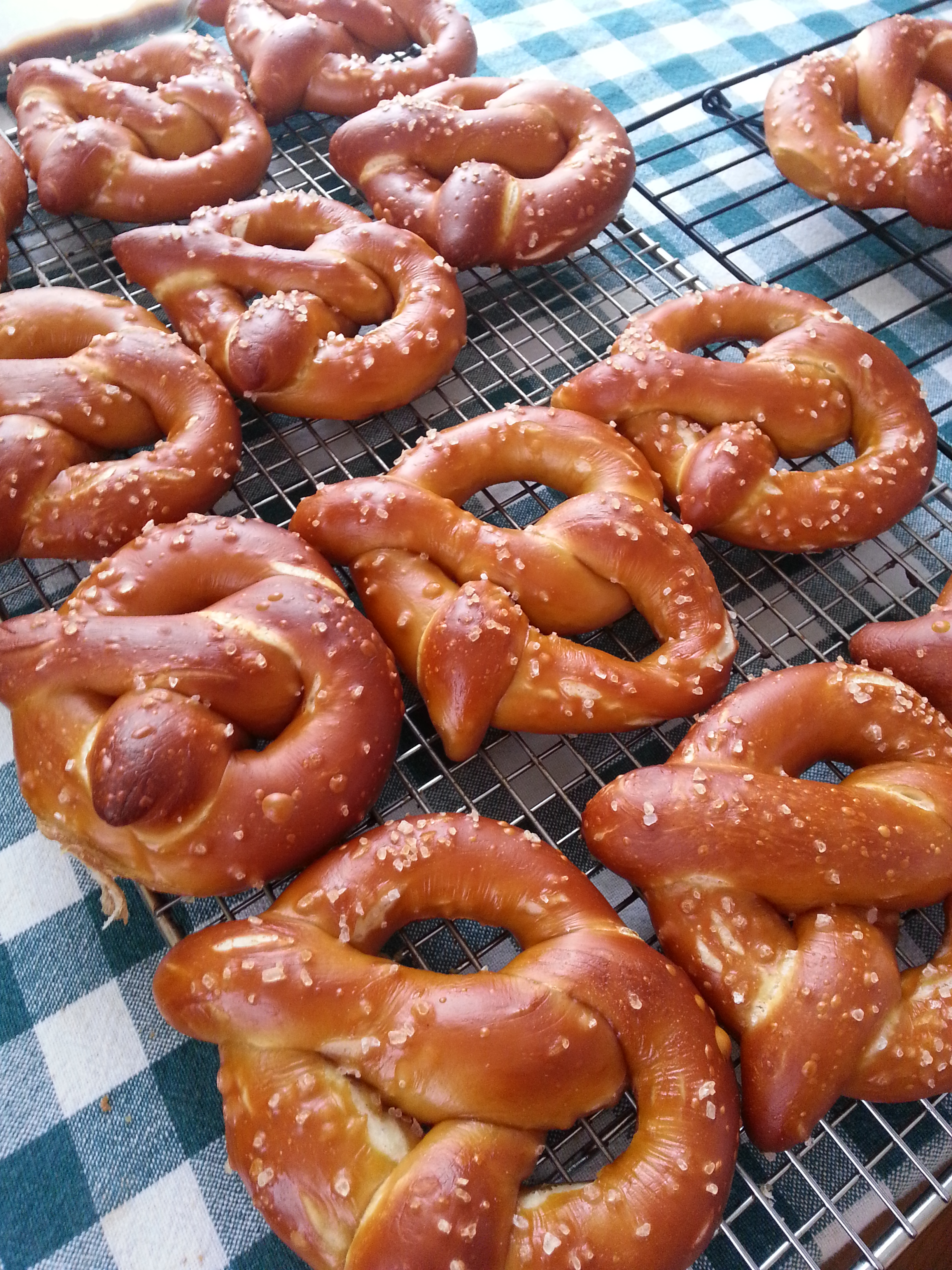
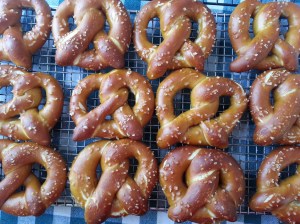
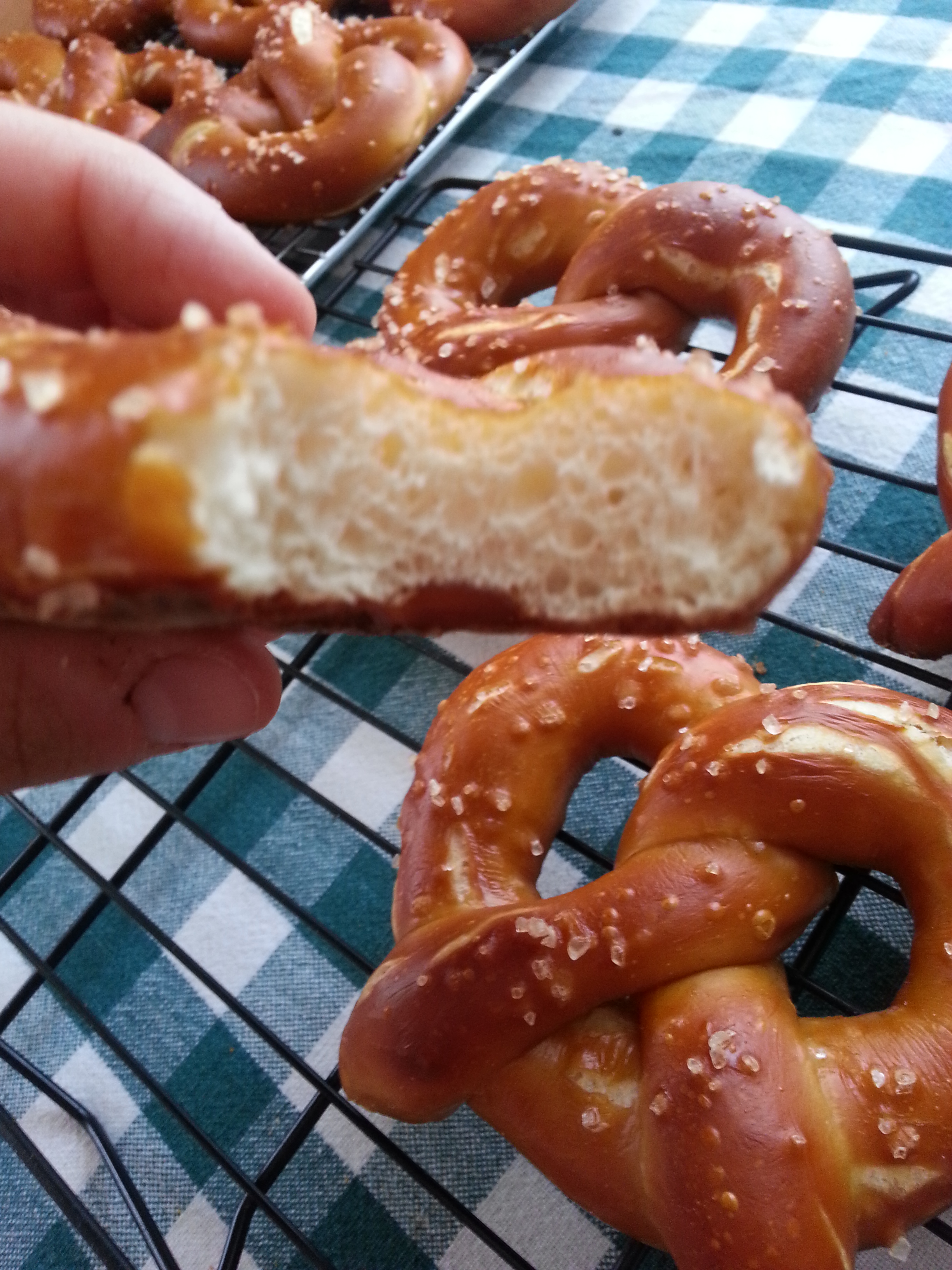
Bake the pretzels for 20-25 minutes or until they are a deep golden-brown. Eat and be happy. Is it worth the hassle? You be the judge:

20130807_14181920130807_14204020130807_142128It is said that an Italian monk invented the pretzel in the 1600s, and that the crossed “arms” across the middle represented folded hands. He supposedly gave this to children who learned their prayers faithfully, but as with much of food lore, there isn’t a whole lot of evidence to back that up. This monk referred to the bread rolls as “pretiola,” which translates to “little rewards.”

I’d say that’s about right. This batch went off to the Arlington County Fair to be entered in this year’s baking competition. I certainly hope the judges find them rewarding.

Ciao for now,

Neen

The Richest Rags

3 Aug

When I think of my gram, I think of one of my earliest loves: The ocean. My grandparents retired and moved to Florida the year that I was born, and so we most often saw them on our vacations to their home in Melbourne. Holding grandma’s hand on one of those earliest trips, I thought the surf crashing onto the sand was the most majestic thing I’d ever seen.

133And although some of what inspires us in childhood disappears, the awe of the ocean has never left me. It consumes my deepest core and most sacred place with happiness. It is where the divinity I see in the universe manifests itself most fully. It is where I find peace.

I associate the ocean with an unconditional love. If I let it carry me, eventually I rolled back onto the shore. There I came to rest on the wet sand, breathlessly laughing.  For hours on end, I rode the waves, tumbling and diving back in until I was so dizzy I collapsed on my beach towel. Then it was home to Grammy and Papap’s house, where they spoiled us with enormous and delicious meals, and endless hugs.  To my brother and I, going there meant limitless fun: Theme parks, mini-golf, ice cream sundaes, arcades, feeding the ducks, trips to Medieval Times, movies, and even a few vain attempts at fishing.

Today, it doesn’t matter what city I’m in, but whenever I’m at the ocean, Melbourne is where I am. My home away from home. I feel the water and smell the air and am overwhelmed with love.

What a beautiful gift. To have the ocean air be so powerful that it heals my soul with its breath, to have the sand always feel like sturdy ground beneath my tired feet, and to know that the waves will always bring me back to shore.

In the midst of my hurt that she is gone, I feel so thankful for that gift. Because it can never be taken from me, and so I know that she (and my Papap) will always be with me.

600156_10201645087796967_219509992_nVirginia Patella – July 10, 1924 – July 27, 2013

One of the things that my gram made for us on a regular basis was a soup called stracciatella, or, “rag soup.” It was one of my favorite things, and she knew it. Nearly every time I came home from college there was a quart or two of it reserved for me in my parents’ freezer. During a recent winter when I was going through a difficult time, she made me some and my mom went so far as to overnight ship it to me so I could use its healing powers as soon as possible.

Although she omitted the spinach most of the time because my Papap didn’t like it, I re-added it when I started making stracciatella at home. For me, the idea of having the most comforting food in the world become one of the things I ate to keep my iron up made all the sense in the world. Not only did it then bring my soul peace, but it brought my body strength.

Stracciatella Patella

  • 1 gallon chicken broth*
  • 12 oz. fresh or frozen chopped spinach
  • 8 oz. acini de pepe or other pastina
  • 8 oz. ground beef
  • ½ cup parmesan or pecorino romano cheese
  • 3 eggs
  • Salt and pepper to taste
  • Fresh chopped parsley

Bring half of the chicken broth to a boil in a large pot and add the pastina. Cook at a heavy simmer for 10 minutes.

20130801_134435While the pastina is cooking, season the ground beef with salt and pepper and form small spoon-size meatballs. I usually make them no larger than 1/3rd oz. Saute the meatballs until they are browned and set aside.

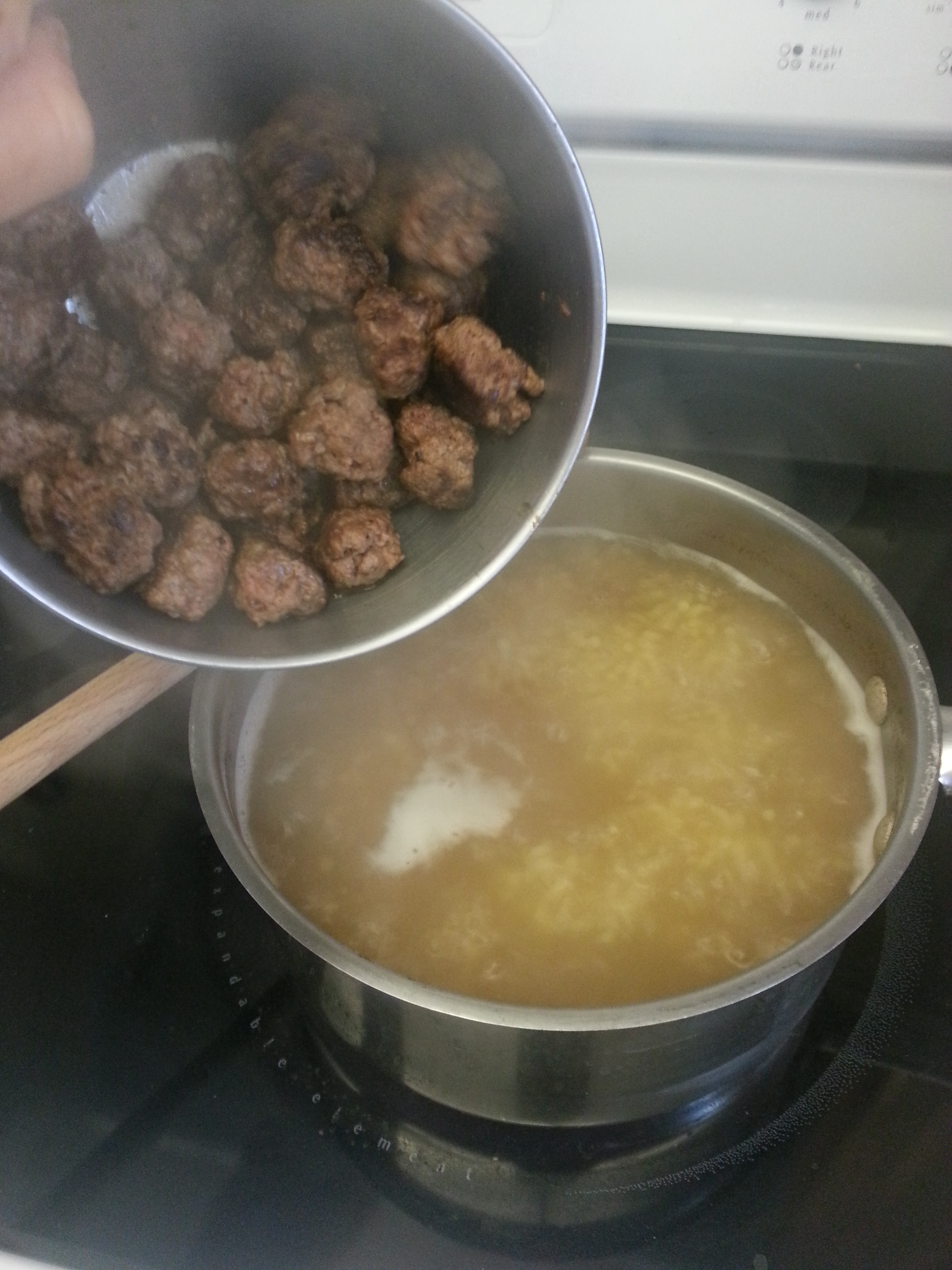
20130801_134448Add the meatballs and seasonings to the soup and cook for another 10 minutes.

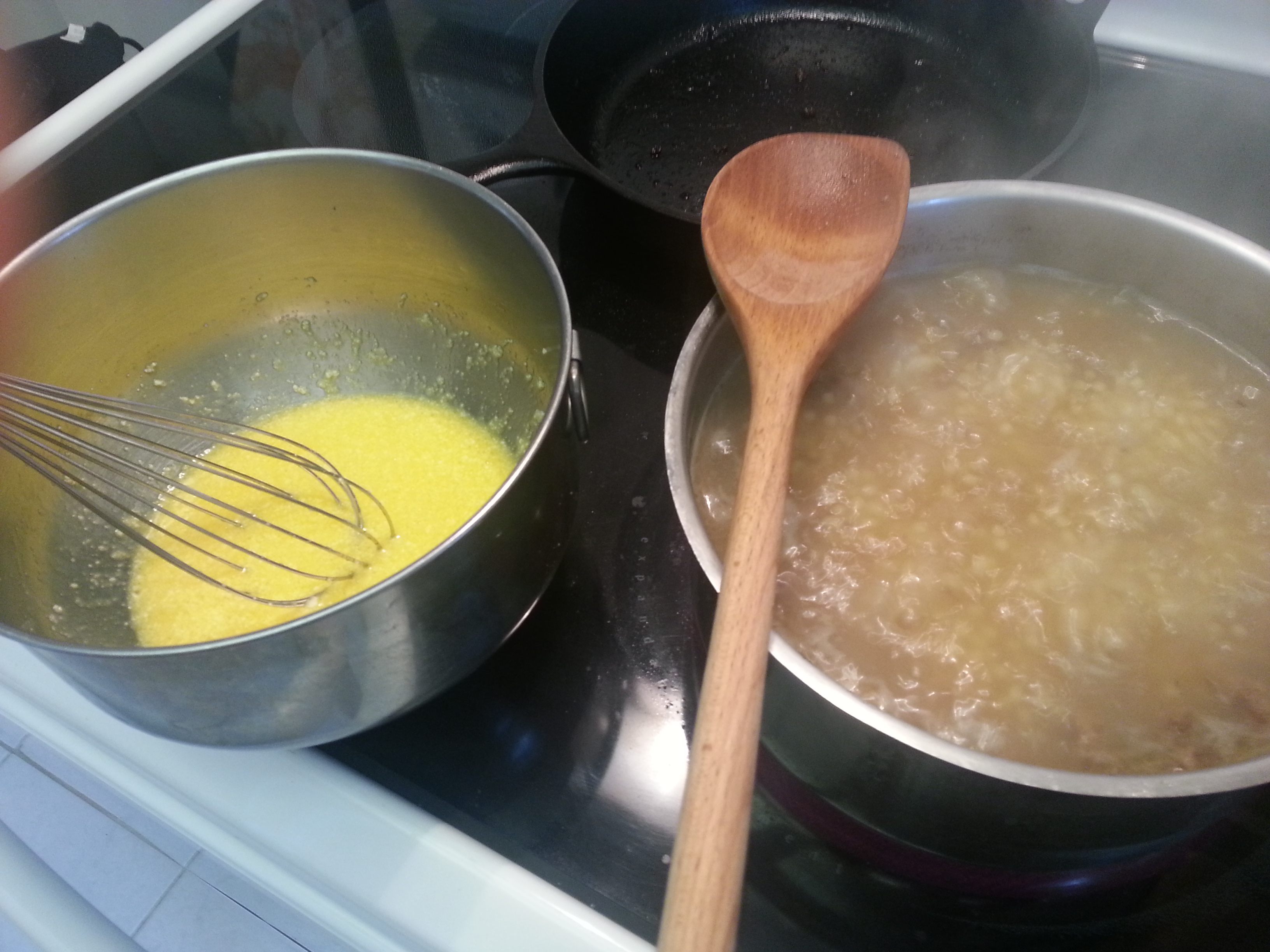
20130801_13544520130801_140002Beat together the eggs and cheese, then pour in a steady stream into the pot of soup while whisking vigorously, and whisk for a minute.

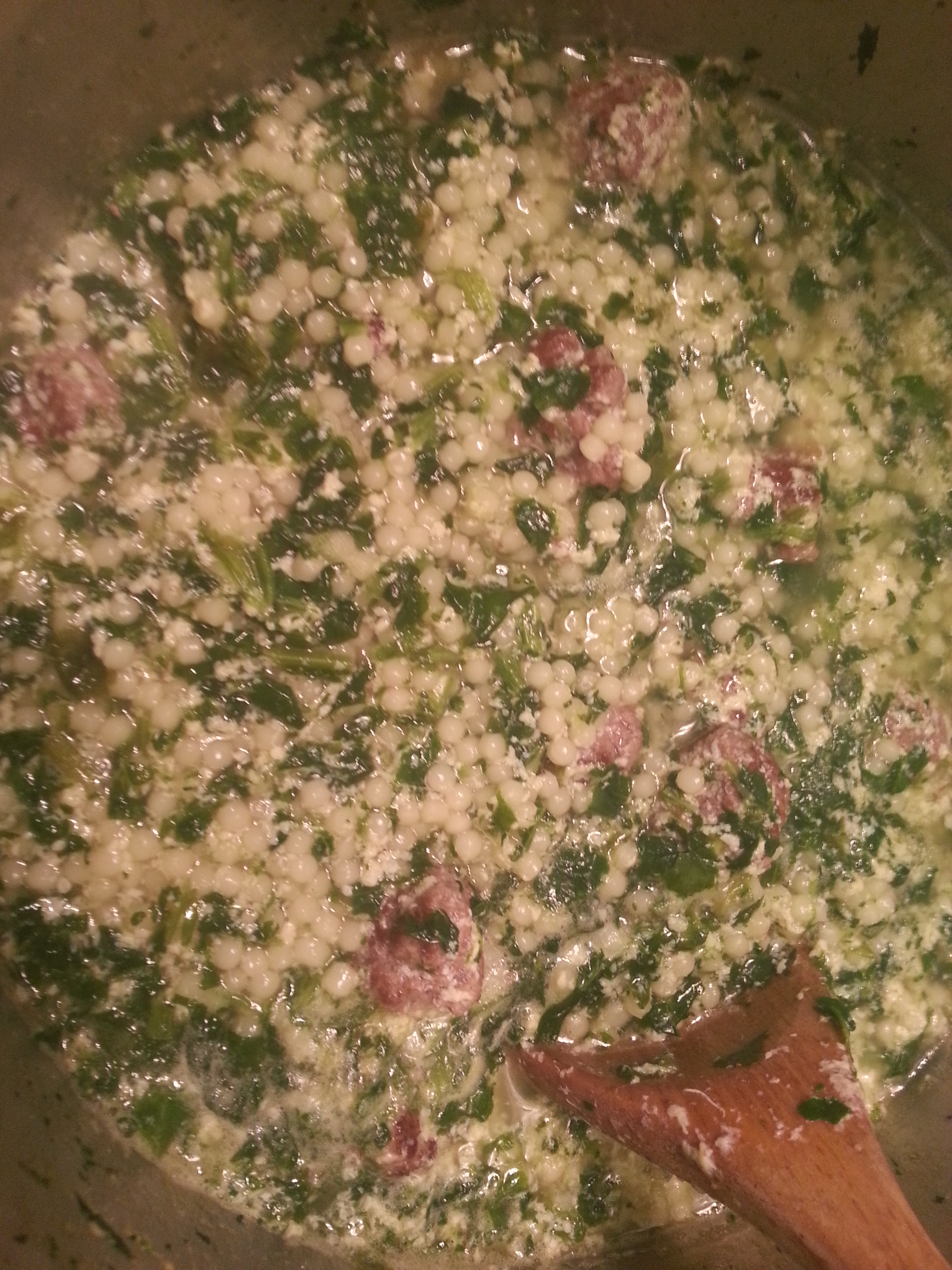
20130801_14023520130801_14044320130801_140447Add the chopped spinach and simmer until everything is hot.

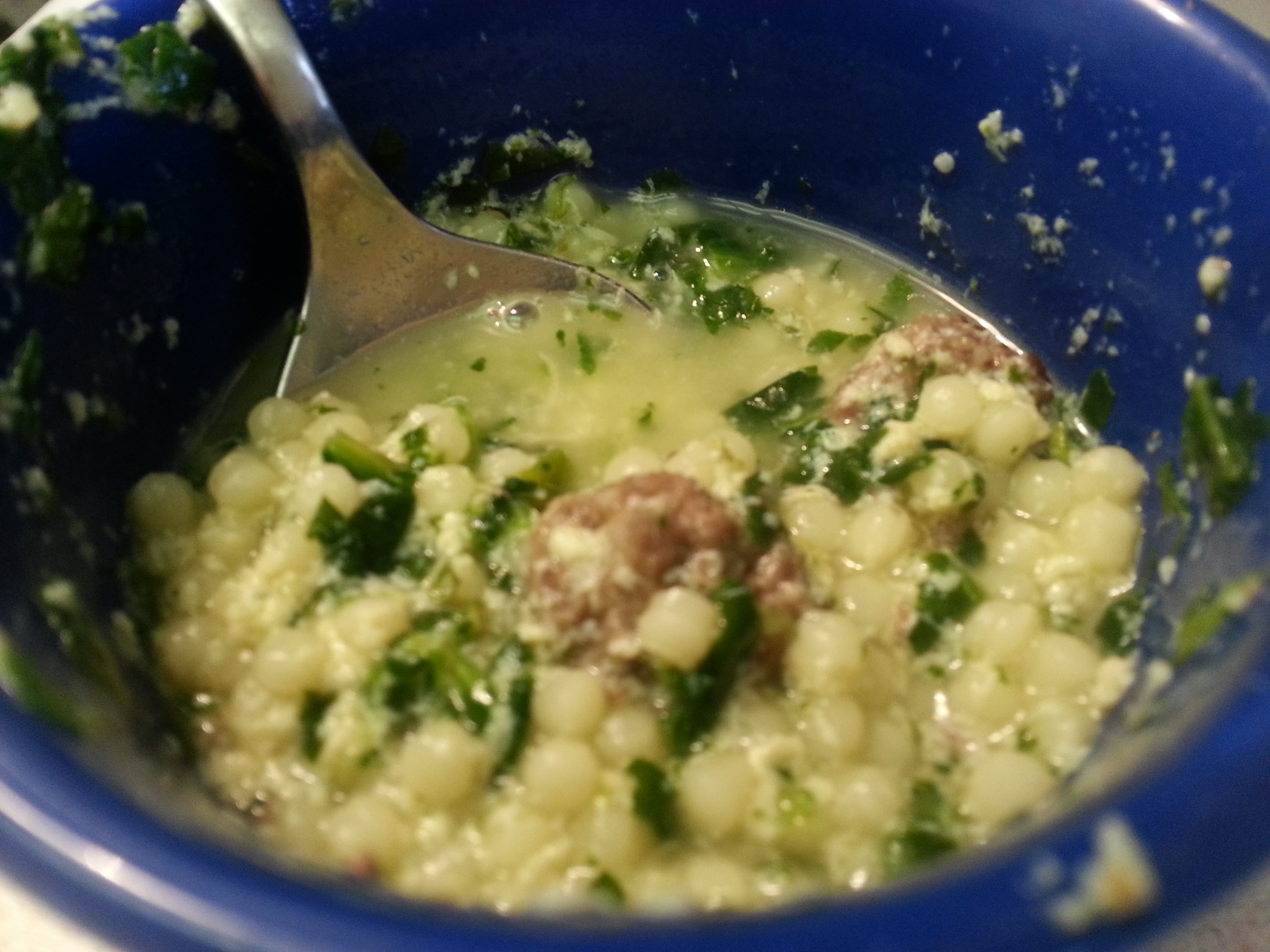
20130801_14211820130801_14214520130801_141844

*The extra broth is used if you refrigerate / freeze and reheat the soup. The pastina will absorb some of the liquid, so each time you reheat a portion, you’ll need to add some broth to make it soupy again.

This soup is the perfect meal: Some vegetables, pasta, rich proteins, and a warm broth. It requires no side dish, freezes like a champ, and can be on the table in a half-hour. For someone like my grandma, who was always working hard, taking care of her three girls, and serving her church and community, it fit like a glove.

Of all the foods I make, this is the recipe that is most transformative. The recipe that can make any day better, any bruise less painful, any hurt feeling less sharp.

This is where I turn when I am floating away and cannot see the land. I make this pot of soup and yes, the tide rolls me back to the shore.

I taste it, and I am home.

IMG_5672

Ciao for now,

Neen